
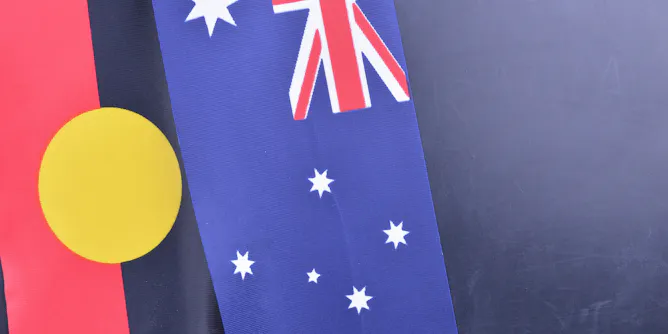
The current choice of date for Australia Day is symbolic of the country we used to be – not the one we hope to become.
Articles on Reconciliation
Displaying 121 - 140 of 148 articles
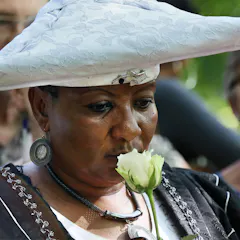
In mid-2015 the German Foreign Office after decades of denial seemingly acceded, in a very informal way, to labelling what had happened in South West Africa as genocide, is now backtracking.

It’s still unclear whether Zimbabwe will manage an effective transition to participatory democracy and freedom. And the current signs are not encouraging.
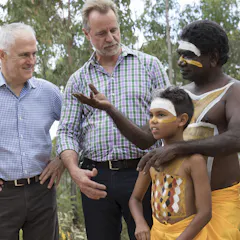
The government has rejected the Referendum Council’s call for a national Indigenous representative assembly to be put into the Constitution.
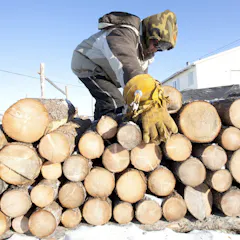
More than 200 remote communities in Canada rely on diesel fuel for energy. Cleaner options could fuel a better quality of life.
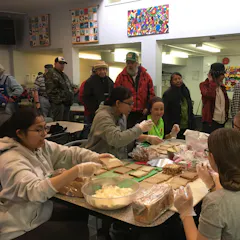
A new government program will create 10,000 work placements for undergraduates in only business and STEM subjects. Why not fund students to innovate in the social sector too?
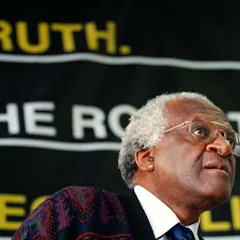
Inquests into atrocities committed under apartheid are important because many South Africans are beginning to question whether justice was done under the country’s truth and reconciliation process.
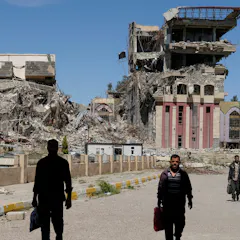
South Africa’s peaceful transition from apartheid to democracy holds crucial lessons for a post-Islamic State Iraq.
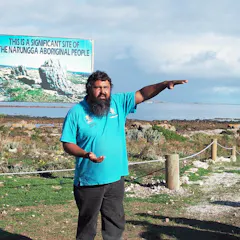
It is a problem in our efforts to build reconciliation that Australians appear not to be taking up the hospitality of their fellow Australians.
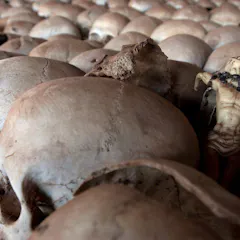
The 1994 Rwandan genocide evokes shame, despair, and revulsion.Yet, the events warrant reflection and remind us about the risks of looking the other way.
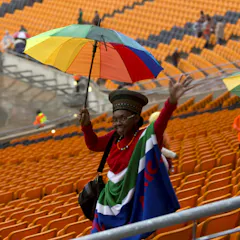
Despite the noble goals of the new South Africa and its ideals of racial harmony, racial tensions remain a major problem in the country. Prejudice and bigotry persists even in universities.
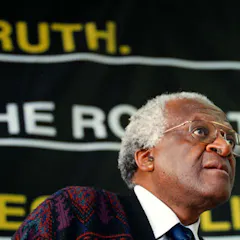
If violent contexts aren’t taken into account, restorative justice does not serve broader society. Instead it serves as a peacemaking process within a paradigm stacked against the poor and vulnerable.
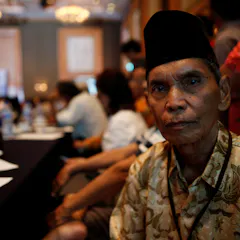
For decades, Indonesia’s official national history was silent about the murders and incarceration of hundred thousands of people. Moving beyond that will require a new understanding of what happened.
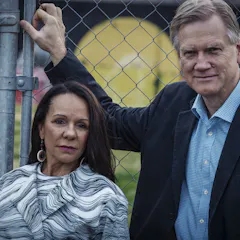
The ABC has missed a rare opportunity to deeply engage with the diversity of views among Indigenous Australians about whether and how they should be ‘recognised’ in the Constitution.
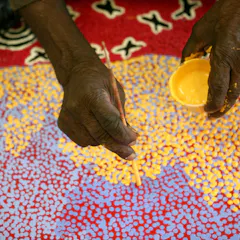
Indigenous peoples live in societies where their sense of cultural worth is constantly undermined.
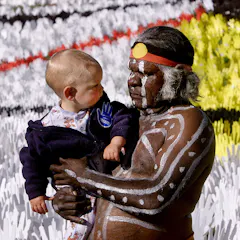
Racism is again on the rise in many parts of the world. So is the dehumanisation of our enemies. What hope is there, then, for notions of a common humanity?
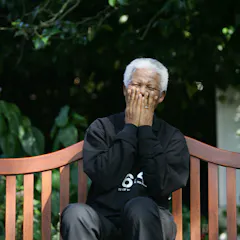
When celebrating Nelson Mandela Day, it would benefit South Africans to reflect on what the statesman’s legacy means for the nation and how they are living up to his dreams for the country.

South Africa needs to build a mental infrastructure that will allow people to individually and collectively engage in a bold, courageous and trutfhul dialogue.
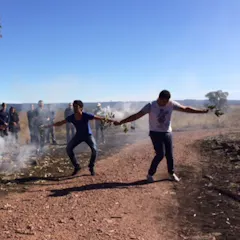
Twenty eight unarmed men, women and children were killed at Myall Creek on June 10, 1838. It was a sad, sombre place - but descendants of the perpetrators and victims have transformed it with a healing ritual.
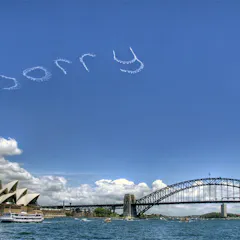
Australia’s national legitimacy is compromised by the failure to repair its relationship with its Indigenous population. Our series explores different ways of resolving this unfinished business.
Top contributors
-

Professorial Fellow, University of Canberra
-
Assistant Professor, Political Science, Brock University
-
Professor, Australian and Aboriginal History, Faculty of Arts, Design and Architecture, Convenor: Indigenous Land & Justice Research Group, UNSW
-
Senior Research Fellow, Indigenous Land & Justice Research Group, UNSW
-
Professor, Department of Geography, Environment and Geomatics, University of Guelph
-
Professor, Department of Psychology, University of Manitoba
-
Associate Professor of Economics, University of Manitoba
-
Researcher, University of Tasmania
-
Professor in Political Science, Arnold Bergstraesser Institute
-
Associate professor emeritus, Journalism, Virginia Commonwealth University
-
Extraordinary Professor, Department of Political Sciences, University of Pretoria
-
Associate Professor, University of Tasmania
-
Professor, Faculty of Education, University of Manitoba
-
Professor of Sociology, University of the Witwatersrand
-
Associate Vice President (Indigenous Engagement), University of Regina