
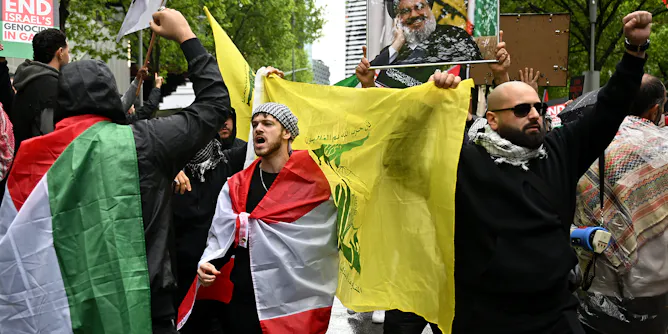
Displays of the Hezbollah flag have raised political passions and debate about the limits to free speech.
Articles on Protest
Displaying 81 - 100 of 558 articles

The passions aroused by Israel’s escalating response to the Hamas attacks have revived centuries-old stereotypes, blurring the distinction between opposition to Israel and hatred of Jewish people.
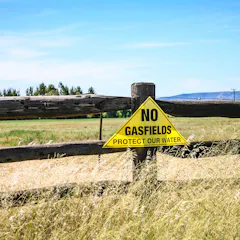
Organising to stop gasfields or coal mines sounds like a similar challenge. But one environmental group has endured, while the other ran out of energy. Here’s why

The exhibition brings together legions of courageous women who made political works of art about their lives to tell the story of the feminist movements of the 1970s and the 1980s.
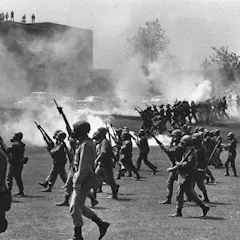
The author of a new book about the 1970 shootings at Kent State University explains why using armed troops to respond to protests is a risky strategy.
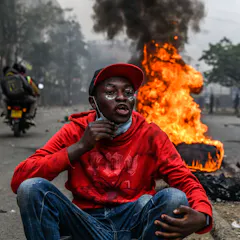
A 2010 constitution offered Kenyans economic and social rights that have faded in the face of mounting national debt.
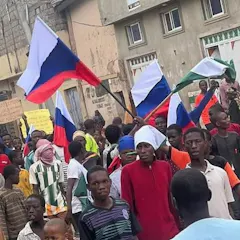
Nigeria shares a long border with Niger. With the expanded relationship between Niger and Russia, the Wagner group poses a threat to the region, especially Nigeria.
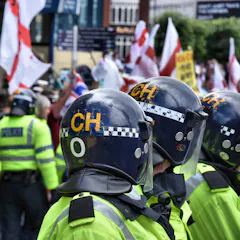
The recent eruption of far-right violence is a manifestation of deep social crisis, but it would be wrong to abandon hard-won civil rights for an illusion of safety.
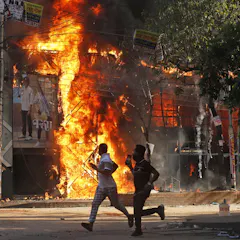
The disproportionate impact on men during the Bangladesh protests highlights how gender roles and socio-economic disparities push men into the frontline of civil unrest.
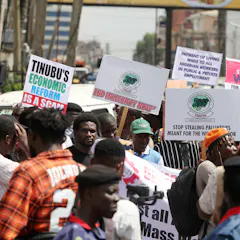
Nigeria has been faced with economic despair and social unrest. Scholars explain the issues and possible solutions.
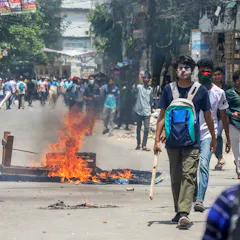
Student protests over quotas for public sector jobs rock Bangladesh.

While people rely less on TV for their daily news than they used to, it remains influential − and the TV storytelling about student protests against Israel’s war in Gaza and more can shift opinions.

Pro-Palestinian protesters occupying the University of Toronto dismantled their encampment in advance of a deadline issued by the university after being granted a court injunction.
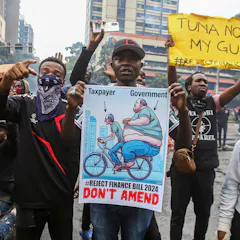
Corruption in Kenya drains resources that could have been used for services like healthcare or education.
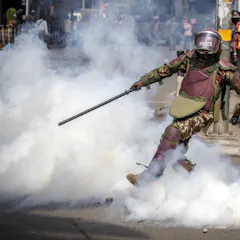
Kenya’s political regimes have used the police to repress opposition and sustain themselves in power.
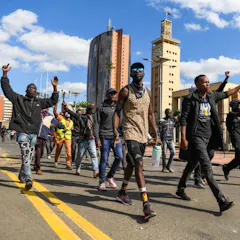
Protests in Kenya reveal that a young, enlightened, urban population can drive a hard bargain with a state that is failing them.
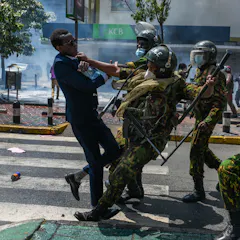
Kenya’s police have a long history of using excessive force.
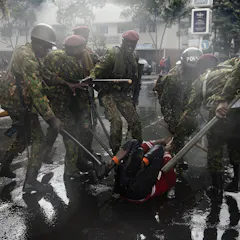
Domestic and international laws obligate the Kenyan state to enable citizens to realise the right to peaceful assembly.
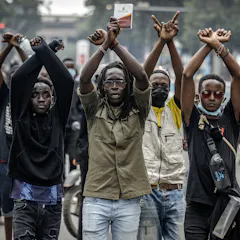
Kenyan activism is witnessing a shift from ethnic-based mobilisation to issue-based activism.

From ancient Rome to modern times, pelting has been a performance of crowd defiance in all its joyous, furious and lawbreaking glory.
Top contributors
-

Associate Professor of Law, Member of Deakin Cyber and the Centre for Law as Protection, Deakin University, Deakin University
-
Associate Professor of Disaster and Emergency Management, York University, Canada
-
Reader in Political Sociology, Aston University
-
Professor of Journalism, Michigan State University
-
Associate Professor in Politics, University of Birmingham
-
Professorial Fellow, University of Canberra
-
Lecturer in Social Psychology, University of St Andrews
-
Lecturer in criminology, Edinburgh Napier University
-
Associate Professor of Sport Management, University of Technology Sydney
-
Rosalinde and Arthur Gilbert Foundation Professor of Israel Studies, University of California, Los Angeles
-
Senior Lecturer and Researcher in Journalism, Radio and Communication, University of Sheffield
-
Former Visiting Fellow, SPRU, University of Sussex Business School, University of Sussex
-
Lecturer in Criminology, Edith Cowan University
-
Senior lecturer, University of Edinburgh
-
Professor of International Relations at UCL | Associate Fellow on the Middle East at Chatham House, UCL