
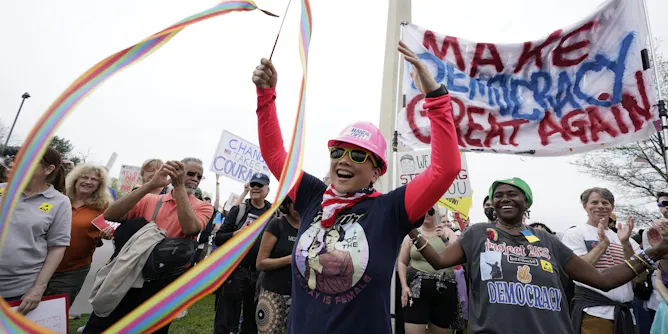
Research suggests a person’s social network is as important, if not more important, than simply being angry or frustrated when they decide to take part in a public protest.
Articles on Protest
Displaying 61 - 80 of 558 articles
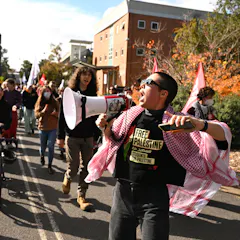
Over the past year, all of Australia’s eight top research universities have increased restrictions on campus protests.
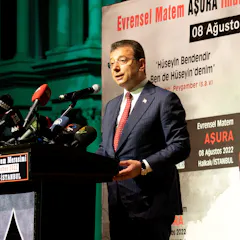
Istanbul mayor Ekrem İmamoğlu’s arrest marks a turning point in Turkey’s democratic decline.
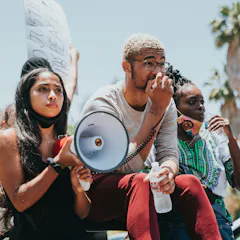
Globally, we’re witnessing a rise in far-right governments increasingly hostile towards universities, historically springboards for progressive change. What should the future look like for universities in Canada?
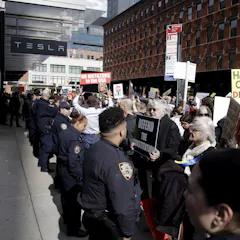
If Donald Trump appears deaf to the protests of other governments over his policies, he may still hear the voice of corporate America should consumer boycotts spread.
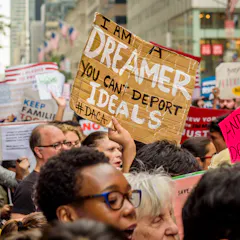
Pushback works.
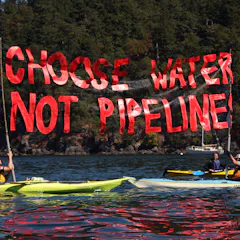
Legal experts see a current lawsuit against the environmental group Greenpeace as a classic example of using litigation to stifle public criticism.
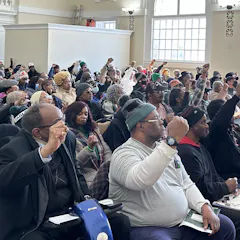
A packed public meeting at a senior center in January 2025 continues a Philly tradition that dates back to a meeting at Mother Bethel AME Church in January 1817.
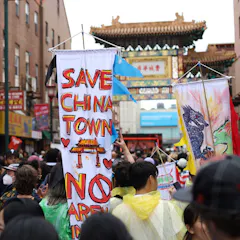
The ‘Save Chinatown’ movement began 50 years ago with the fight over the expansion of the Vine Street Expressway.

As the world continues to witness wars and climate-related disasters impacting the lives and well-being of more people, the voices of doctors become increasingly vital.
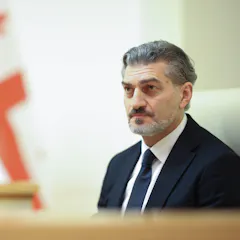
Georgia’s new president was not directly elected after a change to the constitution, and was the only person on the ballot.
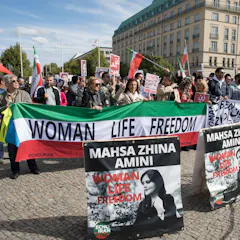
Throughout history, women who protested against the state or were seen as trouble makers were dubbed ‘mentally ill’.
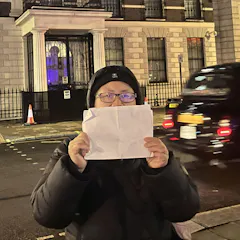
Coercion and repression are increasingly travelling across borders, thanks to 21st-century communications.
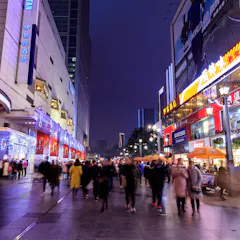
Our research shows a surprising level of disapproval among the Chinese public of Russia’s invasion of Ukraine.

The controversy is about the Israeli-Palestinian conflict interfering with the world of Canadian letters, but also reveals antagonistic ideas about literature’s social role.
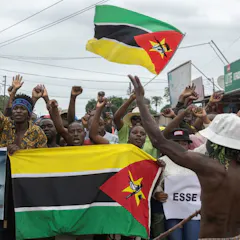
The political unrest in Mozambique reflects discontent with the status quo, including limited opportunities for advancement.

An agreement between an indigenous community and an energy company secured the development of a power plant in exchange for community benefits. But the deal does not meet energy justice principles.
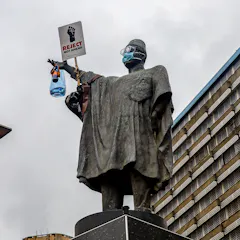
Cities are political battlefields, where elites try to retain control, and people challenge this authority.
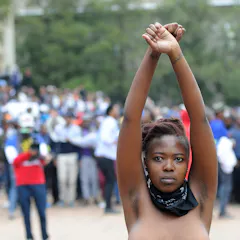
Interviews with women who have staged naked protests reveal this is not just a shock tactic, but a powerful way of claiming their voices and their dignity.
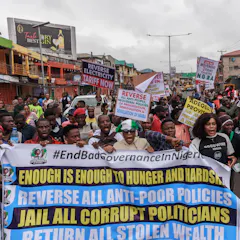
Elite corruption can provoke popular protest for several reasons.
Top contributors
-

Associate Professor of Law, Member of Deakin Cyber and the Centre for Law as Protection, Deakin University, Deakin University
-
Associate Professor of Disaster and Emergency Management, York University, Canada
-
Reader in Political Sociology, Aston University
-
Professor of Journalism, Michigan State University
-
Associate Professor in Politics, University of Birmingham
-
Professorial Fellow, University of Canberra
-
Lecturer in Social Psychology, University of St Andrews
-
Lecturer in criminology, Edinburgh Napier University
-
Associate Professor of Sport Management, University of Technology Sydney
-
Rosalinde and Arthur Gilbert Foundation Professor of Israel Studies, University of California, Los Angeles
-
Senior Lecturer and Researcher in Journalism, Radio and Communication, University of Sheffield
-
Former Visiting Fellow, SPRU, University of Sussex Business School, University of Sussex
-
Lecturer in Criminology, Edith Cowan University
-
Senior lecturer, University of Edinburgh
-
Professor of International Relations at UCL | Associate Fellow on the Middle East at Chatham House, UCL