
Scientific and engineering breakthroughs are allowing us to make ammonia from pollution rather than fossil fuels.
Articles on Pollutants
Displaying 1 - 20 of 26 articles

From wearable samplers to passive environmental monitoring, new research is changing how scientists observe chemical exposure – without invasive sampling.
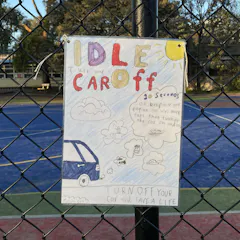
When parents leave their cars idling outside schools, pollution levels spike. The solution could be as simple as teaching children how to ask for change.
From detecting pollutants to assessing health risks, the US EPA’s Office of Research and Development has long ensured that environmental decisions are grounded in credible, cutting-edge science.
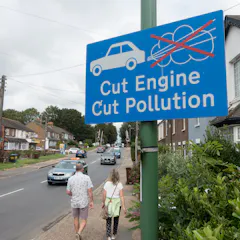
Researchers have analysed UK-wide trends for three major pollutants.
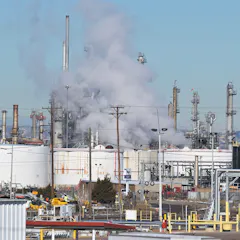
Limiting exposure to air pollution will have lasting impacts on Colorado communities with the highest exposure.

Once these chemicals are in an environment they almost never break down.

Dust and traffic pollution add to the health hazard posed by some cooking fuels.
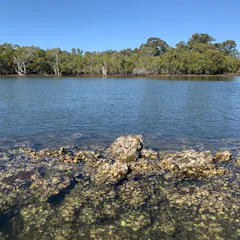
Herbicides and pesticides wash downriver from farms and towns – and some of these chemicals are taken up by oysters.
The production, use and end-of-life of clothing all have an impact on our health. But greater ecological awareness could turn the tide.

New restrictions on PFAS and other potentially hazardous chemicals in Australia present an opportunity for industry to develop alternatives for new, safe and clean products.

Human activities can affect plants and have consequences for the human populations that consume them.

Every household is more likely than not to have dusts containing PFAS chemicals at low concentrations. But how worried should we be about the risks to our personal health?

Technology will be a key part of solving the global water scarcity crisis.
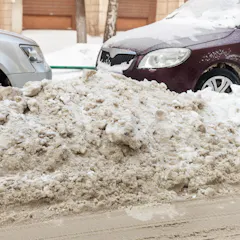
From persistent chemicals to exhaust particulate matter, snow accumulates highly toxic pollutants. Regulations are needed to address the impacts on water supplies and the food chain.
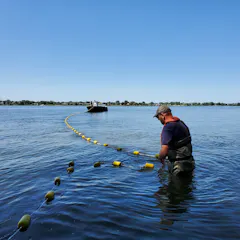
UV absorbents and industrial antioxidants are used in many household goods to protect them from UV radiation. They can have an adverse impact on ecosystems.
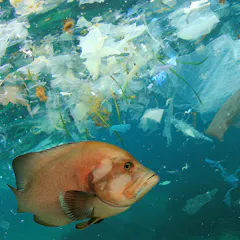
We need to advance our understanding of the effects of microplastics on aquatic ecosystems, especially on small animals at the base of food webs that might be ingesting more of these particles.

Humanity’s biggest challenges are not technical, but social, economic, political and behavioural. Effective actions are still possible to stabilise the climate and the planet, but must be taken now.

There have been instances of heavy metals pollution in Nigeria that led to public health crisis.
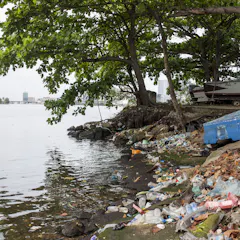
Pollutants from industrial and domestic sources in the Lagos lagoon represent a cocktail of environmental contaminants.
Top contributors
-

Senior Lecturer in Pharmacology, Adelaide University
-
Research Associate, Stockholm Environment Institute
-
Research Associate, Stockholm Environment Institute, York, Stockholm Environment Institute
-
Research Analyst, University of Saskatchewan
-
Doctorant en sciences de l'environnement, Université du Québec en Abitibi-Témiscamingue (UQAT)
-
Health Economist ,Department of Environmental Health, Kintampo Health Research Center
-
Senior Research Consultant, Institute for Sustainable Futures, University of Technology Sydney
-
Professor of Sustainable Development, University of Staffordshire
-
Professor Environmental and Marine Science, Southern Cross University
-
Professeur, Université du Québec en Abitibi-Témiscamingue (UQAT)
-
Professor of Aquatic Toxicology, University of Ibadan
-
Professeur titulaire, Université du Québec en Abitibi-Témiscamingue (UQAT)
-
Professor Emeritus of International Environmental Policy, Tufts University
-
Chercheuse scientifique, Université du Québec à Montréal (UQAM)
-
SEI York Centre Director, University of York