
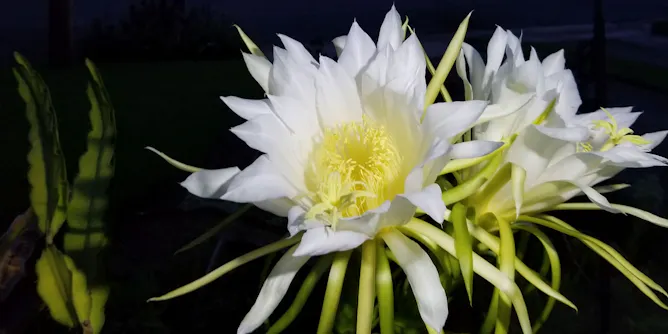
Not all flowers smell good, to people at least, but their scents are a way to attract pollinators.
Articles on Pollinators
Displaying 81 - 100 of 175 articles
New research suggests that residential gardens are the source of 85% of the nectar produced in towns and cities.
Entomologists wonder if the insects currently pollinating farmed cacao are the right ones for the task.
Chemicals banned in the EU were recently granted an exemption for limited use in the UK.
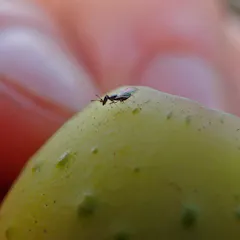
As invasive species transform the world, frontline agencies take solace that species needing unique partners can’t invade alone. A new study on figs shows they may find new partners to invade anyway.
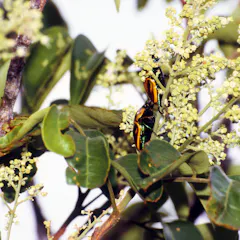
In the Amazon, beetles and flowering trees have developed a tight bond. Hundreds of beetle species thrive off of and pollinate blossoms, helping to maintain some of the highest biodiversity on Earth.
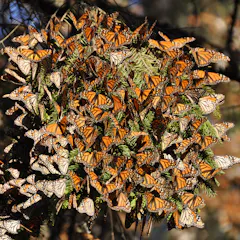
Can a plan that brings together government and private landowners create enough habitat for monarch butterflies?
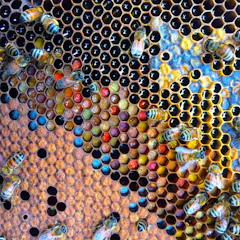
A single colony of bees can have 60,000 bees in it. Together, they can visit up to 50 million flowers each day to collect pollen and nectar. They’re not called ‘busy bees’ for nothing!

Life in a honey bee hive is all about cooperating for the collective good.

Honey bees in the most polluted parts of an Indian city were more likely to die sooner and showed clear signs of poor health.
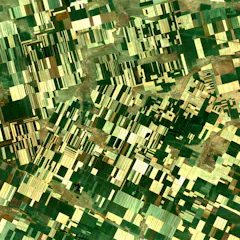
The steep decline in biodiversity is worrying, especially as wild species are important for pollination and pest control.

Scientists and the community are building nests to help save the stunning green carpenter bee from extinction.
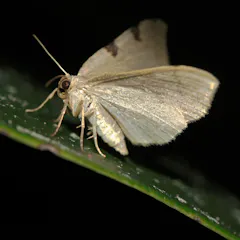
New research sheds light on the unsung heroes of pollination.
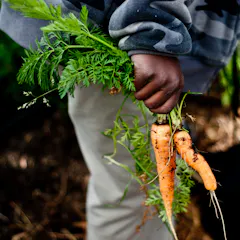
Victory gardens were popular during wartime, and have made a comeback during the current pandemic.
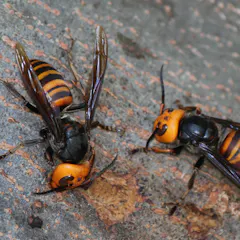
Are ‘murder hornets’ from Asia invading North America? A Japanese entomologist who’s been stung by one and lived to tell the tale explains what’s true about these predatory insects.
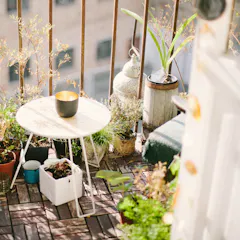
A behavioural science expert, a botanist, an environment media expert and an entomologist suggest ways to connect with nature in your garden.
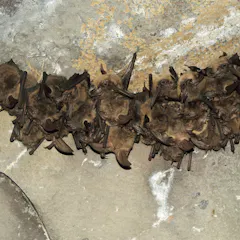
The value that bats provide to humans by pollinating crops and eating insects is far greater than harm from virus transmission – which is mainly caused by human actions.
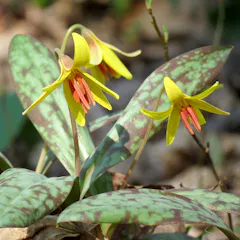
Climate change has advanced the arrival of spring by as much as several weeks in some parts of the US. This can mean major crop losses and disconnects between species that need each other to thrive.

Indigenous land stewardship, resource extraction and corporate interests remain critical issues to addressing large-scale environmental concerns such as pollinator loss in Canada and beyond.
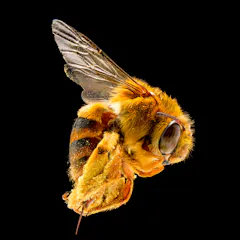
In NSW, honeybees are listed as a key threatening process to biodiversity.
Top contributors
-

Lecturer in Ecology, University of New England
-
Associate Professor in Entomology, University of Sydney
-
Research Affiliate in Human Ecology, University of California, Davis
-
Senior Research Associate in Entomology, Lancaster University
-
Associate Professor, Department of Physiology, Monash University
-
Professor of Ecology, University of Bristol
-
Emeritus Professor of Apiculture, University of Sussex
-
Associate Professor in Ecology, Northumbria University, Newcastle
-
Adjunct Research Fellow, Curtin University
-
Associate Professor, Faculty of Environmental and Urban Change, York University, Canada
-
Professor of Behavioural Ecology, UCL
-
Extension Agent, University of Florida
-
Professor of Biodiversity and Ecosystem Services, University of Reading
-
Lecturer in Conservation Ecology, Anglia Ruskin University
-
Professor and Department Head, Entomology and Plant Pathology, University of Tennessee