
Turning street lights off at midnight could save money, energy and help nocturnal ecosystems thrive.
Articles on Pollinators
Displaying 121 - 140 of 175 articles
Agriculture and the environment don’t need to be at odds with each other. They are more closely interdependent than we realize.
Evidence-based advice from experts on how to make your garden a friendly environment for pollinators.
Research shows that managed honey bees may pose a threat to free roaming honey bee populations.
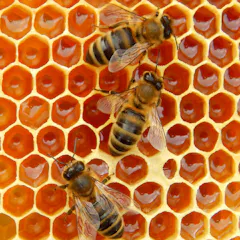
Remote sensors allowed us to observe the in-hive activities of honeybees, which could be key to keeping bee colonies worldwide healthy.
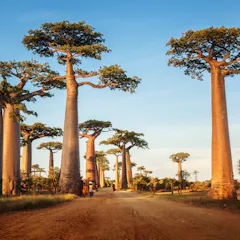
Without an array of ecosystems and species, it’s tough for farmers to grow crops or ranchers to raise animals.
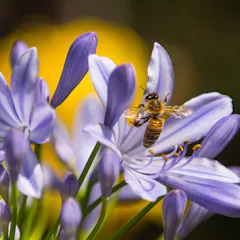
The world’s most widely used herbicide poses a threat to honey bees.

All too often the media buzz is centred around the managed honeybee, at the expense of other wild bee species.
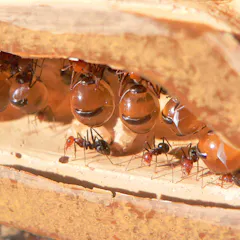
Honey might be synonymous with bees, but they’re not the only insects that come up with the goods.

Pollination by commercially raised bees is important to a variety of crops but none more than California almonds. In turn, beekeepers depend on them.
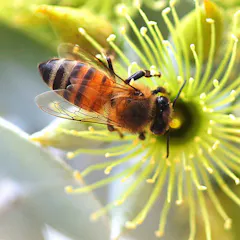
Australia’s distinctive native plants give our honey a distinctive stamp. Welcome to melissopalynology: the study of pollen.
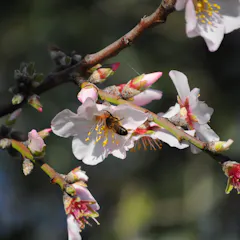
Many fruits, nuts and other crops rely on bees to pollinate their flowers at just the right time of year. Many farmers rent bees to get the job done at pollination time.
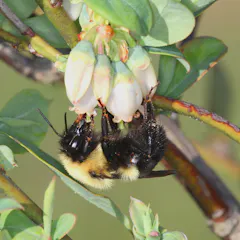
Honeybees receive a lot of attention, but the first North American bee to be listed as an endangered species is a wild bumble bee. Wild bees are vital pollinators, and some are declining rapidly.
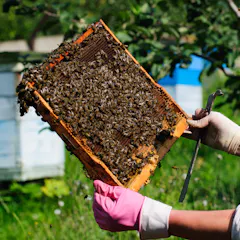
Meta-analysis studies have made it possible to sort through apparently contradictory research by looking at the bigger picture.

Rather than trying to out-compete each other, flowers may work together to attract bees en masse. It’s the sort of approach that is effective in the world of advertising too.
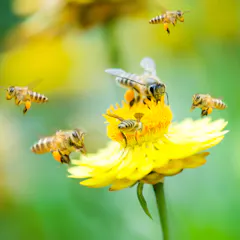
Honeybees are responsible for only a third of crop pollination in Britain.
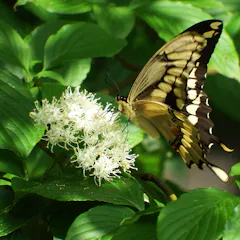
We’re in the middle of an Insectageddon. But a garden of native plants can help insects, as well as birds and other wildlife.
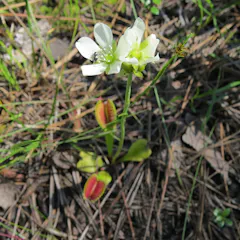
Venus flytrap plants have ‘traps’ that snap shut on insect prey. But they also rely on insects for pollination. New research suggests how the plant avoids eating its allies.
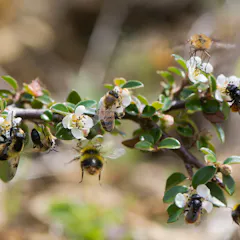
Hoverflies are helping spread disease among the already declining bee population.

Pollinating bees are among the ‘natural assets’ that have a greater – though less visible – impact than plastic waste on the environment.
Top contributors
-

Lecturer in Ecology, University of New England
-
Associate Professor in Entomology, University of Sydney
-
Research Affiliate in Human Ecology, University of California, Davis
-
Senior Research Associate in Entomology, Lancaster University
-
Associate Professor, Department of Physiology, Monash University
-
Professor of Ecology, University of Bristol
-
Emeritus Professor of Apiculture, University of Sussex
-
Associate Professor in Ecology, Northumbria University, Newcastle
-
Adjunct Research Fellow, Curtin University
-
Associate Professor, Faculty of Environmental and Urban Change, York University, Canada
-
Professor of Behavioural Ecology, UCL
-
Extension Agent, University of Florida
-
Professor of Biodiversity and Ecosystem Services, University of Reading
-
Lecturer in Conservation Ecology, Anglia Ruskin University
-
Professor and Department Head, Entomology and Plant Pathology, University of Tennessee