
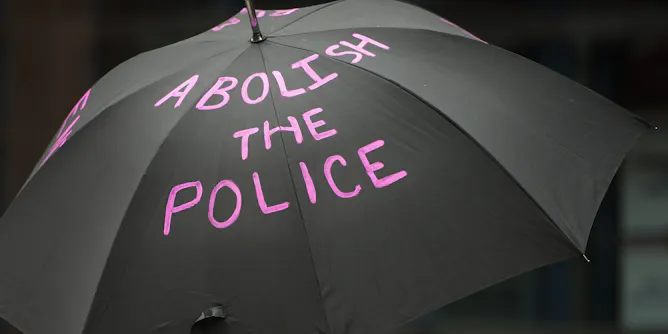
Amidst calls to defund the police, political leaders are increasing police budgets, arguing — incorrectly — that increasing police surveillance capacities will help provide accountability.
Articles on Police reform
Displaying 41 - 60 of 64 articles
When police arrest a suspect who is then convicted of the crime, it is a rare exception rather than the rule in the US.
Giving police military gear doesn’t reduce crime or keep officers safer – but it does hurt citizens’ trust of the police, and for good reason.
A decadeslong process of recruiting a more diverse police force has led to more peaceful communities and widespread, bipartisan trust in policing in Northern Ireland.

Scholars who study policing explain what they have found that could help reduce police prejudice and violence.
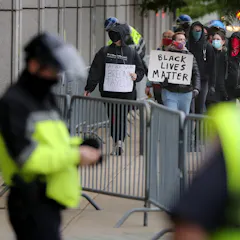
Across the United States, police are shielded from both public and departmental accountability by multiple layers of contractual and legislative protections.
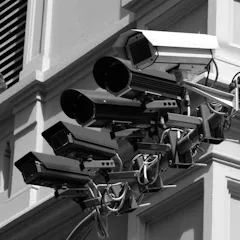
Police forces across the country now have access to surveillance technologies that were recently available only to national intelligence services. The digitization of bias and abuse of power followed.
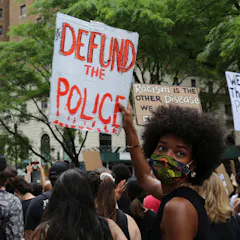
Research on excessive use of force by police and the sociological context and psychological characteristics of killer cops point to useful policy measures.
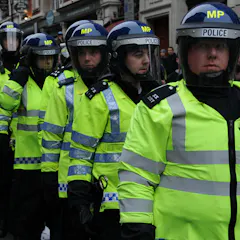
Representation alone cannot fix racism. But when deployed appropriately, it can provide reassurance and support to communities of colour.
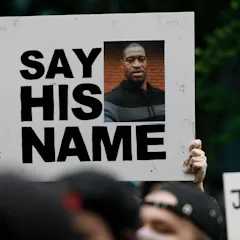
Half a century after the federal government voided Jim Crow laws, the criminal justice system still discriminates against African Americans.
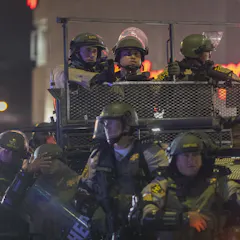
The militarization of local police departments has been associated with an increase in police violence against citizens.
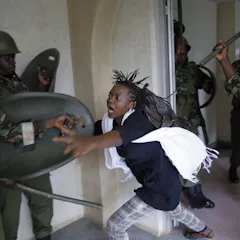
In spite of numerous reforms, it is evident that various forms of misconduct are interpreted as a part of everyday police work
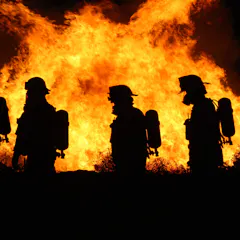
A sociologist spent time as a volunteer firefighter – and learned more about how institutional culture can shape a person’s behavior.
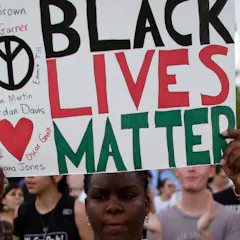
Half a century after the federal government voided Jim Crow laws, the criminal justice system still discriminates against African Americans.

As the service becomes more professional and diverse, the less it can be influenced by boys’ clubs.
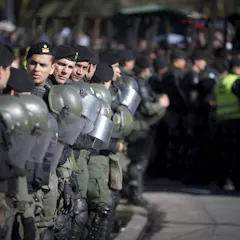
Research shows how politics can easily halt reforms that require time to take effect.

Crime data reflect only what crimes are identified by the police – not all the crimes that occur. So decisions based on crime data are necessarily biased and incompletely informed.

Famously freewheeling – but also violent and unequal – Rio de Janeiro has elected a right-wing former pentecostal bishop as mayor. What’s at stake for this ‘gay, black and tolerant’ Brazilian city?
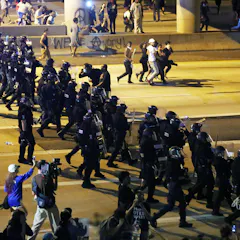
The shooting of yet another black American by police in North Carolina ignited a tinderbox of deep anger and resentment.
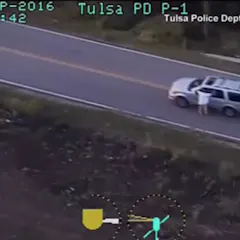
A scholar of visual culture sees a transition happening online as the alt-right reinterprets images of police shootings to push back against the gains made by Black Lives Matter.
Top contributors
-

Assistant Professor, Augusta University
-
Assistant Professor of Criminal Justice and Criminology, Georgia State University
-
Associate Professor of Law, Rutgers University - Newark
-
Professor and Chair, Department of Sociology & Anthropology, West Virginia University
-
Assistant Professor of Justice Studies and Sociology, Norwich University
-
Associate Lecturer, School of Humanitarian Studies, Royal Roads University
-
Professor, Sociology, University of Alberta
-
Assistant Professor of Criminology and Criminal Justice, University of South Carolina
-
Ph.D. Student in Communications, Columbia University
-
Senior Lecturer in Policing, Liverpool John Moores University
-
Professor of Media, Culture, and Communication, New York University
-
Professor, Universidade Federal do Rio de Janeiro (UFRJ)
-
Lecturer in Police Studies, Liverpool John Moores University
-
Associate Professor of Criminology and Criminal Justice, University of Nebraska Omaha
-
Assistant Professor of Politics, Pomona College