
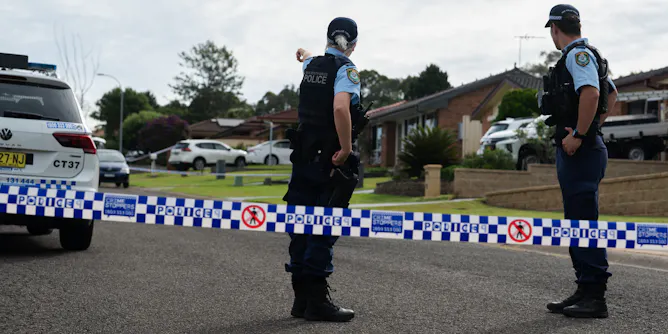
NSW police will make body-worn cameras mandatory after recent controversies. But it may not solve the issues they face.
Articles on Police brutality
Displaying 1 - 20 of 135 articles

Racialized communities are systematically over-represented in police use-of-force data across 17 cities and regions. And this is rooted in ongoing racism in policing.
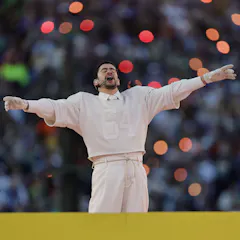
Emerging from a swirl of sonic influences, reggaeton began as Panamanian protest music long before Puerto Rican artists turned the genre into a global phenomenon.

His image is the watermark in South African passports, but he is not as widely known as leaders like Nelson Mandela and Desmond Tutu.
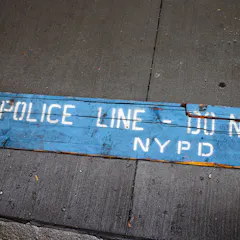
The 1984 shooting death of a Black grandmother in her Bronx apartment sparked an ongoing movement against police brutality and neglect of the mentally ill.

Kenya now needs to rethink its approach by targeting police funding to improve the poor working environment.

Kenyan regimes have long adopted brutal policing approaches to sustain themselves in power.
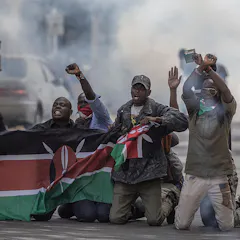
Police brutality thrives in environments where wrongdoing goes unpunished.

After protests over state violence, news coverage tends to focus on negative stories that can delegitimize dissent. Over time, that often yields to more nuance.
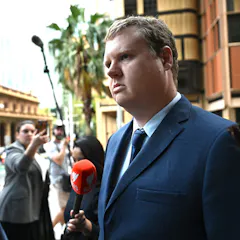
The police officer avoided jail time for the manslaughter of 95 year-old Clare Nowland. The case shows what the community thinks about how much is too much force.
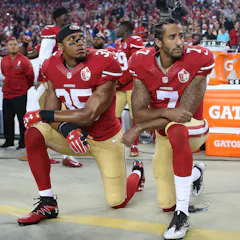
For some Americans, athletes can and should be role models, according to a study. For others, athletes should only express their views under certain conditions.
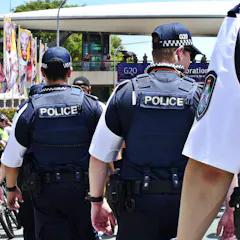
AI technologies can help police. But only structural and organisational reform can fix inequitable surveillance practices.
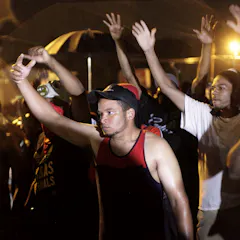
With every new incident of racial violence, Black people tend to undergo a collective sense of racial grief.
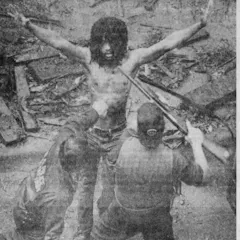
A white Philadelphia police officer was killed during a 1978 confrontation with the radical group MOVE. Often overlooked was the brutality leveled against the group’s spokesman.
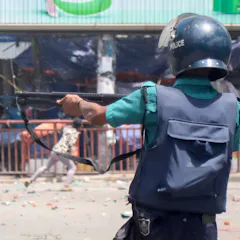
Police brutality has left many protesters dead in Bangladesh, but the authorities are not being held to account.
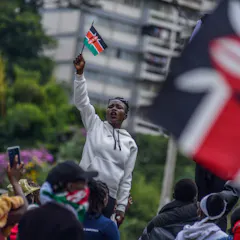
Significant transitions in Kenya have occurred through the voices of the masses rather than formal political structures.
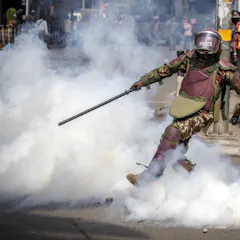
Kenya’s political regimes have used the police to repress opposition and sustain themselves in power.
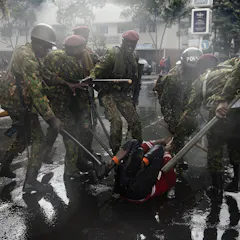
Domestic and international laws obligate the Kenyan state to enable citizens to realise the right to peaceful assembly.

The type of life and professional experience a police chief has can influence how their departments react to protests, new research finds.
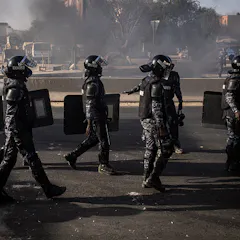
Negative perceptions of police professionalism and corruption go hand in hand with low public trust in the police, poor marks on government performance, and citizens’ sense of insecurity.
Top contributors
-

Professor, Obafemi Awolowo University
-
Professor, Sociology, University of Alberta
-
Assistant Professor in Media Studies, University of Colorado Boulder
-
Lecturer in criminology, Edinburgh Napier University
-
Professor of Teaching, Wayne State University
-
Principal Policy Analyst, Governance Department, The Kenya Institute for Public Policy Research and Analysis (KIPPRA)
-
Post Doctorate Researcher under the DANIDA funded project on security, sustainable growth and peace in Uganda., University of Copenhagen
-
Professor of Criminal Justice, University of Winnipeg
-
Associate Professor, Organizational Behaviour, Athabasca University
-
Assistant Professor, Augusta University
-
Assistant Professor of Justice Studies and Sociology, Norwich University
-
Assistant Professor of Criminal Justice and Criminology, Georgia State University
-
Professor of Journalism, Michigan State University
-
Assistant Professor of Criminology and Criminal Justice, University of South Carolina
-
Associate Professor at the School of Social Transformation, Arizona State University