
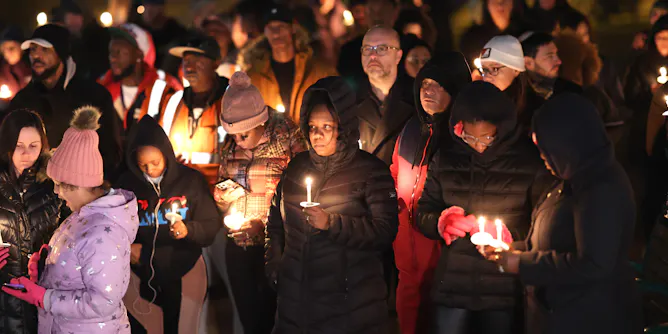
The death of a Black motorist after a beating by five Black Memphis police officers has triggered national outrage over police brutality and systemic racism with the U.S. criminal justice system.
Articles on Police reform
Displaying 21 - 40 of 64 articles

To move towards justice and peace, Kenya must disband all police units implicated in unlawful violence and punish criminal officers.
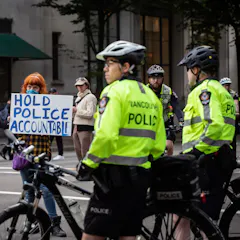
The greedy tendencies of police departments help illustrate why public police funding is a major problem today in Canada and the United States.

To turn back the tides of radicalization and hate, Canada needs investments in our democratic culture, improvements in policing and support for grassroots efforts.
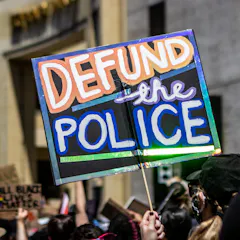
The continued reliance on outdated indicators of police performance reinforce conventional ideas of police sustainability rather than align with the concerns of “defund the police” advocates.
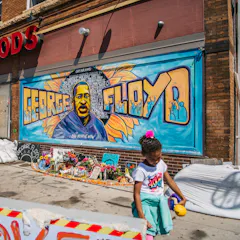
Minneapolis residents voted 56% to 44% against an amendment that would have transformed the city’s police. The reasons they did so are complicated, an expert writes.

Months of bipartisan talks in Congress aimed at reaching consensus over policing reforms have ended with no agreement. Two policing scholars argue that federal efforts are better placed focusing on supporting local measures.
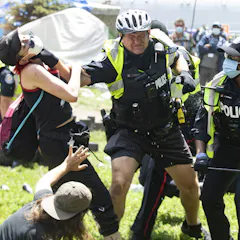
A year after historic protests for police reform, it’s clear that the Toronto Police aren’t sincere about changing how they treat historically over-policed and criminalized communities.
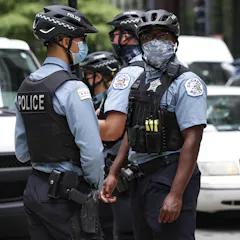
Despite growing public criticism over how much counties, cities and towns spend on policing, many are increasing officer pay.
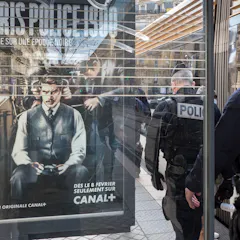
The classic cop show is now a problematic genre, but if it can change, then perhaps real world policing can too.

The Colombian government responded violently to a general strike over tax reforms that primarily affected working-class citizens. It has fueled calls for police reform.
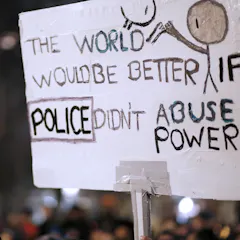
Since Tyre Nichols’ death there are renewed calls for Congress to pass police reform legislation. But the federal government has almost no control over state and local police departments.
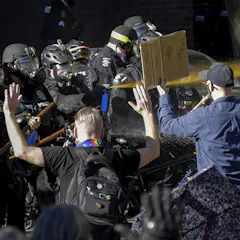
New research confirms that unfair police treatment is psychologically damaging and that the consequences are decidedly worse for certain racial and ethnic groups.
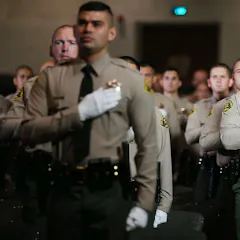
Police are sworn to protect the public, but cadets are still trained for battle – not public service – according to a new study examining all 50 US state police academy curricula.
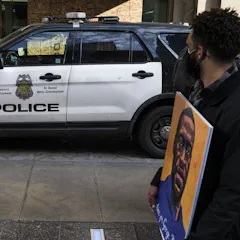
Attempts to reform US police departments fail when they are unable to get community support. Perhaps it is time to take a different tack, argue two criminal justice scholars – one a former cop.
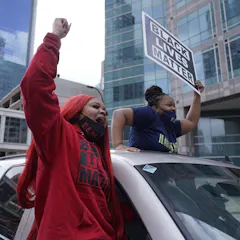
In the wake of the conviction of the police officer who killed George Floyd, recent court decisions against what’s known as “qualified immunity” are promising.
A lack of emotional support within the police is leading to PTSD and burnout.
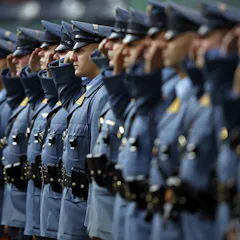
Racism was an early hallmark of the New Jersey State Police, and remains challenging for police agencies in the 21st century.

The story of Nigeria’s #EndSARS movement shows just how durable law enforcement institutions are – and why the road to reform goes straight uphill.
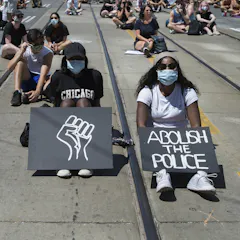
Reforming the police is possible, but it depends on applying pressure on politicians.
Top contributors
-

Assistant Professor, Augusta University
-
Assistant Professor of Criminal Justice and Criminology, Georgia State University
-
Associate Professor of Law, Rutgers University - Newark
-
Professor and Chair, Department of Sociology & Anthropology, West Virginia University
-
Assistant Professor of Justice Studies and Sociology, Norwich University
-
Associate Lecturer, School of Humanitarian Studies, Royal Roads University
-
Professor, Sociology, University of Alberta
-
Assistant Professor of Criminology and Criminal Justice, University of South Carolina
-
Ph.D. Student in Communications, Columbia University
-
Senior Lecturer in Policing, Liverpool John Moores University
-
Professor of Media, Culture, and Communication, New York University
-
Professor, Universidade Federal do Rio de Janeiro (UFRJ)
-
Lecturer in Police Studies, Liverpool John Moores University
-
Associate Professor of Criminology and Criminal Justice, University of Nebraska Omaha
-
Assistant Professor of Politics, Pomona College