
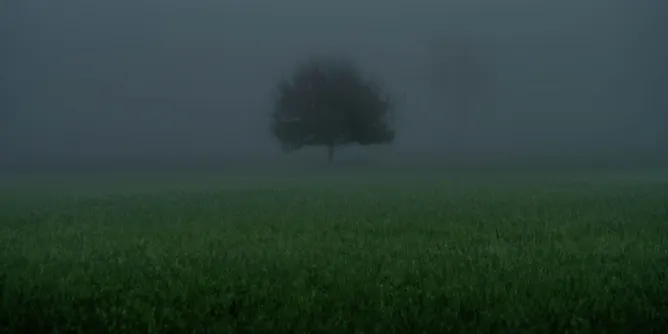
AI-powered translation tools are certainly impressive. But there is an important frontier for translation technology, one AI might never be able to breach: the poem.
Articles on Poetry
Displaying 21 - 40 of 396 articles

A suspicion of prose poetry permeated Anglophone countries in the 20th century. Today, it is rejuvenating poetic traditions.

A haiku builds a scene and then breaks it. Climate change has exactly that shape, which means the form itself can carry the science.
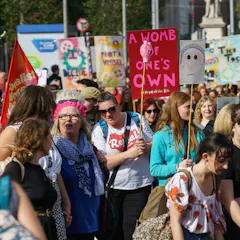
No poetry collection on the subject of abortion has come out of Ireland.
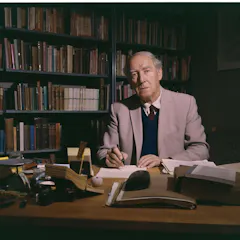
In A.D. Hope: A Life, Susan Lever shows the philosophical reach, formal brilliance and impassioned force of Hope’s poetry.
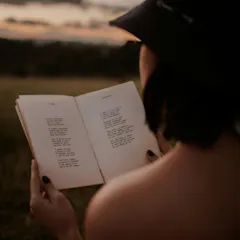
Contrary to popular belief, poetry doesn’t have to rhyme – and rhyme is not a marker of quality, or ease. Some of the world’s most famous poetry proves it.

Poetry will not fill potholes. However, poet laureates can help cities attend to memory, grief, language and a sense of belonging.
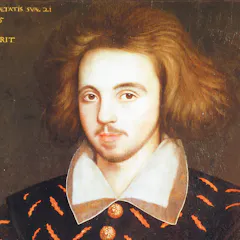
Marlowe’s artistic brilliance was arguably more concentrated, his imagination more original and his ideas more daring than Shakespeare’s.

Loss is inevitable, but the formalised language of poetry may help us endure it.

The Conversation invites academics across the UK and Ireland to write a poem inspired by climate change research.

These poems span over 200 years and a range of emotions, from sorrow, to fear and hope.
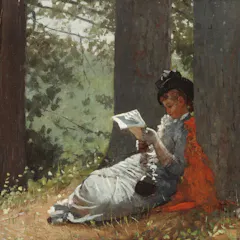
AI offers production-line quality in writing across a range of genres. But the price may be losing our connection to each other’s human experience and emotion.

A new book for scholars, students, and curious readers invites readers to think critically about the promises and perils of language tech and examines AI’s impact on poetic practice.
Sarah Holland-Batt, Fiona Wright, John Kinsella, Luke Johnson and Aidan Coleman share the poems they reach for in difficult times – offering hope, insight and beauty.
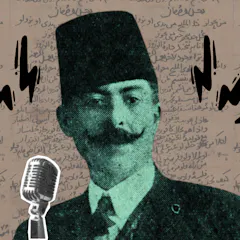
Zajal dates back to 12th-century Islamic Iberia
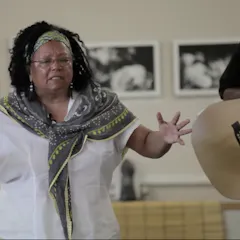
Her poem I’ve Come to Take You Home was written into French law. It deals with the repatriation of the remains of Sarah Baartman.
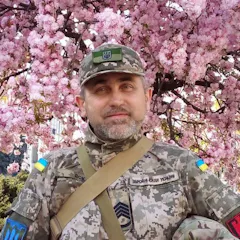
Not since the first world war has there been anything approaching the quality and quantity of work by poets who are also combatants.

People who have lived in a place for decades hold memories that city planners cannot see.
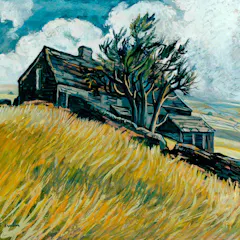
Emily Brontë’s poetry is full of haunting love, grief and death.

Here are five short game poems, all playable in a web browser, that explore themes of love, intimacy, longing and separation.
Top contributors
-

Emeritus Professor of Creative Writing, The University of Melbourne
-
Professor of Creative Pedagogies, Edinburgh Napier University
-
Lecturer, Creative Writing, UNSW
-
Senior Lecturer, English and Creative Writing, Southern Cross University
-
Distinguished Professor Emerita of Creative Practice, Faculty of Arts and Design, University of Canberra
-
Emeritus Professor of Literature and Environment, Curtin University
-
Professor of Writing and Literature, Deakin University
-
Honorary Fellow, RMIT University
-
Professor in Australian Literature and Writing, The University of Queensland
-
Assistant Lecturer, North Carolina State University
-
Professor of English Literature, Aberystwyth University
-
Political Scientist, University of the Western Cape
-
PhD candidate, Swansea University
-
Senior Lecturer In Creative Writing, University of Roehampton
-
Honorary Associate Professor, University of Sydney