
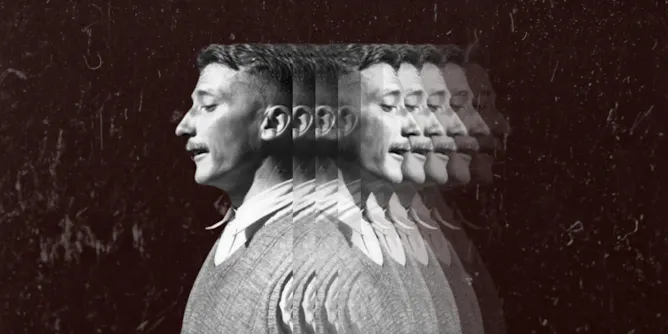
Francis Webb was the first Australian poet to openly discuss mental health crises and the stigmatisation of mental patients.
Articles on Australian poetry
Displaying 1 - 20 of 31 articles
David Malouf declared John Forbes ‘the most elegant and inventive poet’ of his
generation.
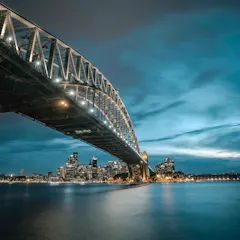
Five Bells is an elegy for Kenneth Slessor’s friend Joe Lynch, an artist who drowned in Sydney Harbour in 1927 after falling from a ferry.
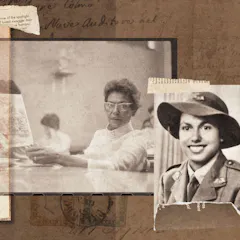
Oodgeroo’s debut collection We Are Going was the first ever book of poetry published by an Aboriginal person.
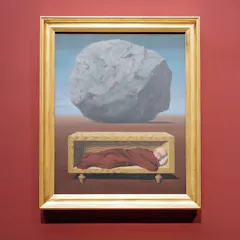
A suspicion of prose poetry permeated Anglophone countries in the 20th century. Today, it is rejuvenating poetic traditions.
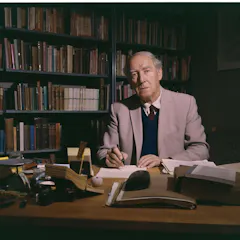
In A.D. Hope: A Life, Susan Lever shows the philosophical reach, formal brilliance and impassioned force of Hope’s poetry.
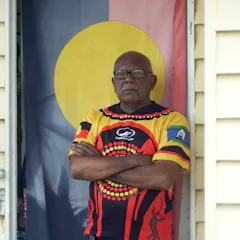
Novelist Alexis Wright has described Lionel Fogarty as Aboriginal literature’s ‘poet laureate’. His was a life of energy, art, yarning, poetry and politics.
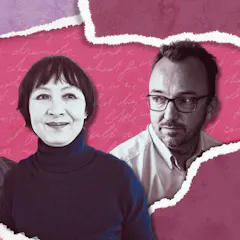
Each of these poetry collections brings imagination to bear on material objects and places, on works of art, documents and archives.
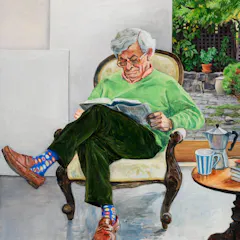
Chris Wallace-Crabbe was one of Australia’s best-known poets. Generations of students and colleagues benefited from his wisdom and generosity.
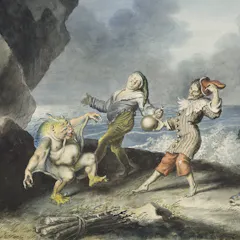
The Rot is haunted by complicity, and haunting in its insistence on remembering every betrayal.
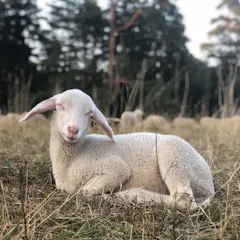
Barry Hill’s new poetry collection Lamb blends insightful, impatient and powerful commentary with grandfatherly reflections on birth and love.
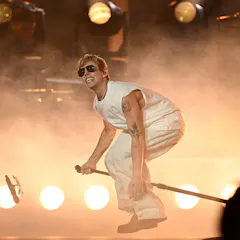
Peter Kirkpatrick’s The Wild Reciter is a provocative romp that returns poetry to the Australian people.
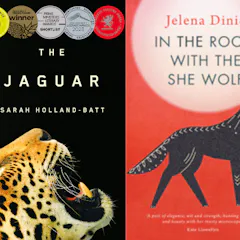
Interest in Australian poetry has dipped significantly since ‘The Man from Snowy River’. Why is this? And how can we get it back?
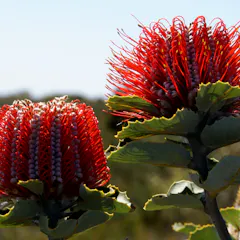
In their new collections, Jazz Money and Elfie Shiosaki tackle pressing themes of time, respect and resistance.
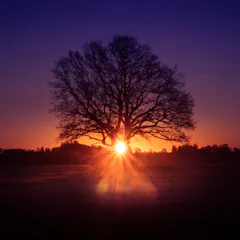
Where the poetry of David Brooks and Jill Jones intersects is their detailing of domestic life and drawing attention to environmental changes.
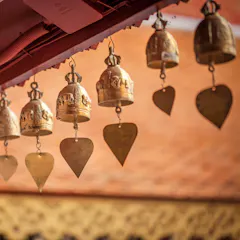
Judith Beveridge’s poetic eye has
always been unblinking. She continues to stare even when the sight is shocking,
and she tells us exactly what she sees.
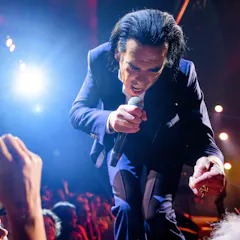
How would an official poet laureate “speak” to the spoken word, slam or hip-hop communities, or to bush poets, or to songwriters?
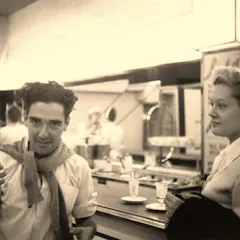
Ern Malley was born out of a competitive and often vicious striving to see which vision of Australian national literature would emerge victorious.
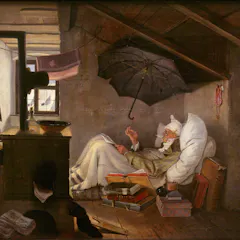
In their different ways, these three poets demonstrate how to transform everyday realities into art.

For poet Robert Adamson, the natural world offered a form of deliverance.
Top contributors
-

Lecturer, Creative Writing, UNSW
-
Senior Lecturer, English and Creative Writing, Southern Cross University
-
Professor of English Literature, The University of Queensland
-
Emeritus Professor of Writing, Faculty of Arts and Design, University of Canberra
-
Senior Lecturer in Literary Studies, Macquarie University
-
Research Fellow, School of Literature, Languages and Linguistics, Australian National University
-
Emeritus Professor of Literature and Environment, Curtin University
-
Director of AustLit, Associate Professor in Digital Cultural Heritage, The University of Queensland
-
Honorary Associate Professor, University of Sydney
-
Senior Lecturer, School of Arts and Humanities, Edith Cowan University
-
DECRA Fellow in English and Writing, University of Sydney
-
Senior Lecturer in English and Writing, University of Sydney
-
Senior Lecturer, School of the Arts & Media, UNSW
-
Associate Professor, Charles Darwin University
-
Pro Vice-Chancellor (Indigenous), Australian Catholic University