
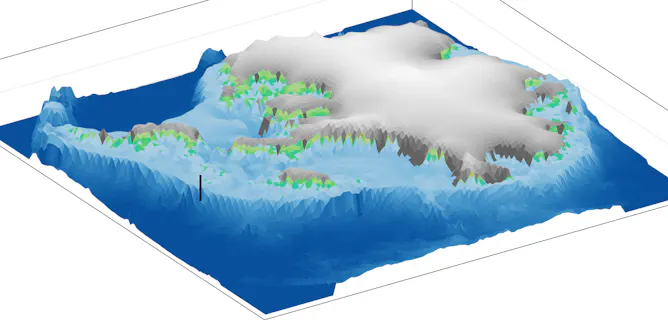
A picture of what West Antarctica looked like when its ice sheet melted in the past can offer insight into the continent’s future as the climate warms.
Articles on Pliocene
Displaying all articles

These tracksites appear to contain the first recorded Pliocene vertebrate tracks described from southern Africa.
The future of scrub mints could be in jeopardy because of climate change, development and misclassification.
The fossil record suggests Australia may be much wetter, and look far different, in centuries and millenia to come.
Spoiler: lots more floods.
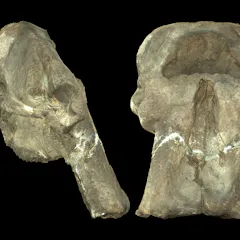
The anatomy of the teeth in the cranium and its bones show that it belongs to an extinct cousin of the living African savanna and forest elephants.
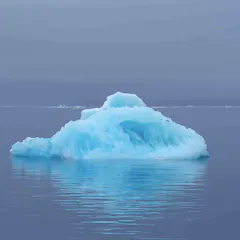
Extreme shrinkage of summer sea ice is just the latest evidence of rapid Arctic warming – and what happens in the Arctic doesn’t stay there.
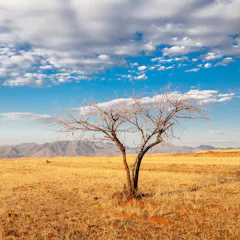
The last time global carbon dioxide levels were around 400ppm was four million years ago. On average, the world was 3°C warmer, but in high northern latitudes, it was up to 14°C warmer than today.
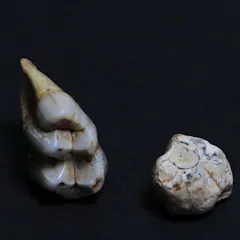
The rise and fall of monkeys in ancient Europe should remind us of our own species’ precarious relationship with changing climates.
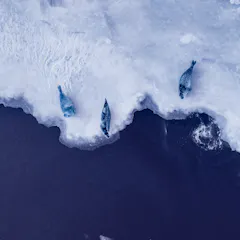
New research shows that warming by more than 2°C could be a tipping point for Antarctica’s ice sheets, resulting in widespread meltdown and changes to the world’s shorelines for centuries to come.
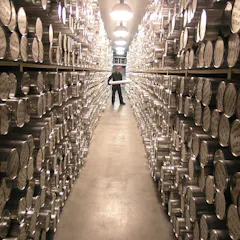
How can air bubbles trapped in ice for millions of years, or fossilised fern fronds, or the chemical make-up of rocks that were underwater in the distant past provide us with an inkling of our future…
New research has found that the release of forest emissions and smoke from wildfires had a far greater impact on global warming…
Top contributors
-

Professor of Biogeochemistry, Director of the Cabot Institute, University of Bristol
-
Research Associate, African Centre for Coastal Palaeoscience, Nelson Mandela University
-
Postdoctoral Research Assistant in Paleontology, GNS Science
-
Professor in Earth Sciences, Te Herenga Waka — Victoria University of Wellington
-
Research Fellow, Paleoclimatology, Northumbria University, Newcastle
-
Professor of Geosciences, UMass Amherst
-
Adjunct Professor, University of Queensland, and Professor and Head of School of Earth and Environment, University of Canterbury
-
Honorary Research Fellow, The University of Melbourne
-
Professor of Geology, Colorado College
-
Professor of Natural and Environmental Sciences, University of Toyama
-
Assistant Professor of Earth and Planetary Sciences, The University of Texas at Austin
-
Associate Professor of Geosciences, UMass Amherst
-
Associate Professor in Physical Geography, Northumbria University, Newcastle
-
Chief Vertebrate Preparator and Associate Research Scientist in the Museum of Paleontology and Department of Anthropology, University of Michigan
-
Associate professor, The University of Melbourne