
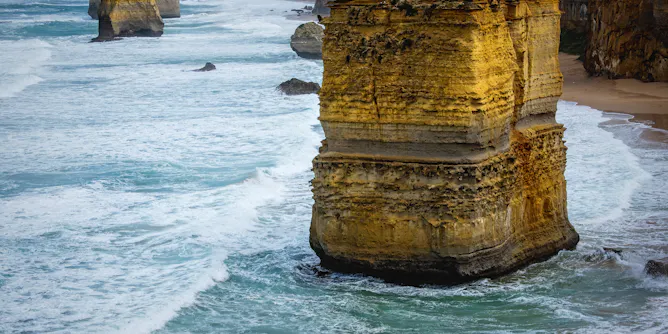
Australia’s iconic towering limestone stacks hold a detailed archive of millions of years of climate history.
Articles on Palaeoclimate
Displaying all articles
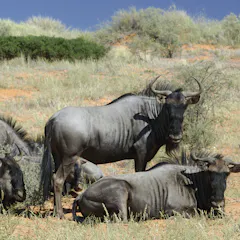
By studying antelope fossils, researchers can revisit long-standing questions about how the Cradle of Humankind’s environment evolved through time.

Australia’s giant Protemnodon kangaroos didn’t die out everywhere at the same time. Instead, extinction proceeded one habitat at a time.
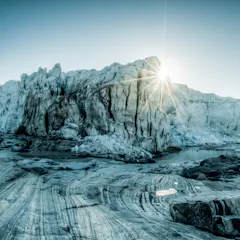
Hundreds of millions of years ago, rocks crushed under kilometres of ice injected vital nutrients into Earth’s oceans.

Otherworldly karst landscapes, such as Western Australia’s famous Pinnacles, hold clues about Earth’s climate history – and future.
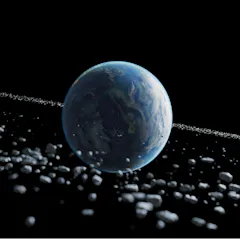
Mounting evidence suggests the rubble of an asteroid once formed a ring orbiting our planet’s equator.

Palaeontologist don’t just dig up dinosaur bones – they study the whole history of life on Earth, and uncover clues about its future too.
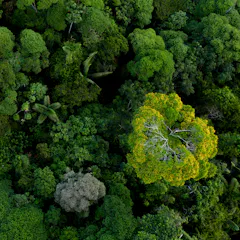
The fossil record suggests Australia may be much wetter, and look far different, in centuries and millenia to come.

Deep-sea sediments show how the changing orbits of Earth and Mars are linked to past global warming and the speeding up of deep-ocean eddies.
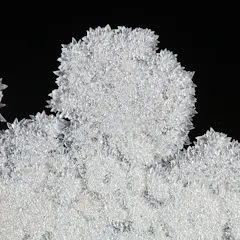
Despite cold temperatures, water was relatively abundant in much of the southern hemisphere during ice ages.

Climate models suggest North Africa will get drier in future. But its caves tell a different story.
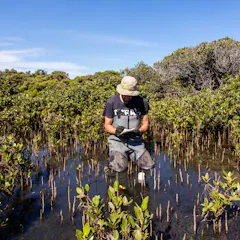
The last time methane in the air rose so fast, Greenland warmed by 10°C within decades.
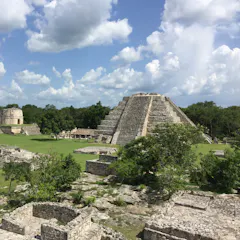
A change in climate may have triggered the decline and collapse of the Mayan city of Mayapán in the 15th century.
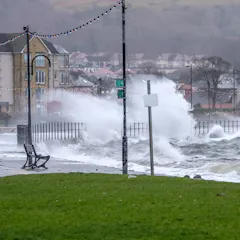
Ice Age glaciers can help us track the jet stream 12,000 ago, and by comparing its path today we can see how it’s moving northwards, changing weather patterns and indicating climate change.
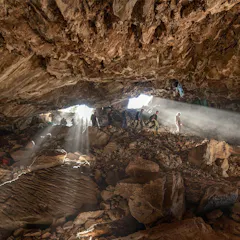
Stone tools found in a cave in Mexico have archaeologists rewriting the human history of the Americas.
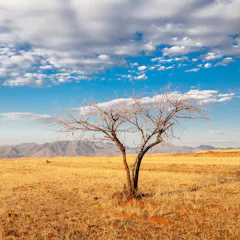
The last time global carbon dioxide levels were around 400ppm was four million years ago. On average, the world was 3°C warmer, but in high northern latitudes, it was up to 14°C warmer than today.
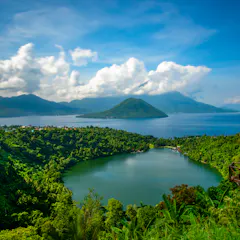
During the transitional period between the Pleistocene and Holocene epoch, the Earth’s temperature underwent massive change, forcing prehistoric humans in Indonesia to change their diet.
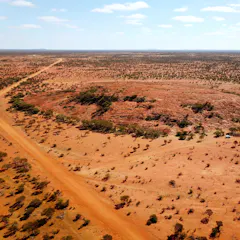
The Yarrabubba asteroid landed 2.2 billion years ago. Around the same time, the icy Earth went through a big thaw.
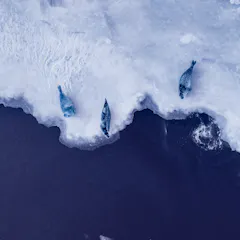
New research shows that warming by more than 2°C could be a tipping point for Antarctica’s ice sheets, resulting in widespread meltdown and changes to the world’s shorelines for centuries to come.
Top contributors
-

Professor of Geochronology, Curtin University
-
Honorary Research Fellow, The University of Melbourne
-
Associate professor, The University of Melbourne
-
Associate Professor, School of Earth and Planetary Sciences, Curtin University
-
Senior Lecturer, School of Earth and Planetary Sciences, Curtin University
-
Postdoctoral researcher in Geochemistry/Palaeoclimatology, University of California, Berkeley
-
Senior Lecturer, School of Biological Sciences, Adelaide University
-
Senior lecturer, UNSW
-
Professor of Earth Sciences, Royal Holloway, University of London
-
Senior Lecturer in Earth System Science, Northumbria University, Newcastle
-
Associate lecturer, Sorbonne Université
-
Lecturer in Geology, University of Tobruk
-
Professor in Earth Sciences, Te Herenga Waka — Victoria University of Wellington
-
Postdoctoral Research Fellow, UNSW
-
Professor emeritus, The University of Melbourne