
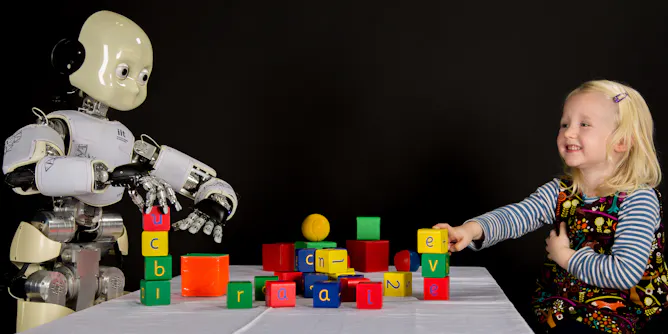
Teaching robots to care for us in old age will be child’s play.
Articles on Play
Displaying 101 - 120 of 147 articles
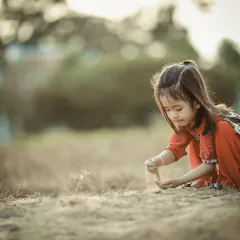
Children need to play and discover the world for themselves without too much restriction. Here are some ways we can enhance children’s opportunities to do this.

Parents are more willing to let children do their own thing in parks. It’s a chance for children to make their own decisions, explore their abilities and imaginations, and weigh up risks.
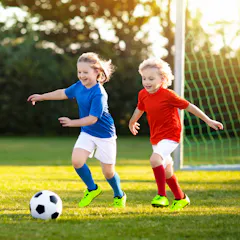
An observational audit found almost all of the parks in Sydney’s inner west were substandard. But perhaps even more important was the issue of access.
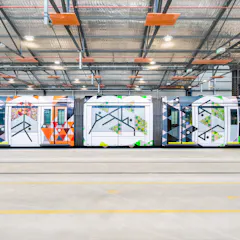
Melbourne has its first playable art tram – a 32.5-metre-long musical score played via augmented reality. So what’s the idea of playable trams and playable cities really about?
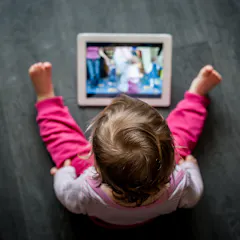
British three- and four-year-olds spend around four hours a day on screen time.
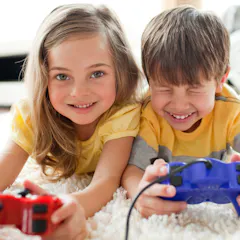
There’s so much more to video games than first person shooters.
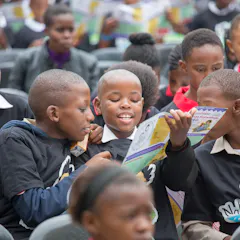
Parents often see reading as “school business” - something that teachers are responsible for.
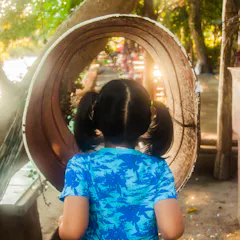
Recycled or scrap parts including tunnels, pipes, crates, foam, rubber and plastic parts make for better play equipment for kids than a fixed swing set.
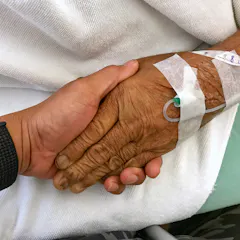
Health professionals need a dose of drama in their training to build clinical and interpersonal skills.

Children feel less frustrated and are allowed to be creative and expressive in spaces where they make choices.
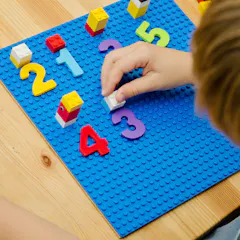
Through games and household tasks, parents can help their children learn basic math skills like counting, geometry and algebraic thinking.

Welcome to the wonderful world of kamishibai – a centuries-old Japanese storytelling tradition.

Sports fans are of two types: purists and partisans. The attitudes of both can affect the game. An expert explains which one you are and what that means.

Ken dolls with a ‘man bun’. Female superhero action figures. At long last, the gendered distinctions of the pink and blue toy aisles are starting to break down.
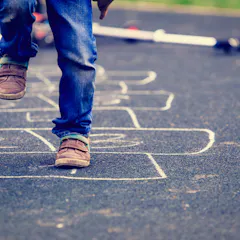
We shouldn’t save play for the playground.
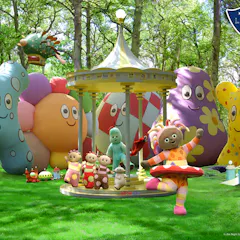
Upsy Daisy and the Tombliboos are finely tuned in to the developing minds of toddlers.

While some indoor trampoline parks operate to a high safety standard, others don’t, and there’s nothing compelling them to lift their game.
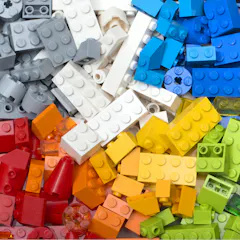
The power of play and how Lego is changing the world one brick at a time.
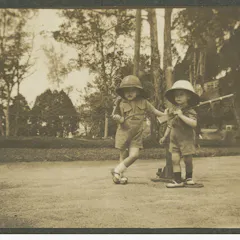
Australian children were once free to play on the streets, but today the urban space is less friendly to children and their imaginations.
Top contributors
-

Associate Professor of Education, Charles Sturt University
-
Adjunct assistant professor, North Carolina State University
-
Professor of Mobile Media and Games., RMIT University
-
Professor of Digital Learning and Play, Northumbria University, Newcastle
-
Associate Director and Researcher at the Developmental Pathways for Health Research Unit (DPHRU), University of the Witwatersrand
-
Assistant Professor of Psychology, Pace University
-
Associate Professor, Faculty of Arts and Design; Coordinator, Play, Creativity and Wellbeing Project, Centre for Creative and Cultural Research, University of Canberra
-
Injury epidemiologist | Health Data Scientist | Expert Witness, UNSW
-
Senior Lecturer in Early Childhood Studies, Charles Sturt University
-
Senior Lecturer in Psychology, University of Newcastle
-
VC Senior Research Fellow, RMIT University
-
Professor of Healthy Ageing, Australian Catholic University
-
Associate Professor of Developmental Psychology & Psychopathology, University of Leeds
-
Associate Professor in Landscape Architecture, Queensland University of Technology
-
Research Project Officer, School of Design, Queensland University of Technology