
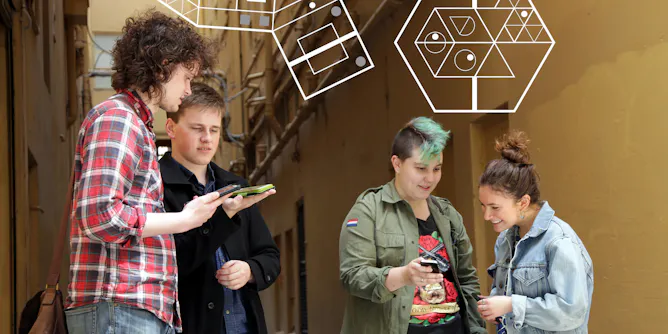
As adults we often trivialise the value of play. But playing games lets us play with possibilities, see how they play out – and exploring alternative realities helps us see the familiar in new ways.
Articles on Play
Displaying 121 - 140 of 147 articles
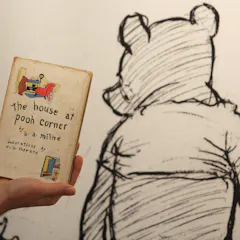
The bear of little brain has become a literary inspiration.
Ontario’s investment in a unique two-year, full-day and play-based kindergarten program is paying off. Could similar results happen elsewhere?
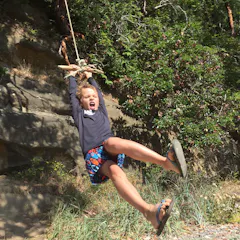
Did you know there has never been a safer time to be a child in Canada? Research shows that kids need freedom outdoors to explore exhilaration and fear, and discover their own limits.

It’s not all child’s play.

An early review of Patrick White’s A Cheery Soul said it ‘upset everybody who saw it’. But this extraordinary play, once a victim of 60s cultural cringe, marked a turning point in Australian theatre.
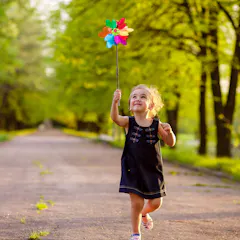
Exposure to nature plays a positive role in brain development by providing children with opportunities to take risks, discover new things, and be creative.

Forget about the expensive gifts, for young children, it’s all about the paper and the packaging this Christmas.
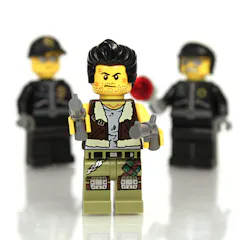
A new study says that LEGO is becoming weaponised. But play is more sophisticated than many adults think.
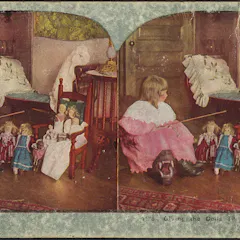
Research has found a relationship between pretend play and a child’s developing creativity, understanding of others and social competence with peers.
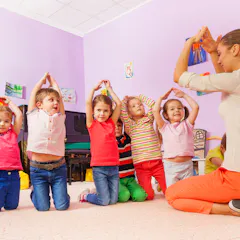
Testing takes the magic out of education – playful learning may be the answer.
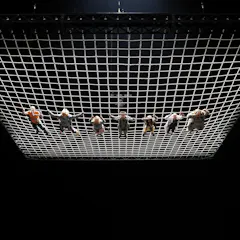
Jette Steckel has bought the Sydney Festival a version of Woyzeck that is as exciting, uncompromising and disturbing now as it was when it was first premiered in 1913.
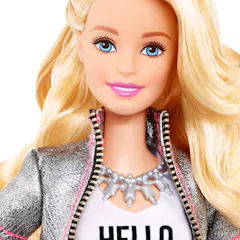
The new conversational Barbie doll may be good at keeping children entertained, but do we really know who’s listening in?
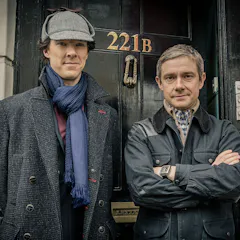
As Benedict Cumberbatch prepares to return to 221B Baker Street for a Sherlock Christmas Special, a great, unsolved mystery remains: what is the source of the detective’s enduring appeal?
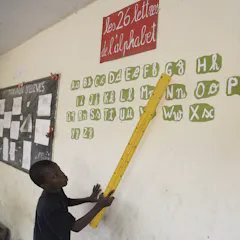
The benefits of learning through play are well documented. In rural communities in South Africa, “playing school” produces passionate lifelong readers.
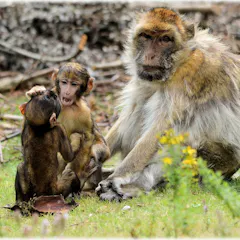
Infant monkeys who play more develop better motor skills even though they grow more slowly, a study has found.
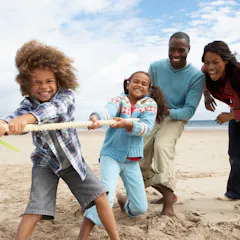
Globally, evidence points to children becoming less active because they would rather play computer games than be outdoors.

Inside the theme park where kids have to play at real jobs to earn a living.
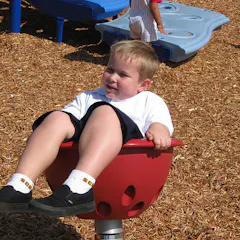
New research has found that fears of playground accidents such as falls have led to considerable changes in school playgrounds, reflecting a climate of over-policing and surplus rules and regulations.
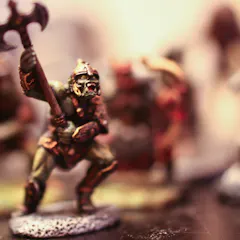
When conspiracy theorists label games and literature “Satanic,” what does it say about their own imaginations and ability to engage in play?
Top contributors
-

Associate Professor of Education, Charles Sturt University
-
Adjunct assistant professor, North Carolina State University
-
Professor of Mobile Media and Games., RMIT University
-
Professor of Digital Learning and Play, Northumbria University, Newcastle
-
Associate Director and Researcher at the Developmental Pathways for Health Research Unit (DPHRU), University of the Witwatersrand
-
Assistant Professor of Psychology, Pace University
-
Associate Professor, Faculty of Arts and Design; Coordinator, Play, Creativity and Wellbeing Project, Centre for Creative and Cultural Research, University of Canberra
-
Injury epidemiologist | Health Data Scientist | Expert Witness, UNSW
-
Senior Lecturer in Early Childhood Studies, Charles Sturt University
-
Senior Lecturer in Psychology, University of Newcastle
-
VC Senior Research Fellow, RMIT University
-
Professor of Healthy Ageing, Australian Catholic University
-
Associate Professor of Developmental Psychology & Psychopathology, University of Leeds
-
Associate Professor in Landscape Architecture, Queensland University of Technology
-
Research Project Officer, School of Design, Queensland University of Technology