
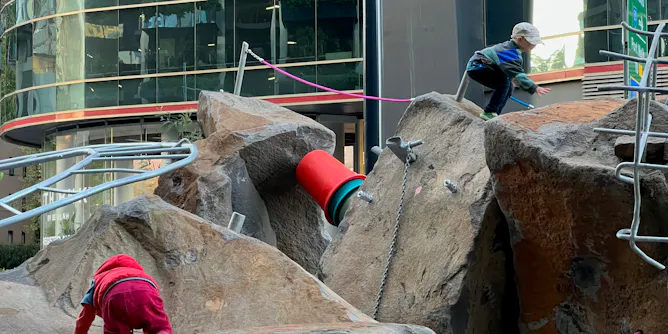
The new playground in Melbourne’s Southbank is the work of artist Mike Hewson – and it’s exactly the ‘risk’ it proposes that makes it so valuable.
Articles on Play
Displaying 61 - 80 of 147 articles

Psychosocial and economic stressors can affect health, but neither our doctors nor our health-care system have the tools to integrate these factors into diagnoses or care. Play offers an alternative.
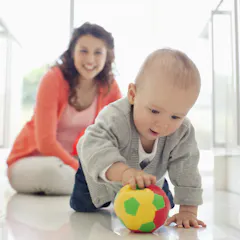
Even babies who are not yet standing or walking get lots of benefits from active movement – but most infants aren’t getting enough physical activity.
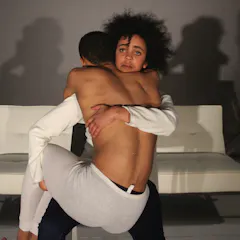
Winner of the Olive Schreiner Prize, What Happens was inspired by the discovery of a slave burial site.
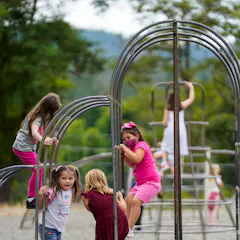
The physical activity and social connection that take place at recess help children be more engaged once back in the classroom.

Conflicts at recess, averaging one every three minutes, greatly disrupt children’s play activities. However, a well-designed school layout can reduce the problem.
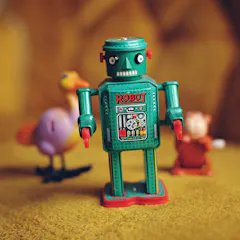
Here are some ideas for dealing with existing toys, as well as the upcoming influx of new ones.
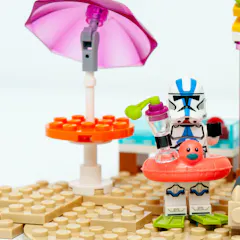
We reviewed research into gender stereotypes and biases in early childhood, and found gender as a social category develops early in life, and insight into some gender stereotypes begins early.
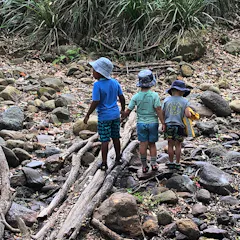
New research demonstrates the many aspects of nature play that make it a great way for young children to gain STEM knowledge.
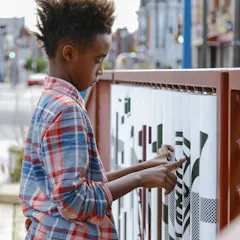
Scientists and local communities can work together to design interactive play spaces that build math and literacy skills.
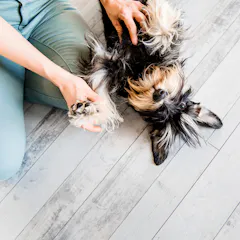
Talking to your dog really helps. Here’s what else you can do.
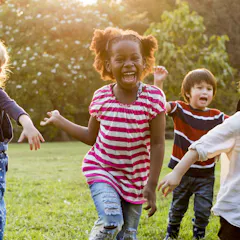
Communicating clearly with children and providing space for them to play will be vital during back-to-school and beyond as children manage stressors associated with COVID-19.
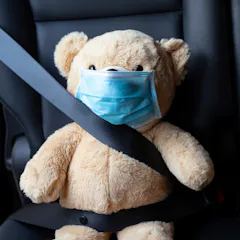
With a bit of preparation, role play and modelling the type of behaviour you’d like to see in your child, the process can be plain sailing.

Children use play to express themselves and process their emotions. Here’s how parents can make the most of play time together.
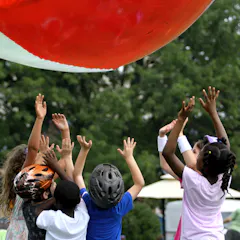
Public and community health experts highlight four ways that communities can collaborate to encourage physical activity and fun.
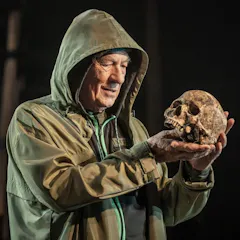
As COVID restrictions ease, Ian McKellen’s take on Hamlet reminds us of how theatres dealt with similar situations during the bard’s time.
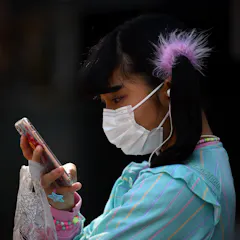
A psychologist explains why certain goals may be more effective than others in breaking screen habits.
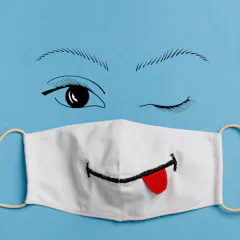
Do we need to just endure grumpy pandemic walks? Creative arts therapists offer tips about how to light up the important family and community connections and routines in your life.
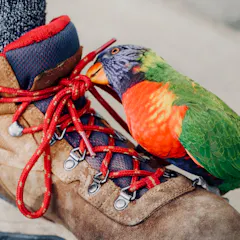
For the past 50 years, international animal cognition research has focused on how tool use is related to animal intelligence. But new research casts doubt on long-held assumptions.
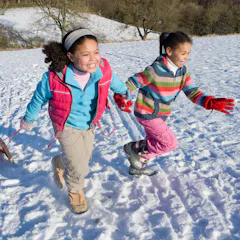
Supporting play begins with parents attending to their own wellness and seeing children as drivers of their own play.
Top contributors
-

Associate Professor of Education, Charles Sturt University
-
Adjunct assistant professor, North Carolina State University
-
Professor of Mobile Media and Games., RMIT University
-
Professor of Digital Learning and Play, Northumbria University, Newcastle
-
Associate Director and Researcher at the Developmental Pathways for Health Research Unit (DPHRU), University of the Witwatersrand
-
Assistant Professor of Psychology, Pace University
-
Associate Professor, Faculty of Arts and Design; Coordinator, Play, Creativity and Wellbeing Project, Centre for Creative and Cultural Research, University of Canberra
-
Injury epidemiologist | Health Data Scientist | Expert Witness, UNSW
-
Senior Lecturer in Early Childhood Studies, Charles Sturt University
-
Senior Lecturer in Psychology, University of Newcastle
-
VC Senior Research Fellow, RMIT University
-
Professor of Healthy Ageing, Australian Catholic University
-
Associate Professor of Developmental Psychology & Psychopathology, University of Leeds
-
Associate Professor in Landscape Architecture, Queensland University of Technology
-
Research Project Officer, School of Design, Queensland University of Technology