

There’s often limited evidence for many common types of surgery. Understanding what makes good evidence is the key to deciding what’s best for you.
Articles on Placebo
Displaying 21 - 40 of 43 articles

A placebo is an important tool for finding out if a treatment works or not. A dummy pill is one thing, but is it right to perform placebo surgery on someone?

Doctors break no law in using a placebo, but may cross an ethical boundary in choosing not deceive a patient, or to facilitate a patient’s self-deception.

Packaging and pricing have their own healing properties says an expert on the psychology of advertising.

Melancholia has a strong genetic contribution, so it’s largely biologically underpinned rather than caused by social factors (stressors) or psychological factors, such as personality style.

Whether an athlete has endured the repeated joint stresses of a marathon run, or the relentless battery of hits during a football match, many will opt for a post-activity polar plunge into an ice-cold…
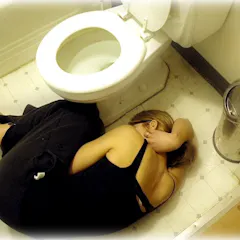
It’s unthinkable to give a placebo to someone to treat their cancer, but could we use one to treat chemotherapy’s well-known side effects? Unfortunately, we may never be able to answer this question because…
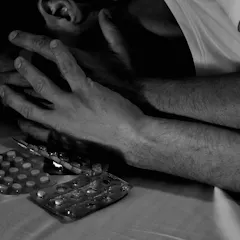
Seventeenth-century Oxford scholar Robert Burton’s lifework, The Anatomy of Melancholy, weighs in at a door-stopping 1,400 pages. But his cure for the “Black Choler” of depression came down to just six…
Sleep – elusive, precious, restful sleep – is a topic close of many of our hearts. Such is the importance of this activity that sometimes people cling on to half-baked ideas about it with an unnatural…

Placebos have a longer history than medicine as we know it, and have a huge effect on all kinds of diseases and health conditions. But it may now be time to rethink their role. The placebo made its debut…
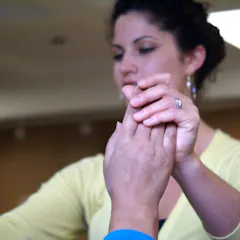
Muscle testing, or kinesiology, has grown in popularity over the last 30 years. It’s a simple, non-invasive assessment tool used by many different kinds of health practitioners during examination or evaluation…
The term hypnosis often leads to visions of willing participants engaging in outrageous and embarrassing stunts at the command of a hypnotist. But while this practice of humiliating participants on stage…

Reflexology is a form of manual therapy based on the principle that specific locations on the feet, hands and ears have connections to the rest of the body. By applying pressure to these locations using…

PANACEA OR PLACEBO – A weekly series assessing the evidence behind complementary and alternative medicines. Herbs have been used for therapeutic purposes in most cultures for hundreds and even thousands…
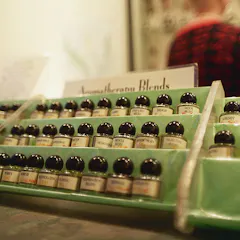
PANACEA OR PLACEBO – A weekly series assessing the evidence behind complementary and alternative medicines. Aromatherapy is based on the idea that aromatic substances, usually the essential oils of plants…
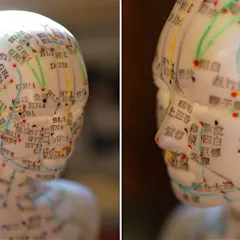
A recent, rather flattering, article on acupuncture on this website holds a mirror to a broader problem in the world of acupuncture research. A problem that goes to the heart of the most fundamental scientific…
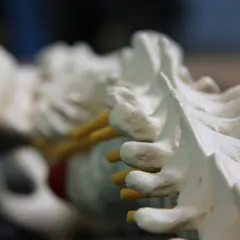
PANACEA OR PLACEBO – A weekly series assessing the evidence behind complementary and alternative medicines. Chiropractors use manual therapy to address musculoskeletal-related conditions (joints, ligaments…

PANACEA OR PLACEBO – A weekly series assessing the evidence behind complementary and alternative medicines. Colonic therapy – also known as colonic irrigation, colonic hydrotherapy or a high enema – is…
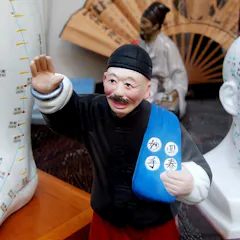
PANACEA OR PLACEBO – A weekly series assessing the evidence behind complementary and alternative medicines. Acupuncture has been practiced in China for over 2,500 years. During the reign of Emperor Huang…
PANACEA OR PLACEBO – A weekly series assessing the evidence behind complementary and alternative medicines. Myotherapy was developed by American Bonnie Prudden in the 1970s as a system of treating painful…
Top contributors
-

Professor and Director of the Stoneygate Centre for Excellence in Empathic Healthcare, University of Leicester
-
Conjoint Clinical Associate Professor, Deakin University School of Medicine and Specialist Pain Medicine Physician, Deakin University
-
Professor of Orthopaedic Surgery, UNSW
-
Pharmacist and Professor in Professional Ethics in Pharmacy, University of Sydney
-
Professor of Pharmaceutical Chemistry, Macquarie University
-
Adjunct Research Fellow in Bioethics, Monash University
-
Lecturer, University of Wollongong
-
Honorary Associate, Australian Institute for Primary Care and Ageing, La Trobe University
-
Course Director, Psychology of Advertising Masters Programme, Lancaster University
-
Emeritus Professor, Brunel University of London
-
Scientia Professor of Psychiatry, UNSW
-
Senior Research Fellow, Musculoskeletal Division, The George Institute for Global Health, University of Sydney
-
Conjoint Senior Lecturer, School of Medicine and Public Health, University of Newcastle
-
Professor/Director, Department of Anaesthesiology and Perioperative Medicine, Alfred Hospital and Monash University, Monash University
-
Associate Professor in Pharmacy Practice, University of Bradford