

Hot flushes, night sweats or swinging mood changes can be debilitating. So it’s tempting to look to complementary therapies. Here’s what the evidence says.
Articles on Complementary medicine
Displaying 1 - 20 of 52 articles

You can have a severe allergic reaction to this herbal medicine even if you’ve previously taken it without any problems.

The dose and quality of over-the-counter products can vary significantly. But there is some evidence several supplements may help with mild to moderate depression.

An Ayurvedic herb is causing a lot of excitement for it’s brain-boosting powers. Here’s what the evidence shows.

Some supplements claim they have ingredients that help you go to the bathroom less. Here’s what the science says about their effectiveness.

Surgical patients are opting out of opioids due to concerns about side effects and addiction. Combining methods to manage pain can take these fears into account without compromising on care.
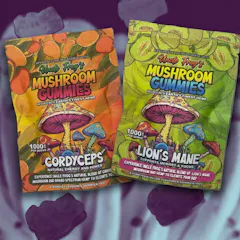
Several Australians have been hospitalised after consuming ‘mushroom gummies’. This highlights the challenges of regulating products that fall somewhere between a food and a medicine.

PanaNatra is a line of herbal products from the makers of Panadol. But can herbal ingredients relieve different types of pain?

More people are seeking out traditional forms of medicine, from acupuncture to herbal medicines. The WHO is working to develop standards to make these healing practices implementable on a wide scale.

There’s a common perception that supplements are harmless. But they can be dangerous at incorrect dosages.

Research suggests that alternative treatments for migraine, including physical therapy, massage and vitamin supplements, can make a difference.

Sales of vitamins are booming in pandemic times. But is there any evidence that vitamin and mineral supplements can protect you from COVID or help you recover from infection?

Many elite athletes turn to alternative therapies to improve performance and enhance recovery. But are these treatments helping or hindering their quest for sporting success?

Manufacturers of dietary supplements aren’t required to provide warnings to consumers about their potential risks. Here’s what to look out for.

From herbal remedies to acupuncture, traditional therapies are valued particularly by ethnically diverse groups.

Australian parents who visit complementary health practitioners are less likely to vaccinate their kids. But could these practitioners be best placed to educate sceptical parents about vaccination?

There is currently a weak process of checking claims made in advertisements for medicines, to ensure they don’t mislead or deceive consumers -this could be abandoned if a bill passes parliament.

Would you trust a complementary medicine described as “vermifuge”, “vulnerary” or “emmenagogue”? That’s what new labelling proposes and not everyone’s happy about it.

A review has recommended separating pharmacists from complementary and homeopathic products.

In many instances complementary medicines have no added benefit when compared to a placebo, or weak evidence of effectiveness.
Top contributors
-
Health activist, Medreach Pty Ltd., Bond University
-

Professor of Public Health, Southern Cross University
-
Professor of Pharmaceutical Chemistry, Macquarie University
-
Honorary Research Fellow, Macquarie University
-
Professor of Medicine, Monash University
-
Senior Lecturer in Pharmacology, Adelaide University
-
Clinical Trials Director, Department of Endocrinology, RPA Hospital, University of Sydney
-
Professor of Pharmacy, Queensland University of Technology
-
Postdoctoral Research Fellow in Public Health, Faculty of Health, University of Technology Sydney
-
Conjoint Clinical Associate Professor, Deakin University School of Medicine and Specialist Pain Medicine Physician, Deakin University
-
Researcher & Post-doc in Human Nutrition, University of Pretoria
-
Professor of Psychiatry, The University of Melbourne
-
Associate Lecturer, Queensland University of Technology
-
Biomedical Science/ Law student, Monash University
-
Visitor, Regulatory Institutions Network (RegNet) & Chair of Foundation for Effective Markets and Governance, Australian National University