
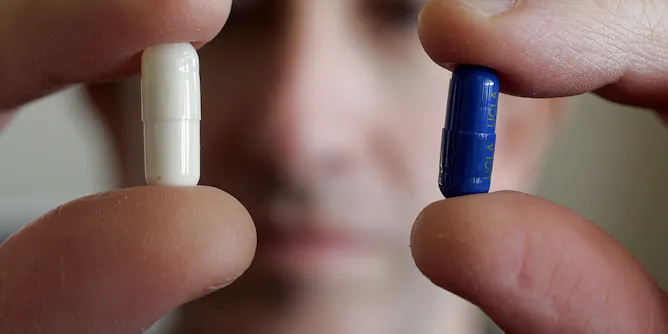
Understanding what a ‘control’ is can help you decide for yourself how insightful new studies are.
Articles on Placebo
Displaying 1 - 20 of 43 articles

The placebo effect is more than just mental – it’s a biological system that can measurably improve a patient’s symptoms. But someone else needs to activate it – creating a risk of manipulation.

Psychedelic therapy often promises transcendent mystical experiences. But research suggests context and expectation may matter more than the trip itself.

The health secretary has made many inaccurate statements about vaccines. But the science is clear that vaccines have dramatically reduced childhood illness, disability and death.
The nocebo effect is the opposite of the placebo effect. And it can affect what we think of medicines, and the side-effects we report.
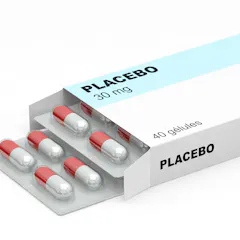
Placebos are the closest thing to magic that medicine has discovered.
A novel study from Switzerland used dummy pills to help people overcome bad guilt.

Our study also examined the way media coverage may affect a patient’s expectations of cannabis in treating pain.
Two political scientists in their study in South Dakota found people trusted medical professionals the least when it came to public health messages.
Drug manufacturers often shun the use of placebos in clinical trials. But research suggests that placebos could play an important role in the treatment of depression, pain and other maladies.
The mind is a powerful thing – it can generate both symptoms of illness and symptoms of healing. Here’s what this could tell us about consciousness.
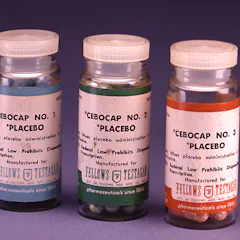
A whistle-stop tour of the history of placebos.
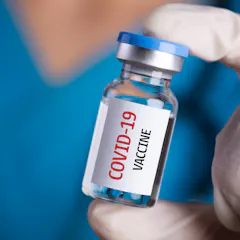
Researchers rarely report what’s in a placebo.

Drugs and vaccines to fight the coronavirus are already in clinical trials. It is important to understand the difference between each step in this process as efforts to fight COVID-19 continue.
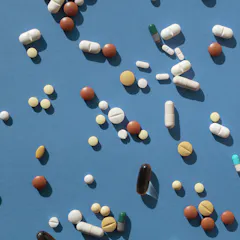
The only way to know if a medical treatment actually works is with a randomized-controlled trial.
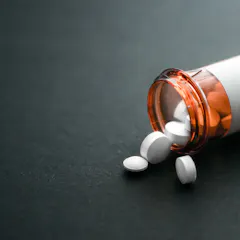
Placebos come in different shapes, colours that can all have different effects.

Clinical trials are used to establish that medicines work. But these don’t take into account the genetic differences between us that can mean very different outcomes for different patients.
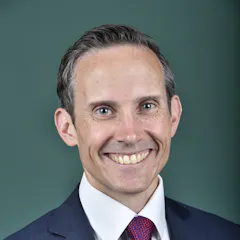
Economist, author and MP Andrew Leigh spoke to Fiona Fidler about how we should be using randomised trials more to drive decisions and policy in public life.
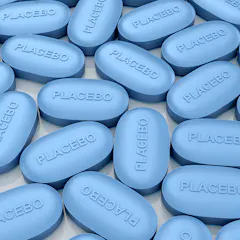
In many trials, patients have been told they’re getting the sugar pill. They still got better.
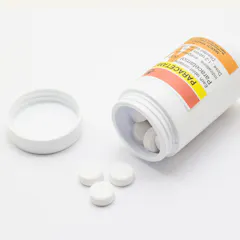
They’re often no more effective than placebo, but that shouldn’t necessarily stop us using them.
Top contributors
-

Professor and Director of the Stoneygate Centre for Excellence in Empathic Healthcare, University of Leicester
-
Conjoint Clinical Associate Professor, Deakin University School of Medicine and Specialist Pain Medicine Physician, Deakin University
-
Professor of Orthopaedic Surgery, UNSW
-
Pharmacist and Professor in Professional Ethics in Pharmacy, University of Sydney
-
Professor of Pharmaceutical Chemistry, Macquarie University
-
Adjunct Research Fellow in Bioethics, Monash University
-
Lecturer, University of Wollongong
-
Honorary Associate, Australian Institute for Primary Care and Ageing, La Trobe University
-
Course Director, Psychology of Advertising Masters Programme, Lancaster University
-
Emeritus Professor, Brunel University of London
-
Scientia Professor of Psychiatry, UNSW
-
Senior Research Fellow, Musculoskeletal Division, The George Institute for Global Health, University of Sydney
-
Conjoint Senior Lecturer, School of Medicine and Public Health, University of Newcastle
-
Professor/Director, Department of Anaesthesiology and Perioperative Medicine, Alfred Hospital and Monash University, Monash University
-
Associate Professor in Pharmacy Practice, University of Bradford