

It is easy to feel jaded in a time of catastrophe but there is a compelling moral argument for us to work towards a better world.
Articles on Philosophy
Displaying 241 - 260 of 746 articles
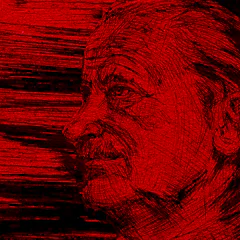
German philosopher Martin Heidegger was one of the 20th century’s most feted thinkers. A new book examining his Nazism in light of the now-available evidence, is a troubling, timely read.

Environmental debates often centre proposals for curtailing emissions, without addressing how we got into this mess and how we might get out. A radical new book ponders the alternatives.

In between pitches, it might seem as if nothing is going on. But the game’s drama is still unfurling – you just need to know what to look for.

Everything, Everywhere, All at Once invokes Daoism, the Chinese school of thought that pursues balance and harmony.

Maintaining a functional and lively civil society in Ukraine is crucial to keeping supplies moving and keeping up the morale of the country.

We talk about ‘fiscal responsibility’ but rarely are a government’s annual accounting exercises assessed in ethical terms.

AI chatbots can’t take responsibility for what they say, so we shouldn’t trust them.

Wollstonecraft was ridiculed in her time for the idea that women should be treated as fully fledged beings.

Two concepts can help explain why society seems increasingly unable to agree on basic facts.

We ought to want student essays to reflect understanding, judgment and caring, something beyond ChatGPT.

A philosopher unpacks the ‘ethics of belief’ for an age awash in bad information.
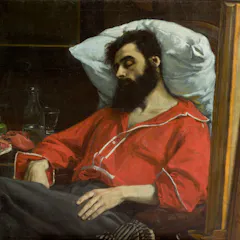
With euthanasia laws proliferating around the world, Caitlin Mahar’s The Good Death Through Time is a valuable exploration of the history of our shifting views on dying well.

Not all writing about the soulmate is positive – an expert in the philosophy of love explains the concept’s thorny history.

Stoicism is having a cultural moment, with bestselling books and podcasts taking this ancient philosophy to a new audience. But there are problems with Stoicism, both in its modern and ancient forms.

Susan Sontag’s sense of the danger of a photographic relationship to reality is not only relevant today, but positively prescient.

Truth is fundamental to our lives. Human beings cannot exist without truth, but this concept is more complex than we think.

AI models are increasingly being used to make important decision about people’s lives – just take Robodebt. Yet the complexity of these systems means we hardly understand them.

The rise of AI chatbots provides an opportunity to expand the ways we do philosophy and research, and how we engage in intellectual discourse.

Tantrums and overflowing nappies are no fun. But happiness is more than a bunch of pleasant feelings, as influential philosophers have argued.
Top contributors
-

Professor in Philosophy, Australian Catholic University
-
Associate Professor of Philosophy, Deakin University
-
Associate Professor of Philosophy of Education, University of Birmingham
-
Professor of Philosophy, La Trobe University
-
Senior Lecturer in Philosophy and Education; Curriculum Director, UQ Critical Thinking Project, The University of Queensland
-
Deputy Director, Institute for Ethics, Governance & Law, Griffith University
-
Associate Lecturer, University of Notre Dame Australia
-
Honorary Associate in Philosophy, University of Sydney
-
Professor, Philosophy of Science, The University of Melbourne
-
Professor of Philosophy, University of Pretoria
-
Senior Lecturer in Philosophy and Ethics, Nottingham Trent University
-
Assistant Professor in Philosophy and History, Bond University
-
Researcher, UQ Critical Thinking Project, The University of Queensland
-
Associate Professor in Philosophy, University of Nottingham
-
Lecturer in Philosophy, Queen's University Belfast