

Pressure from trade agreements can clean up sources of environmental harm, leading to cleaner rivers in the case of Mexico’s much-loved avocados.
Articles on Environmental pollution
Displaying 1 - 20 of 25 articles
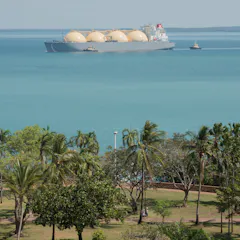
Giant gas companies are “hot venting” toxic gases known to be unsafe for humans at any concentration.
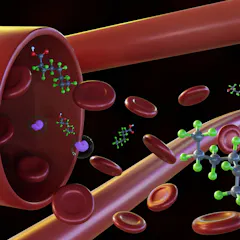
Your body likely contains an accumulation of various PFAS types, making it difficult to trace them to their sources.

Recycling metals from e-waste will be critical as demand for raw materials is likely to outstrip supply in the near future.

Once these chemicals are in an environment they almost never break down.
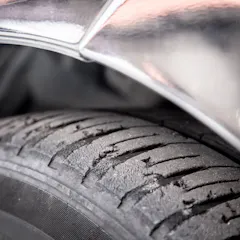
Tiny flakes of plastic, generated by the wear and tear of normal driving, eventually accumulate in the soil, in rivers and lakes, and even in our food.

Nigeria must enforce its environmental laws to protect people living in the Niger Delta and their environment.
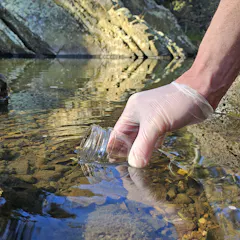
If you’re worried about pollution in the air we breathe, water we drink and food we eat, take time out to explore the evidence of harm and digest some practical advice on how to reduce your exposure.

Nanoplastics have been found in the brain, lungs, arteries, semen and placenta. But the harms are still unknown.

PFAS are commonly found in waterproof clothing, stain-resistant textiles, cosmetics and cookware. Here’s how to best minimise your exposure to these forever chemicals.
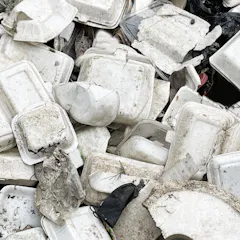
Plastic tax would work better than a ban in Lagos, Nigeria.

Nano-enabled pesticides could pose huge risks and they aren’t being regulated effectively enough yet.

Synthetic chemicals found in ski wax have been found in the snow and soil on ski slopes and could pose a toxic threat to the environment.
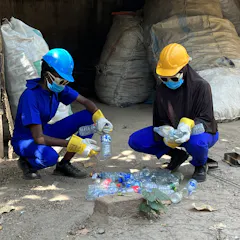
Banning single-use plastics in Nigeria is a step in the right direction. But its success will depend on provisions made for enforcement.

Since the 1950s, billions of tons of plastic have been produced and much of it ends up in the environment – even at the bottom of lakes in Finland.

Millions of people worldwide are exposed via soil and water to arsenic, whether naturally occurring or related to pollution. Chronic exposure is linked to the formation of cancer stem cells.

Caracals are most likely being exposed to metals like arsenic, lead and mercury through their diet.

The common timber treatment CCA is made up of heavy metals copper, chromium and arsenic. They don’t decompose and leach into soil and water. Why does New Zealand still allow its use?
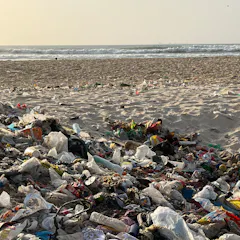
West Africa’s marine litter problem cannot be ignored. It can hinder the region’s economic and tourism growth, while putting people’s health at risk.
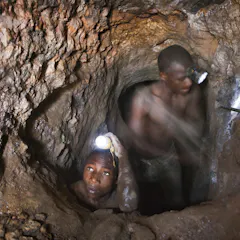
Coltan is indispensable to the making of modern electronic devices but its mining causes human and environmental disasters in the DR Congo.
Top contributors
-

Associate Professor of Environmental Health, University of Birmingham
-
Researcher in Ecology, University of Georgia
-
Postdoctoral Researcher at Leiden University, Associate Scientist II at Stowers Institute, Developmental Biology, Molecular Biology and Nanotoxicology, Leiden University
-
Research fellow, Obafemi Awolowo University
-
Professor, Faculty of Humanities, HOPE Chair in Peace & Health, McMaster University
-
Director, Strategic Research Initiatives, Macquarie University
-
Associate Professor in Water Quality, University of Leeds
-
Postdoctoral Fellow, Centre for Interactive Research on Sustainability, University of British Columbia
-
Assistant Professor of Environmental Health Sciences, Florida International University
-
Assistant Professor, Faculty of Health Sciences; Senior Scientist, Pacific Institute on Pathogens, Pandemics and Society, Simon Fraser University
-
Associate Professor, Department of Geography, University of Nottingham
-
Honorary Professor, School of Natural Sciences, Macquarie University
-
Lecturer in Geography, Loughborough University
-
Senior Research Fellow and NHMRC Emerging Leadership Fellow, Macquarie University
-
Associate Professor in Wood Science, University of Canterbury