

More northern Europeans are thinking about adding air conditioning. But there’s a lot to consider before making a decision.
Articles on Passive cooling
Displaying all articles
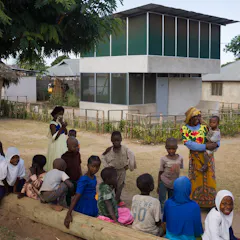
A three year study of Tanzanian children found that changing the way homes are designed can prevent diarrhoea, pneumonia and malaria, and help children grow taller.
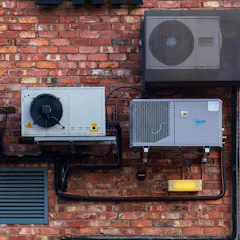
There are many ways to cool down – or avoid getting hot in the first place.
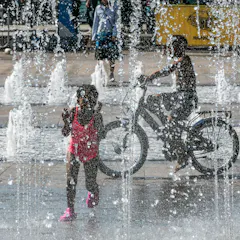
Resilience is possible, but it requires forward planning.
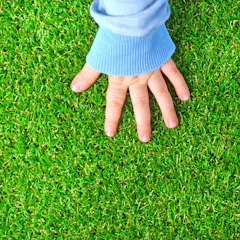
On a hot summer’s day in Melbourne, the artificial turf hit a top temperature of 72°C. This is sufficient to cause irreversible skin burns in just ten seconds.
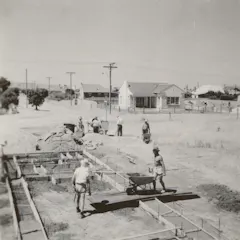
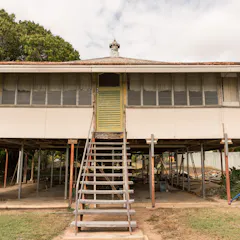
When Australia faced a housing crisis 80 years ago, the government was urged to promote the building of more climate-responsive homes. So why are so many homes today still not made for our climate?
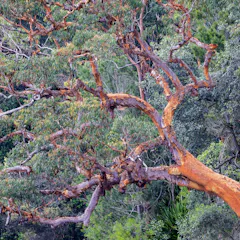
The loss of so many trees in Sydney’s Castle Cove represents the theft of environmental benefits and services from future generations of Australians.

Air conditioners are rare in some European countries, but the climate crisis could change that.
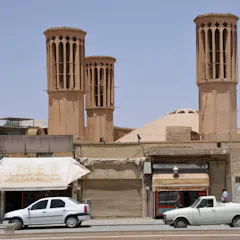
Follow The Conversation Weekly podcast for new episodes every Thursday.
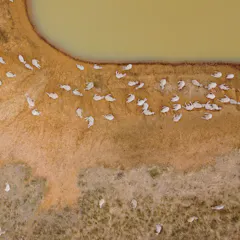
This is not an imaginary future dystopia. It’s a scientific projection of Australia under 3°C of global warming – a future we must both strenuously try to avoid, but also prepare for.
City dwellers are individually starting to do their bit to live sustainably. Now pioneering businesses are aiming to make ecological and social sustainability part of their bottom line.
The latest heatwave put huge pressure on our electricity grid, as Australians turned on their air conditioners. Smarter design and regulations could solve the problem.
Top contributors
-

Associate Science Editor & Co-Host of The Conversation Weekly Podcast, The Conversation
-
Postdoctoral Scholar and Assistant Professor, Taubman College of Architecture and Urban Planning, University of Michigan
-
Senior Lecturer, Nottingham Trent University
-
Professor of Architectural Engineering, Al-Nahrain University
-
Host, The Conversation Weekly Podcast, The Conversation
-
Professor of Economic Geography, Institute for Culture and Society, Western Sydney University
-
Senior Lecturer - Energy, Queensland University of Technology
-
Visiting Research Fellow (Bioclimatic Design), University of Leeds
-
Professor, School of the Environment, The University of Queensland
-
Senior Research Associate, School of Agriculture, Food and Ecosystem Sciences, The University of Melbourne
-
Professor Emerita, Department of Biological Sciences, Macquarie University
-
Associate Professor in Architecture, Adelaide University
-
Senior Research Fellow and Curator, Architecture Museum, Adelaide University
-
Research Fellow in Urban Microclimates, The University of Melbourne
-
Professor in Urban Horticulture, The University of Melbourne