
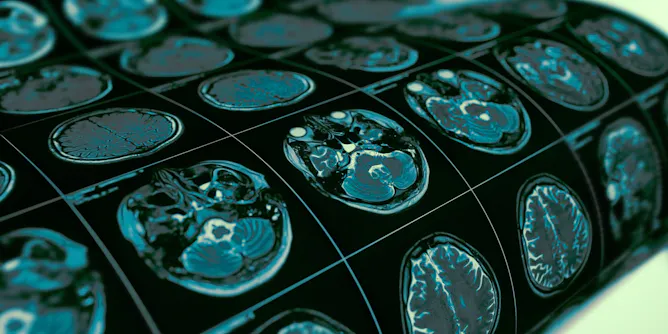
New research shows people in specific Polynesian communities have a much higher rate of a form of Parkinson’s disease considered rare elsewhere.
Articles on Parkinson's disease
Displaying 21 - 40 of 132 articles
Concussion is considered a ‘mild’ injury, but effects can last a lifetime, especially with multiple impacts. Understanding their long-term effects can help predict who might develop neurodegeneration.
As the powerhouse of the cell, mitochondria lie at the intersection of many essential biochemical pathways. When they go awry, neurodegenerative diseases can result.

Do you tend to exercise mainly on the weekends? A new study finds this could offer equivalent benefits for brain health and mental health as staying active throughout the week.

A study has suggested that consuming ecklonia cava – a type of brown algae – could prevent or delay the onset of Parkinson’s disease.

Your walking speed in middle age can be a good predictor of your health in later life.

A lack of dopamine seems to directly cause social problems.

No treatments are currently available to cure Parkinson’s disease. Better understanding the genetic foundation of this condition can help researchers find ways to slow or halt its progression.

The science of smell is an exciting area of research.

Microscopic flakes of polystyrene can enter brain cells and cause harm, a new study in mice has shown.

This centuries old martial art was shown to reduce the severity of symptoms in the long-term.

Aerobic exercise appears to be particularly beneficial.

The surprising parallel between spider silk spinning and fibres toxic to humans could lead to new clues about how to fight neurodegenerative disorders.

REM sleep behavior disorder is characterized by acting out dreams, which may include shouting, kicking and punching during sleep.

This AI tool showed promise for early diagnosis. It also pointed to chemicals that may reduce or increase the risk of Parkinson’s.
Our understanding of Parkinson’s disease is far from complete. But researchers now believe that in most cases, Parkinson’s is caused by a complex interaction between genetic and environmental factors.

Children who had persistent bad dreams were over six times more likely to develop Parkinson’s disease than children who never had bad dreams.

A THC-like substance that occurs naturally in humans and other vertebrates helps maintain immunity, memory, nerve function and more – and research suggests a lack of it can harm health.
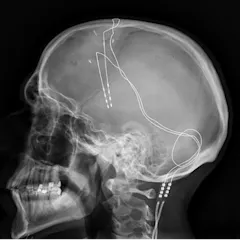
Deep brain stimulation and trasncranial magnetic stimulation treat mental illness by sending electrical currents into parts of the brain. Every new patient provides researchers with a wealth of information. Listen to The Conversation Weekly podcast.
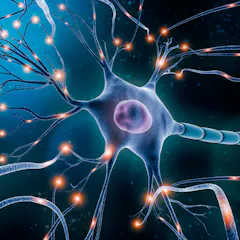
This technique could also be applied to other conditions, such as Parkinson’s disease.
Top contributors
-

Professor of Neuroscience, Royal Veterinary College
-
Professor of Neurology, Norman Fixel Institute, University of Florida
-
Professor and Head of Department of Anatomy & Neuroscience, University College Cork
-
Associate Professor, School of Biomedicine, Adelaide University
-
Clinical Research Fellow, Imperial College London
-
Professor of Physical Activity, Lifestyle, and Population Health, University of Sydney
-
Senior Post-Doctoral Researcher, University College Cork
-
Senior Research Fellow, Monash University
-
Honorary (Professorial Fellow) at the Centre for Neuroscience, The University of Melbourne
-
Associate Professor, Neurology, University of Florida
-
Computational Neuroscientist and NIHR Academic Radiology Resident, University of Oxford
-
Professor of Health Law and Bioethics, Case Western Reserve University
-
Reader in Neurology and Neuroepidemiology, Queen Mary University of London
-
Associate Professor of Neuroscience, University of Oxford
-
Associate Professor in Sociology and Anthropology, Monash University