
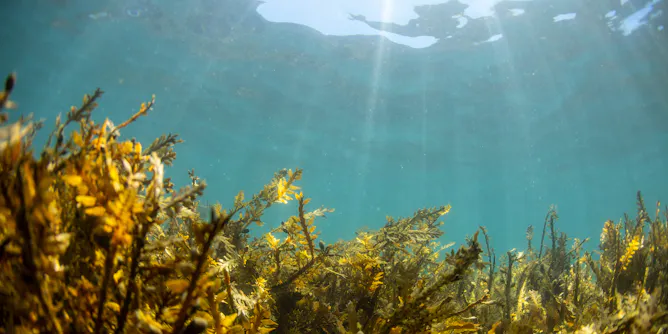
A study has suggested that consuming ecklonia cava – a type of brown algae – could prevent or delay the onset of Parkinson’s disease.
Articles on Parkinson's research
Displaying all articles

No treatments are currently available to cure Parkinson’s disease. Better understanding the genetic foundation of this condition can help researchers find ways to slow or halt its progression.

This AI tool showed promise for early diagnosis. It also pointed to chemicals that may reduce or increase the risk of Parkinson’s.

A THC-like substance that occurs naturally in humans and other vertebrates helps maintain immunity, memory, nerve function and more – and research suggests a lack of it can harm health.

If governments want to tackle drug use, targeting those at most risk is a better strategy than mass campaigns.

The treatment is called ‘expiratory muscle strength training’; it is an exercise program targeting the muscles used when you swallow or cough.

Parkinson’s results from the deterioration of neurons in part of the brain called the basal ganglia.
Our study found lower levels of one type of immune cell – which may even be seen years before a person develops the disease.
Neurotrophic factors play an important role in protecting neurons – which is why researchers are investigating them as a treatment for Parkinson’s.
Parkinson’s disease may be diagnosed by looking for subtle changes in eye movements and thinning of retina layers.
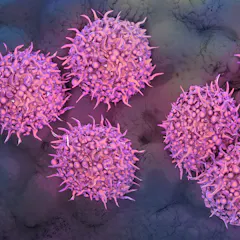
Thomas Durcan’s lab is growing 3D mini-brains in the search for a cure for Parkinson’s disease. Over the next year he is giving all his lab’s protocols, methods and results away.
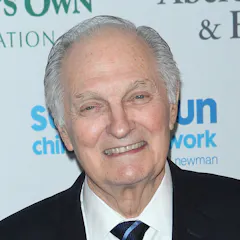
Alan Alda announced July 31, 2018 that he’s been living with Parkinson’s Disease. An expert on the disease explains new drugs and treatments.

There’s optimism that the identification of genes linked to Parkinson’s could lead to better treatments.
Top contributors
-

Associate Professor of Neuroscience, University of Oxford
-
Computational Neuroscientist and NIHR Academic Radiology Resident, University of Oxford
-
Professor of Ophthalmology, UCL
-
Adjunct Professor at the National Drug Research Institute (Melbourne based), Curtin University
-
Professor and Head of Department of Anatomy & Neuroscience, University College Cork
-
Professor of Pathology, Microbiology and Immunology, University of South Carolina
-
Reader in Neurology and Neuroepidemiology, Queen Mary University of London
-
Assistant Professor, Neurodegenerative disorders, McGill University
-
Professor of Neurology, University of Florida
-
Professor of Chemistry, UNSW
-
Project Manager and Adjunct Associate Lecturer, University of Newcastle
-
Professor of Pathology, Microbiology and Immunology, University of South Carolina
-
Professor of Neurology, Radboud University
-
Senior Lecturer, Curtin University
-
Fulbright and Scientia PhD Scholar, UNSW