
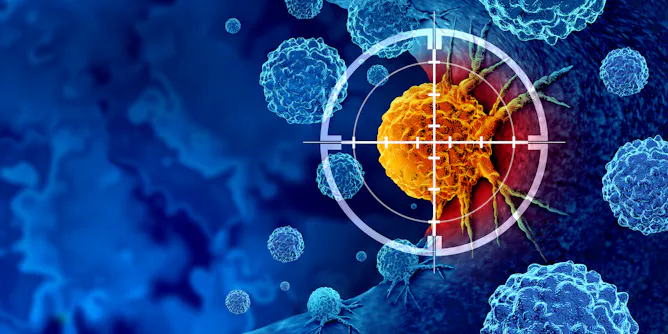
Around 97% of patients with advanced pancreatic cancer die within five years. Researchers have figured out a way to target the mechanism that makes these tumors so deadly.
Articles on Metastatic cancer
Displaying all articles
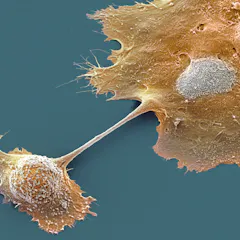
Around 97% of patients with advanced pancreatic cancer die within five years. Researchers have figured out a way to target the mechanism that makes these tumors so deadly.

Researchers are studying liposomes to understand and block the spread of metastases, paving the way for new cancer treatments.

That depends on a number of factors, including the cancer you had initially, as well as your genes, environment and lifestyle.
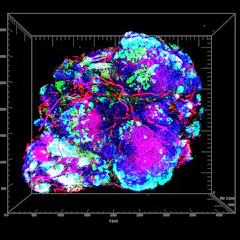
Some cancers are notoriously resistant to chemotherapy and not curable with surgery. Stopping tumors from adapting to the harsh microenvironments of the body could be a potential treatment avenue.

A diagnosis of metastatic breast cancer means having cancer for the rest of one’s life – a situation with very different needs and concerns compared to earlier stages of the disease.

Alex Trebek announced this week that his pancreatic cancer is in remission. A pancreatic cancer specialist explains the difficulties of the disease as well as new treatment advances.
Top contributors
-

Professor of Medical Oncology, University of Colorado Anschutz
-
Senior Research Officer, Blood Cells and Blood Cancer Division, WEHI (Walter and Eliza Hall Institute of Medical Research)
-
Professor of Pathology, University of California, San Diego
-
Postdoctoral Scholar in Pathology, University of California, San Diego
-
Professor of Sociology, Ball State University
-
Senior Scientist in Pathology, University of California, San Diego
-
Professeur titulaire, École de technologie supérieure (ÉTS)
-
Senior Lecturer in Cancer Epidemiology, Adelaide University
-
Associate Professor of Medicine, University of Pittsburgh