
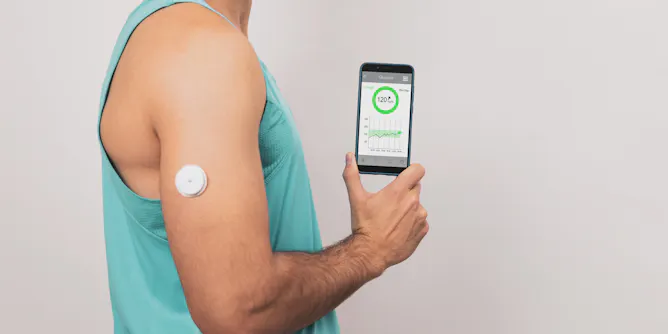
Tracking glucose numbers in real time is an increasingly popular wellness trend, but monitoring a constant stream of data can lead to confusion and needless anxiety.
Articles on Blood glucose
Displaying all articles

The modernisation of small towns, while positive economically, brings hidden health costs.

New insights into the diabetes-dementia connection.

Type 1 diabetes develops when the body destroys its own insulin-producing cells. Using stem cells to replace them could be a way to get around donor shortages and transplant complications.

Time-restricted eating first emerged as a diet for weight loss. But it can also help people with type 2 diabetes manage blood sugar levels.

Alarmingly, there are influencers suggesting glucose should never ‘spike’ and should always remain within a very tight range, even immediately after meals.
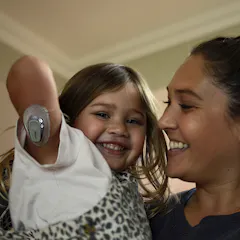
On the centenary of insulin’s first use, doctors, researchers and people with diabetes are asking why New Zealand lags other countries in funding the latest devices to monitor blood sugar.
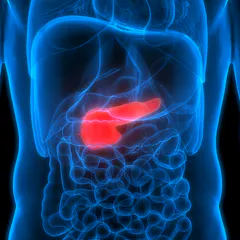
Large new study identifies very early risk factors for pancreatic cancer.

It sounds too good to be true. But the science on how different types of foods affect your glucose levels has been known for a long time.

Proponents of intermittent fasting say the clock can help you win the battle of the bulge. But the science behind it is a little more complicated.
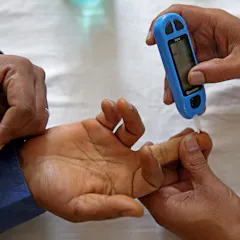
Just over 10% of the world’s adults now live with diabetes and the COVID pandemic saw many people sitting down for longer periods – but small daily changes can improve health.

A growing body of research shows that nutrition, sleep, exercise and a host of other lifestyle choices can help optimize the immune system. But they are no substitute for life-saving vaccines.

A small patch allows people with diabetes to measure their blood glucose levels easily. But this technology isn’t currently subsidised, so many everyday Australians who could benefit are missing out.
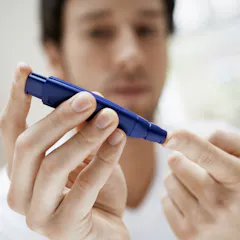
A key part of preventing secondary medical problems from diabetes involves glucose monitoring. For National Diabetes Month, a researcher describes her work on a self-powered monitor.

Research in animals and humans shows periods of fasting before and after chemotherapy protects healthy cells while killing cancerous ones more efficiently.

Metformin has been used to treat diabetes since the late 1950s. It is now on the World Health Organisation’s List of Essential Medicines needed for a basic health care system.

“Hangry” is an amalgam of hungry and angry that describes the distinct grumpiness that some people experience when they haven’t eaten for a while. Ring a bell?
Top contributors
-

Executive Director, Frank Reidy Research Center for Bioelectrics, Old Dominion University
-
Professor of Medicine, Monash University
-
NHMRC Senior Research Fellow in the School of Human Sciences, The University of Western Australia
-
Research & Teaching Academic, The University of Queensland
-
Professor of Medicine and Director, Healthier Lives–He Oranga Hauora National Science Challenge and Co-Director, Edgar Diabetes and Obesity Research Centre, University of Otago
-
Dean of the College of Health Sciences, University of Memphis
-
Research Manager, Edgar Diabetes and Obesity Research Centre; Science Communicator, Healthier Lives–He Oranga Hauora National Science Challenge, University of Otago
-
Professor and Laboratory Head of Physical Activity, Baker Heart and Diabetes Institute
-
Associate Professor, Nutrition and Dietetics, Bond University
-
Professor and Group Leader, Obesity & Metabolism, Adelaide University
-
Assistant Professor of Nutritional Sciences, Oklahoma State University
-
Lecturer, University of the Witwatersrand
-
Research Fellow, Iverson Health Innovation Research Institute, Swinburne University of Technology
-
Lecturer, School of Health, Nutrition & Dietetics, University of the Sunshine Coast
-
Assistant Professor, Imperial College London