

A palliative care doctor discusses his interactions with his patients: “I wouldn’t know what I would want were I in their shoes,” he says.
Articles on Palliative care
Displaying 61 - 80 of 102 articles

Our study found people held narrow, often inaccurate and outdated understandings of palliative care.
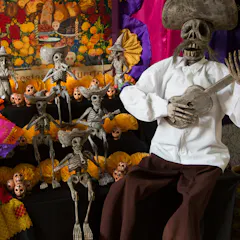
Australia has few public rituals around death, leaving people to figure out how to process grief alone. But Mexico’s Day of the Dead, with its focus on art and community, could help us cope better.

Here are some tips if you are looking after someone who is nearing the end of their life.

While there are similarities in the general principles of palliative care provided to children and adults, there are also key differences.

When a person has a serious illness, palliative care aims to improve that person’s quality of life.
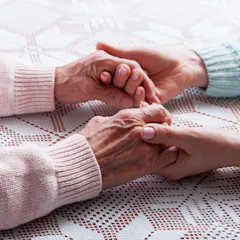
One would think governments would do all they could to ensure palliative care is available to all who need it. This is not the case in Australia today.
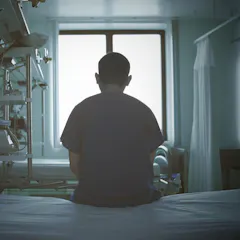
Teaching students to care for the dying requires specific skills that the student may not encounter in their ordinary clinical teaching.
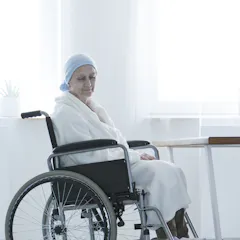
More than 2,000 Canadians have chosen medical assistance in dying (MAID) since legalization in 2016. But palliative care doctors aren’t embracing assisted suicide as part of their job.

The Victorian law provides if a child has made a valid advance directive including instructions to refuse a particular medical treatment, a health practitioner must not provide that treatment.

There are some myths about dying that perhaps unexpectedly harm the dying person and deserve scrutiny.

Millions of people are affected by death and dying – but politicians don’t want to talk about it.
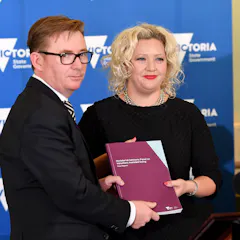
Public opinion, shifting views in the health profession and international trends allowing assisted dying mean it will be lawful in Australia at some point. But will it be lawful in Victoria soon?
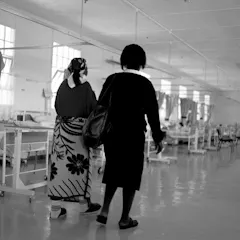
Palliative care improves the quality of life for patients and families facing problems associated with life threatening illnesses.

Imagine this situation: a person has no medical illness but wishes to end his or her life purely because he or she no longer wishes to live. Should they be eligible for euthanasia or assisted suicide?

We use euphemisms about death and dying to soften the blow of the real words, or because we feel awkward being direct. But this can lead to misunderstanding and confusion.
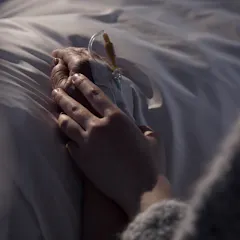
Discussing end-of-life care -helps patients, their families and their healthcare teams plan for the future and end of life care.
Better technology to diagnose, treat and manage the disease early enough is needed to improve the survival rates of childhood cancer in sub Saharan Africa.

Euthanasia and palliative sedation are categorically distinct, so the notion that we can use the latter to achieve the former is untenable.
Antipsychotic medications for delirium don’t work and could harm, a new study shows. So what options are left?
Top contributors
-

Distinguished Professor, Professor of End-of-Life Law and Regulation, Australian Centre for Health Law Research, Queensland University of Technology
-
Professor of Law, Australian Centre for Health Law Research, Queensland University of Technology
-
Matthew Flinders Professor and Director of the Research Centre for Palliative Care, Death and Dying, Flinders University
-
Consultant Neonatologist and Professor of Ethics, University of Oxford
-
Associate Professor of Medicine, Deakin University
-
Assistant Professor of Palliative Medicine, Aga Khan University
-
Senior Lecturer in Palliative Care, Flinders University
-
Honorary Enterprise Professor, School of Population and Global Health, and Department of General Practice and Primary Care, The University of Melbourne
-
NIHR Clinician Scientist and Honorary Consultant in Palliative Medicine, King's College London
-
Research Associate, Palliative and Supportive Services, Flinders University
-
Associate professor, Australian Catholic University
-
Research Fellow, Department of Medicine, The University of Melbourne
-
Palliative Medicine Physician, Senior Research Fellow, The University of Melbourne
-
Professor, VCCC Chair of Palliative Medicine, The University of Melbourne
-
Professor of Medical Sociology, University of Glasgow