
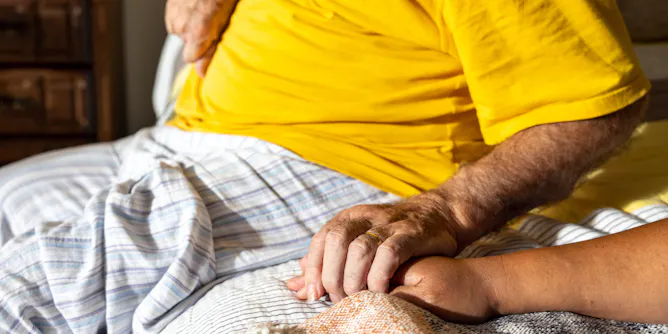
People living with Alzheimer’s as well as their caregivers benefit from culturally informed care.
Articles on Palliative care
Displaying 1 - 20 of 101 articles
‘Fix-it’ medical approaches often go against people’s wishes near the end of life, creating unnecessary and preventable suffering.

Doctors working in palliative care see promise in emerging therapies involving psychedelic drugs, but say many questions still need to be addressed.

Scotland’s assisted dying debate focused on safeguards, but for thousands dying in poverty with unmet care needs, the real question goes much deeper.

When your loved one is in palliative care, the last thing you want to think about is money. But new research shows financial stress at this difficult time is front and centre.

Studies show psilocybin therapy can rapidly reduce anxiety and depression in terminally ill patients, but UK regulations make access nearly impossible.

Recent reports from the Chief Coroner for Ontario reveal that Canada’s MAiD law, policy and practice focuses on promoting access to death, rather than protection.

Unhoused people are more likely to die in hospitals or on the streets.
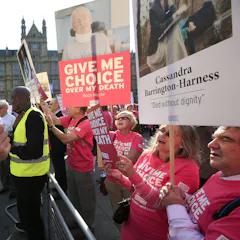
‘Coercion isn’t as bad or as problematic as is made out.’ A philosopher explains why.

The values that Jimmy Carter embodied in his international career are reflected in his end-of-life decisions. These offer lessons for all Canadians.
3 out of 4 people will need access to palliative care, but globally only 14% of patients who need it actually receive it.
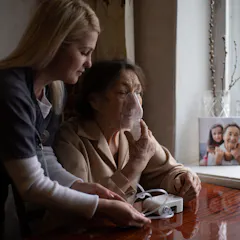
As part of the recent aged care reforms, older Australians will be eligible for $25,000 worth of palliative support when they have three months or less left to live.
People with illnesses that can’t be cured are often in intense pain and discomfort. They rely on opioids such as morphine for relief.
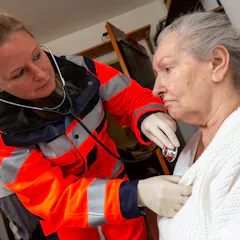
Training paramedics to provide home-based palliative care lets severely ill patients remain at home and takes pressure off emergency departments and the health system.

Finding fulfilment at the end of life is not that unusual.

The NT government has invited views on access to voluntary assisted dying. But whether it should include access for those with dementia is not so clear cut.
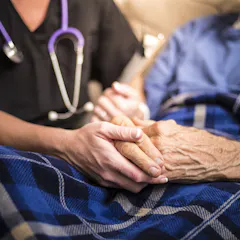
When dementia patients on Medicare enroll in hospice, they lose other crucial supports and services.
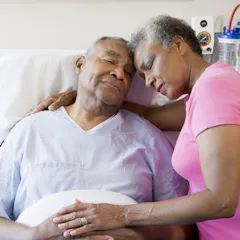
Patients with incurable cancer want to be informed about their disease and its treatment, but must also maintain hope. This inner conflict can affect how they process information about their prognosis.
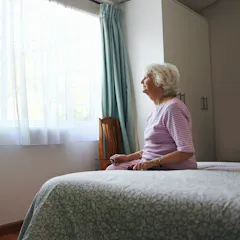
It’s illegal to discuss voluntary assisted dying via telehealth, which means people who live in rural areas and those who can’t physically go to see a doctor may not be able to access the scheme.

One person said they wanted a VR experience that allowed them to explore Paris again.
Top contributors
-

Distinguished Professor, Professor of End-of-Life Law and Regulation, Australian Centre for Health Law Research, Queensland University of Technology
-
Professor of Law, Australian Centre for Health Law Research, Queensland University of Technology
-
Matthew Flinders Professor and Director of the Research Centre for Palliative Care, Death and Dying, Flinders University
-
Consultant Neonatologist and Professor of Ethics, University of Oxford
-
Associate Professor of Medicine, Deakin University
-
Assistant Professor of Palliative Medicine, Aga Khan University
-
Senior Lecturer in Palliative Care, Flinders University
-
Honorary Enterprise Professor, School of Population and Global Health, and Department of General Practice and Primary Care, The University of Melbourne
-
NIHR Clinician Scientist and Honorary Consultant in Palliative Medicine, King's College London
-
Research Associate, Palliative and Supportive Services, Flinders University
-
Associate professor, Australian Catholic University
-
Research Fellow, Department of Medicine, The University of Melbourne
-
Palliative Medicine Physician, Senior Research Fellow, The University of Melbourne
-
Professor, VCCC Chair of Palliative Medicine, The University of Melbourne
-
Professor of Medical Sociology, University of Glasgow