

New research shares the stories of Australians with dementia who want a choice in how they live and die.
Articles on Terminal illness
Displaying 1 - 20 of 35 articles
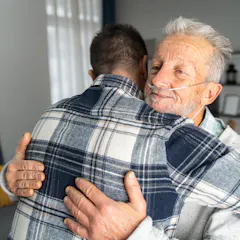
Many aspects of the new voluntary assisted dying laws are familiar. But there are some differences to address the territory’s unique needs.

Some patients with a terminal illness seem to be able to ‘hold on’ until after an anticipated holiday or event. This might be less about staying positive and more about being supported in your goals.

Unhoused people are more likely to die in hospitals or on the streets.

Only 33% of participants in a Queensland study knew voluntary assisted dying was legal.
3 out of 4 people will need access to palliative care, but globally only 14% of patients who need it actually receive it.
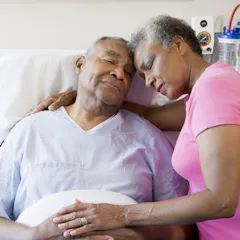
Patients with incurable cancer want to be informed about their disease and its treatment, but must also maintain hope. This inner conflict can affect how they process information about their prognosis.
Assessing a patient’s autonomy can be more difficult when mental illness is the main source of their suffering.
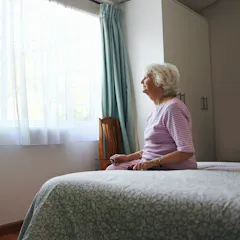
It’s illegal to discuss voluntary assisted dying via telehealth, which means people who live in rural areas and those who can’t physically go to see a doctor may not be able to access the scheme.

Palliative care is often seen as a ‘last resort’ rather than a service that empowers terminally ill people to live as well as possible for as long as possible.
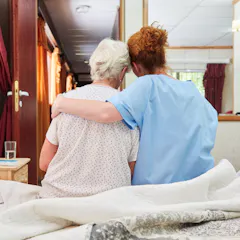
Bill C-7 has created ethical tensions between MAID providers and palliative care, between transparency and patient privacy, and between offering a dignified death rather than a dignified life.
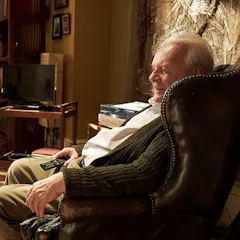
A neuroscientist and a clinician watched two new films about dementia. They recognised what they saw.

Terminally ill research participants wanted to have the option of assisted dying if they needed it, and felt they knew best when the time was right for them to die.

Formally planning ahead in case of illness or injury can provide you a voice when you may no longer have one - here’s our guide
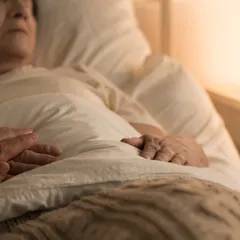
From June 19, Victorians at the end of their lives can request medical assistance to die. Voluntary assisted dying may offer a new option for some, but the practice will be strictly regulated.
One of the great success stories in healthcare, a quarter of the UK hospice sector is said to be close to collapse.

When a person has a serious illness, palliative care aims to improve that person’s quality of life.
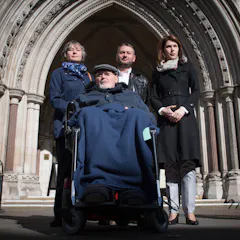
Polls show a clear majority support assisted dying in Britain – but it depends on how the question is asked.

Public opinion, shifting views in the health profession and international trends allowing assisted dying mean it will be lawful in Australia at some point. But will it be lawful in Victoria soon?

Imagine this situation: a person has no medical illness but wishes to end his or her life purely because he or she no longer wishes to live. Should they be eligible for euthanasia or assisted suicide?
Top contributors
-

Distinguished Professor, Professor of End-of-Life Law and Regulation, Australian Centre for Health Law Research, Queensland University of Technology
-
Professor of Law, Australian Centre for Health Law Research, Queensland University of Technology
-
Ontario Research Chair in Bioethics and Public Policy, Queen's University, Ontario
-
Assistant Professor of Palliative Medicine, Aga Khan University
-
Emeritus professor, Southern Cross University
-
Senior Lecturer in Clinical Ethics and Health Law, University of Newcastle
-
Wellcome Trust Research Fellow, University of Oxford
-
Chancellor's Professor of Medicine, Liberal Arts, and Philanthropy, Indiana University
-
Professor of Applied Health Research, University of Stirling
-
Associate professor, Queensland University of Technology
-
Palliative Medicine Physician, Senior Research Fellow, The University of Melbourne
-
Professor of Medicine, University of Florida
-
Research Fellow, University of Oxford
-
Deputy Head of Research, School of Healthcare Sciences and Professor of General Practice, Bangor University
-
Chair of Nursing Research, Queen's University Belfast