

Karen Ann Quinlan fell into a coma in 1975. The high-profile legal case over her parents’ wish to remove her ventilator shapes American patients’ rights today.
Articles on Advance care planning
Displaying 1 - 20 of 26 articles
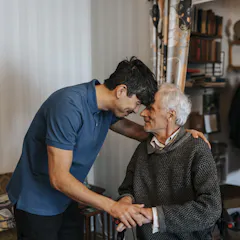
Addressing the financial and personal aspects of aging proactively helps to ensure that you will receive the care you need – and want – as you age.

COVID-19 highlighted the need to plan for medical emergencies, but most people still avoid the issue.

The NT government has invited views on access to voluntary assisted dying. But whether it should include access for those with dementia is not so clear cut.

Middle age means staying a step ahead on both the medical and financial fronts.

Someone who is self-aware may be a better choice then your nearest and dearest, when it comes to enacting your will and preferences as you age.
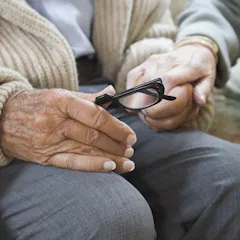
When you prepare to talk about end-of-life decisions and the legacy you want to leave behind, try thinking about them as gifts you bestow to family and friends.
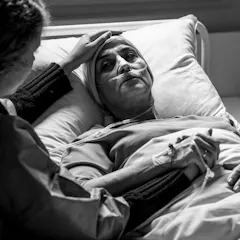
Evidence suggests messages the patient thought to be crystal clear often appear unclear to doctors and family.
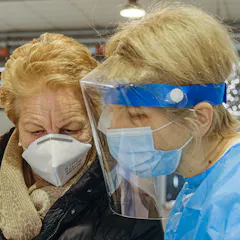
Millions of healthy people, including seniors, delayed care because of the pandemic. It’s time to get back to the doctor.

Whether CPR is performed in hospital will depend on the patient’s prospects of survival and recovery. But the doctors are also concerned about what the patient wants.

The pandemic is bringing up tough new questions as parents and grandparents develop advance care plans. Here’s how to start the conversation.

If you became suddenly unwell, would your family or health team know your wishes? Here’s why advance care planning should be part of Australia’s strategic response to COVID-19.

The seriously ill and their families often want to protect each other from thoughts of death. Conversation about end-of-life choices are, however, essential to a good death.

Formally planning ahead in case of illness or injury can provide you a voice when you may no longer have one - here’s our guide

In the final days of life, it may be too late to choose how you want to die, who you want to be cared by, and how you’d like your symptoms managed.

Few people like to talk about death, but research is suggesting that people should talk with loved ones about their wishes for their final days. You may be surprised which family member is most supportive.

Most elderly Canadians do not receive the end-of-life care they desire. A new study hopes to rectify this.

The Victorian law provides if a child has made a valid advance directive including instructions to refuse a particular medical treatment, a health practitioner must not provide that treatment.

Will the My Health Record help people with communication difficulties share their health information across health providers?

At least one-third of patients receive non-beneficial treatments at the end of their life. Having a good advance care directive that you share with others helps them know and respect your wishes.
Top contributors
-

Research Fellow, Australian Centre for Health Law Research, Queensland University of Technology
-
Distinguished Professor, Professor of End-of-Life Law and Regulation, Australian Centre for Health Law Research, Queensland University of Technology
-
Associate Professor of Medicine, Deakin University
-
Professor, Aged Care Medical Research Australian Centre for Evidence Based Aged Care, La Trobe University
-
Adjunct Research Fellow, Adelaide University
-
Associate Professor in Social Work and Human Services, The University of Queensland
-
Associate Professor of Health Communication, University of South Florida
-
Craig Sinclair is a Friend of The Conversation.
Research Fellow, UNSW
-
Honorary Academic, The University of Melbourne
-
Professor of Law, Australian Centre for Health Law Research, Queensland University of Technology
-
Research Fellow, Australian Centre for Health Law Research, Queensland University of Technology
-
Senior Lecturer, The University of Melbourne
-
Associate Professor of Medicine, McMaster University
-
Professor of Speech Pathology, University of Technology Sydney
-
Associate Professor, The University of Melbourne