
‘Fix-it’ medical approaches often go against people’s wishes near the end of life, creating unnecessary and preventable suffering.
Articles on End-of-life care
Displaying 1 - 20 of 96 articles

Burial and cremation come with some pretty major environmental problems. Both involve huge amounts of energy, resources and pollution.

The values that Jimmy Carter embodied in his international career are reflected in his end-of-life decisions. These offer lessons for all Canadians.

The first wind phone appeared in Japan in 2010, and the concept has since spread around the world.
Training paramedics to provide home-based palliative care lets severely ill patients remain at home and takes pressure off emergency departments and the health system.
Including the family in a patient’s treatment plan can help shorten hospital stays and assist in recovery. But caregivers often pay a price.
Patients with incurable cancer want to be informed about their disease and its treatment, but must also maintain hope. This inner conflict can affect how they process information about their prognosis.
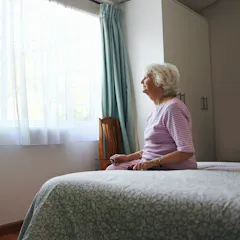
It’s illegal to discuss voluntary assisted dying via telehealth, which means people who live in rural areas and those who can’t physically go to see a doctor may not be able to access the scheme.

All of us face loss and the reality of our own mortality. Whether through in-person discussion or over social media, let’s build communities that support people navigating death and dying.

An accurate prediction of survival can enable earlier conversations about preferences and wishes at the end of life, and earlier introduction of palliative care.

Palliative care is often seen as a ‘last resort’ rather than a service that empowers terminally ill people to live as well as possible for as long as possible.
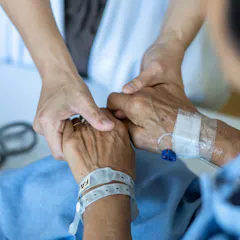
The challenging realities surrounding end-of-life care are especially difficult for older people experiencing homelessness, who have more barriers to accessing hospice care.
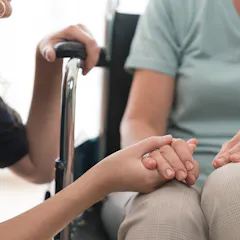
Gaps between health systems can mean NDIS participants at the end of their lives don’t have the support of their regular NDIS support workers.
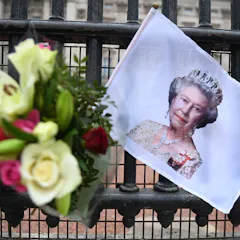
Grieving the queen’s passing can be different to grieving the loss of someone we were close to. It’s also complicated by politics, colonialism and the contest about who she really was.
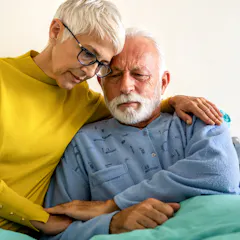
For people to access medical assistance in dying (MAID) requires health-care professionals willing to provide the service. The reasons health-care providers choose not to participate are important.

Palliative care, often misunderstood, is not synonymous with hospice care.
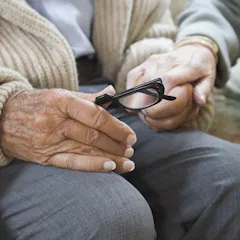
When you prepare to talk about end-of-life decisions and the legacy you want to leave behind, try thinking about them as gifts you bestow to family and friends.
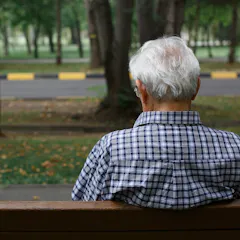
Interviews with 32 doctors who provided voluntary assisted dying services in Victoria found layers of bureaucracy made it difficult for patients to access the system. Some died while waiting.

Palliative care is about living well and meeting patients’ goals, but referral can be more complex than access to medical assistance in dying (MAID). Palliative care should be as accessible as MAID.
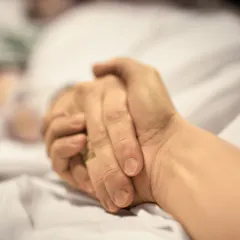
The case for letting people go gentle into that good night.
Top contributors
-

Distinguished Professor, Professor of End-of-Life Law and Regulation, Australian Centre for Health Law Research, Queensland University of Technology
-
Consultant Neonatologist and Professor of Ethics, University of Oxford
-
Professor of Law, Australian Centre for Health Law Research, Queensland University of Technology
-
Assistant Professor of Palliative Medicine, Aga Khan University
-
Emeritus professor, Southern Cross University
-
Adjunct Research Fellow, Adelaide University
-
Professor of Intensive Care, UNSW
-
Honorary Enterprise Professor, School of Population and Global Health, and Department of General Practice and Primary Care, The University of Melbourne
-
Associate Professor of Law (Health Law), Deakin University
-
Lecturer in Nursing, University of Birmingham
-
Associate professor, Australian Catholic University
-
Associate professor, Queensland University of Technology
-
Professor of Medicine, Monash University
-
Emeritus Professor of Public Health, La Trobe University
-
Associate Professor of Law, Bond University