
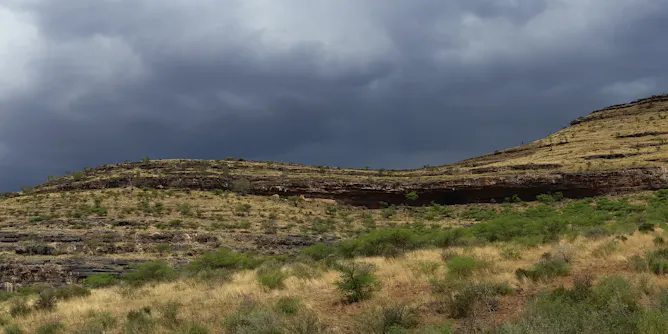
People were drawn to Ga-Mohana for many reasons. Surface water was likely among them.
Articles on Paleoclimate
Displaying 21 - 38 of 38 articles
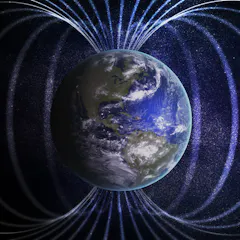
Scientists have uncovered evidence of a global paleopocalyspe.

Extreme shrinkage of summer sea ice is just the latest evidence of rapid Arctic warming – and what happens in the Arctic doesn’t stay there.

These findings are in stark contrast with the original worldview that suggested the entire globe was at a maximum glaciated state around 20 000 years ago.
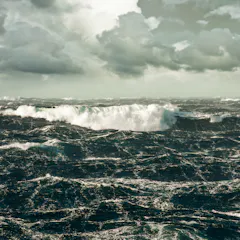
Cold-water plankton is being replaced by warm-water species.

What caused the rise and then collapse 2,600 years ago of this vast empire centered on Mesopotamia? Clues from a cave in northern Iraq point to abrupt climate change.

Scientists have reconstructed the monsoon over 145m years – and found it predates the Himalayas.

Why did Earth’s climate rapidly cool 12,800 years ago? Evidence is mounting that a comet or asteroid collision is to blame, with new support coming from the bottom of a South Carolina lake.
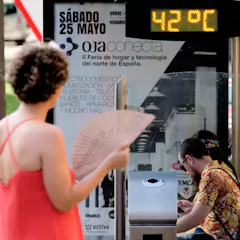
The clearest picture yet of the past 2,000 years of global temperatures has shown warming in the last 50-odd years is unprecedented in the last two millennia.
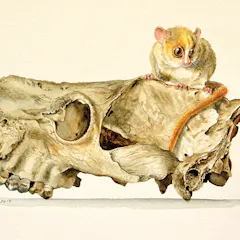
A series of new studies sheds light on the population crash and extinction of the giant birds, lemurs and more that roamed the island until around A.D. 700-1000.

The Indian summer monsoon rainfall affects the lives of over a billion people. By looking at how prehistoric climate changes affected it, scientists can contribute to its future prediction.
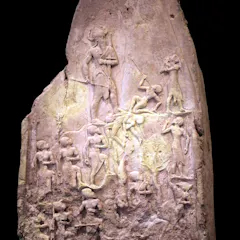
Scientists have discovered new evidence of a drought that finished off the Akkadian Empire 4,000 years ago.

Drastic oxygen losses in the world’s oceans millions of years ago coincided with mass extinctions. Scientists see this as a warning about how climate change could affect oceans today.
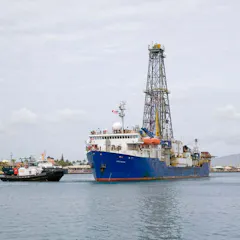
The ocean floor holds unique information about Earth’s history. Scientific ocean drilling, which started 50 years ago, has yielded insights into climate change, geohazards and the key conditions for life.
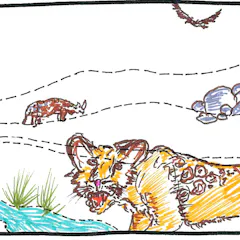
Scientists asked young people to draw what they would like the natural world to look like when they’re older. Their imagination could help make conservationists more ambitious.
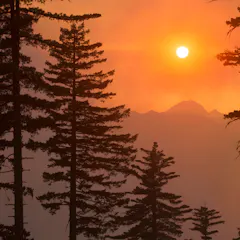
What can we expect from our future climate after looking at the ‘Hothouse Earths’ of the past?
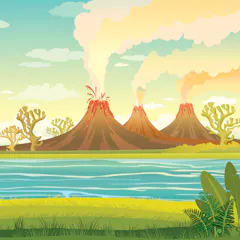
This sudden, 150,000-year long temperature spike has many parallels with modern climate change.
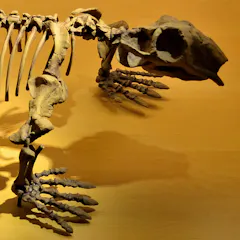
Climate was the main factor that triggered the evolution of warm-bloodedness in mammals and the subsequent mammalian evolutionary success.
Top contributors
-

Associate Professor in Physical Geography, University of Southampton
-
Senior Research Associate in Meteorology, University of Bristol
-
Professor of Earth and Environmental Sciences, Northern Arizona University
-
Professor of Fire Ecology, University of Montana
-
Professor of Earth and Climate Sciences, California State University, Dominguez Hills
-
Research Scientist in Ecological Transformation, University of Colorado Boulder
-
Associate Professor of Global Environmental Change, Xi'an Jiaotong University
-
Professor of Isotope Geochemistry, University of Southampton
-
Assistant Professor of Earth, Ocean and Atmospheric Science, Florida State University
-
Professor of Palaeobiology, University of Leicester
-
Harold T. Stearns Professor of Earth Science, Wesleyan University
-
Lecturer, School of Agriculture, Food and Ecosystem Sciences, The University of Melbourne
-
Senior Lecturer in Biology, University of Sussex
-
PhD Researcher, University of Leicester
-
Doctoral Researcher, University of Sussex