

In the design of marine protected areas, new research suggests that it might be better to start small in order to gain local trust and support that leads to larger long-term benefits.
Articles on Overfishing
Displaying 61 - 80 of 132 articles

Aung San Suu Kyi’s government did not have a perfect environmental record. But at least things were starting to change.
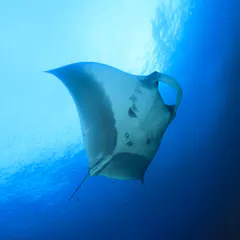
A high seas treaty could help rebuild populations – but time is running out.
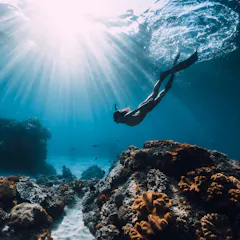
The Pacific Ocean produces oxygen, helps regulates the weather, provides food and livelihoods. It’s a place of fun, solace and spiritual connection. But its delicate ecology is under threat.
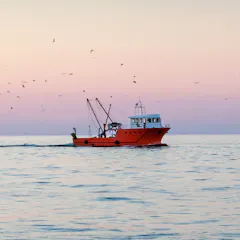
An international agreement has set an ambitious deadline for action on some of the biggest problems facing the world’s oceans.
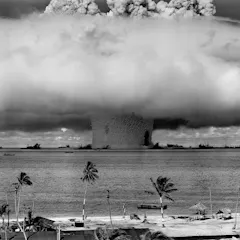
Marine fish could serve as a crucial global emergency food supply in times of crisis, if marine ecosystems were in a healthy state to start with.
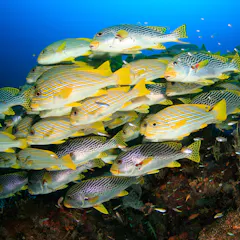
Most existing MPAs are in distant and largely empty waters. Expanding them where it counts will meet a lot of resistance.
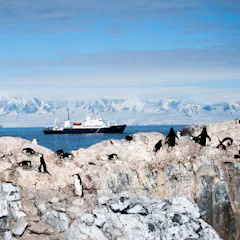
More than 280 women in STEMM call for a marine protected area to be established in the waters of the Western Antarctic Peninsula.
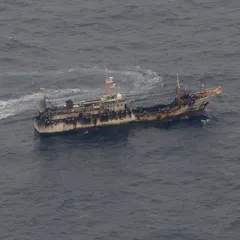
The latest incident highlights a mismatch between ocean law and marine ecosystems.
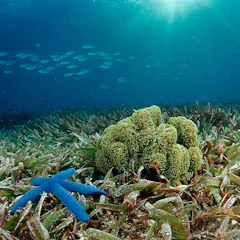
Between 1986 and 2016, Kenya lost about 21 of its seagrasses.
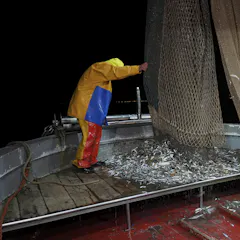
Everyone who cares about marine biodiversity, fish, fishers, coastal communities and fishing industry workers of today and tomorrow must push for the end of fisheries subsidies.

Empatheatre’s latest production is more than a play about three characters who live near the sea. It’s a model for collective consultation on how to save the ocean.

Scientists were struggling to keep track of illegal fishing in international waters and the seabirds it threatened. Then they had an idea.

Regulations have lowered mercury emissions globally, but the risks to ocean ecosystems and human health may be getting worse.
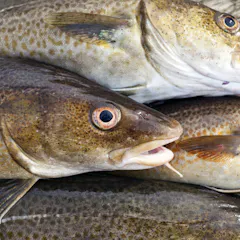
A combination of flawed science and over-optimism meant experts misinterpreted the data that helped calculate estimates of cod stocks back in 2017.
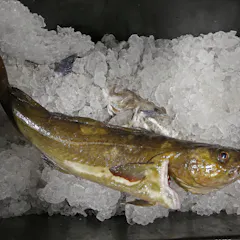
As the oceans warm, fish are moving to stay in temperature zones where they have evolved to live. This is helping some species, hurting others and causing a net reduction in potential catch.
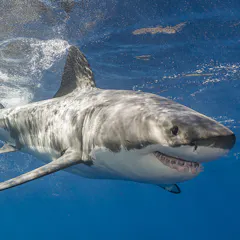
Even the remote open ocean offers no escape from industrial fishing for sharks.
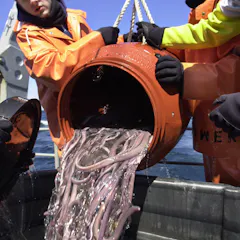
Hagfish have been called the most disgusting creatures in the ocean. But what are they?
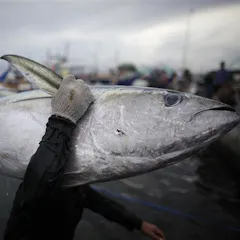
Earth-orbiting satellites and AI tools can track fishing vessels around the world.
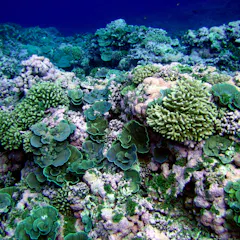
In a study that cultivated coral ‘gardens’ with varying numbers of species, plots with more species were healthier. This finding could inform strategies to help coral reefs survive climate change.
Top contributors
-

Director & Professor, Fisheries Economics Research Unit, University of British Columbia
-
Faculty Research Associate in Marine Biology, Arizona State University
-
Professor of Marine Conservation, University of Exeter
-
Principal Research Fellow, Institute for Marine and Antarctic Studies, University of Tasmania
-
Postdoctoral research fellow in Biological Sciences, Simon Fraser University
-
Researcher in Ecosystem Dynamics, University of California, Santa Cruz
-
Senior Research Fellow, Conservation Science, University of Oxford; Bangor University
-
Wen Family Chair in Conservation, The University of Western Australia
-
Professor of Complex Systems and Environmental Policy, Bournemouth University
-
Professor of Marine Ecology, University of Southampton
-
Professor, Sustainable Marine Futures, Environment Institute, Adelaide University
-
Postdoctoral researcher, marine ecology, Adelaide University
-
Lecturer in Sustainable Futures, University of St Andrews
-
Professeur et Chaire de recherche du Canada en écologie halieutique, Université du Québec à Rimouski (UQAR)
-
Affiliated Researcher, Fisheries Economics Research Unit, University of British Columbia