
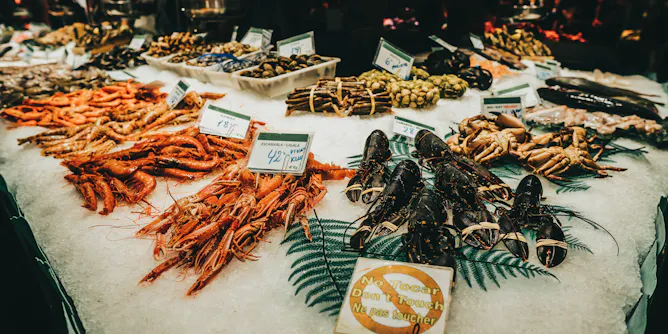
Traditional food provenance methods are typically designed to identify one species at a time. So we worked out a new approach, as part of a broader effort to combat seafood fraud and illegal fishing.
Articles on Overfishing
Displaying 41 - 60 of 133 articles

Only 200 years ago, Australian waters were full of oyster and shellfish reefs. Then they collapsed. Now large scale restoration efforts are underway.

There is a need for nuanced discussions around the role of fisheries subsidies — even those that may be nominally harmful — to avoid further inequity and marginalization of small-scale fishers.
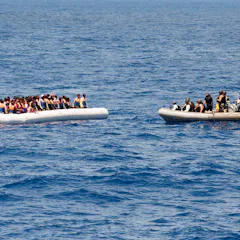
The influx of migrants from West Africa must be viewed as a manifestation of problems in the countries of origin.
Humans have failed to take good care of the ocean — and the environment at large — because we undervalue its goods and services.
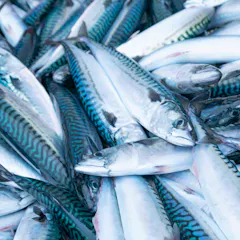
Suspending mackerel and spring herring fishing in the southern Gulf of St. Lawrence will impact the fishing industry on many levels.
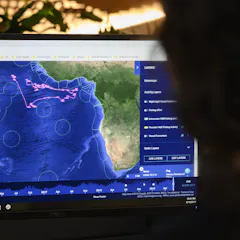
One of the oldest industries, fishing, is entering the world of advanced analytics and data-driven planning. With oceans under stress and key fish stocks dwindling, can precision fishing help?
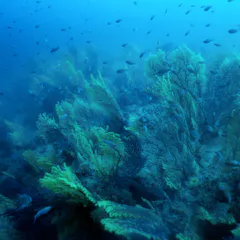
Forming tightly woven populations, these bush-like corals offer a refuge to a myriad of marine species.
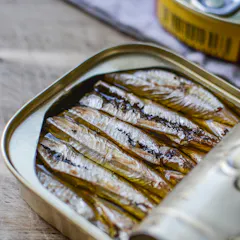
Farming shellfish instead of large, predatory fish, is also better for the planet.
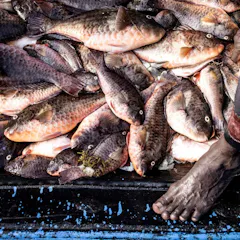
Fisheries agreements favour the European Union and don’t do enough to protect African interests.
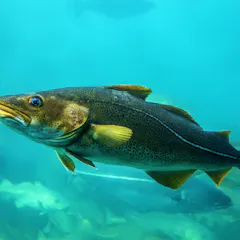
Certain combinations of genetic material are being conserved through the generations.
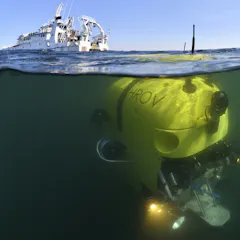
For the opening of the One Ocean Summit in Brest from February 9 to 11, 2022, France’s marine research institute looks at promising avenues of research to protect the planet’s largest ecosystem.
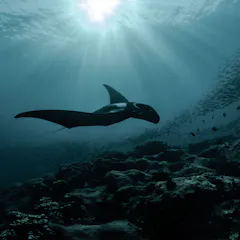
Nearly all species of sharks and rays are captured in fishing operations. But research shows that fishing quotas and closing some areas to fishing can help rebuild threatened populations.
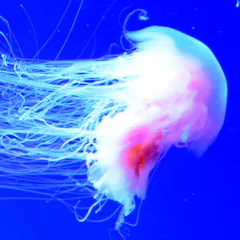
Scottish holidaymakers are seeing giant jellyfish brought to UK shores by wind and currents

As the climate changes, the ocean is also changing. And that’s putting our health at risk.

The WTO is set to wrap up negotiations on harmful fisheries subsidies This could help rebuild the oceans’ fish stocks, and support the communities that rely on them.
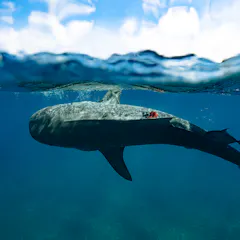
Warm-blooded fish can swim 1.6 times faster than their cold-blooded relatives.
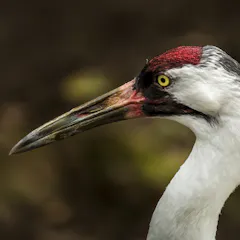
A bewildering array of laws and regulations cover species and ecosystems in Canada, making their protection inadequate.
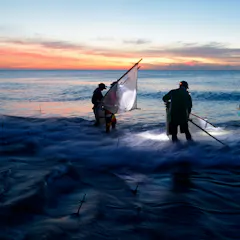
Indigenous marine governance is experiencing a revival throughout Oceania, building on traditional worldviews that acknowledge connections between people and all parts of ocean ecosystems.
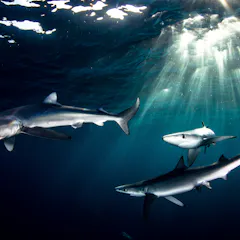
Sharks grow slowly and produce few young compared to bony fishes. In many cases, this means that their populations are fished out faster than can be replenished if not well managed.
Top contributors
-

Director & Professor, Fisheries Economics Research Unit, University of British Columbia
-
Faculty Research Associate in Marine Biology, Arizona State University
-
Professor of Marine Conservation, University of Exeter
-
Principal Research Fellow, Institute for Marine and Antarctic Studies, University of Tasmania
-
Postdoctoral research fellow in Biological Sciences, Simon Fraser University
-
Researcher in Ecosystem Dynamics, University of California, Santa Cruz
-
Senior Research Fellow, Conservation Science, University of Oxford; Bangor University
-
Wen Family Chair in Conservation, The University of Western Australia
-
Professor of Complex Systems and Environmental Policy, Bournemouth University
-
Professor of Marine Ecology, University of Southampton
-
Professor, Sustainable Marine Futures, Environment Institute, Adelaide University
-
Postdoctoral researcher, marine ecology, Adelaide University
-
Lecturer in Sustainable Futures, University of St Andrews
-
Professeur et Chaire de recherche du Canada en écologie halieutique, Université du Québec à Rimouski (UQAR)
-
Affiliated Researcher, Fisheries Economics Research Unit, University of British Columbia