

Berry’s belief that humans have a responsibility to care for God’s creation traces back to the Book of Genesis. So does an opposing argument for environmental exploitation.
Articles on Organic farming
Displaying 1 - 20 of 30 articles
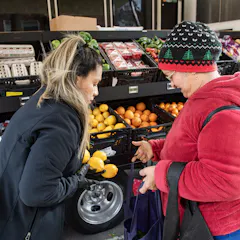
Farm bills – famously complex legislative and spending balances between farm subsidies, food assistance, conservation and more – have tended to be passed about every five years since 1933.
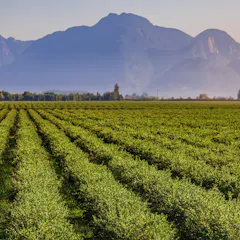
In the face of growing social and environmental challenges, organizations in the food and agriculture sector are increasingly turning to nature for inspiration.
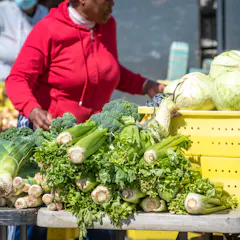
Even if you don’t live near farm country, you’ve got a stake in the upcoming farm bill – including what kind of farms your tax dollars support.
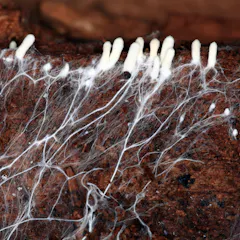
The new State of the Environment report shows Australia’s soil and the life it holds is in poor condition. We need to protect our underground biodiversity.
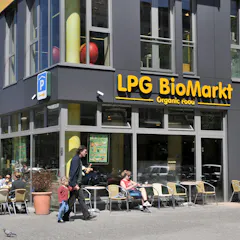
An expert on organic agriculture argues that the US is missing an economic and environmental opportunity by not working to scale up organic production.
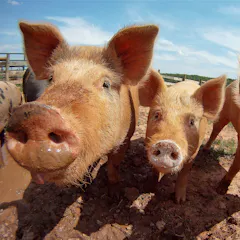
US federal regulations say little about how animals on organic farms should be treated. So if you’re planning to serve an ethical holiday dinner, you’ll have to do some research.

Mahatma Gandhi is an iconic figure for the world. Richard Barlett Gregg helped introduce him to Americans.
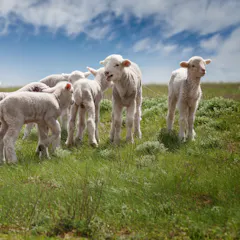
Regenerative agriculture has the potential to build production and reducing pollution, but it needs a clearer definition.

Long before 70s hippies and hipster artisans, Australians were seeking solace by going back to the land. They ranged from anarchists to suffragists to Catholic agrarians.
Organic farmers are entrepreneurs who are sensitive to ecology, yet their convictions can sometimes seem counter-intuitive. New research indicates some surprising motivations.
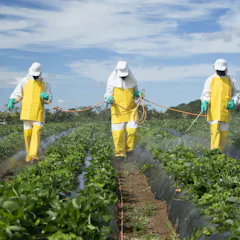
Most studies on the use of pesticides are funded by those that produce the chemicals but only independent research can inform us about the best agricultural practices.
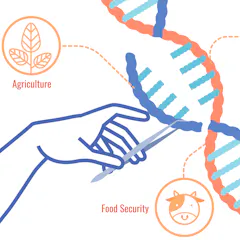
You may not agree with using the gene-editing tool, CRISPR, to alter the DNA of human babies. But what about using it to engineer plants? Or wipe out one of the world’s most dangerous creatures?
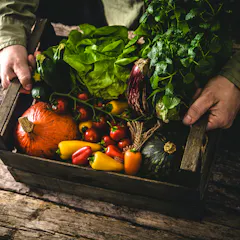
Is gene editing compatible with organic farming? A scholar explains the differences between old genetic engineering and CRISPR methods, and why the latter is similar to tradition plant breeding.

Did Rachel Carson catalyze the organic farming movement, as many advocates claim? Or would she reject their ban on synthetic fertilizer and see organic as an inefficient way to feed the world?
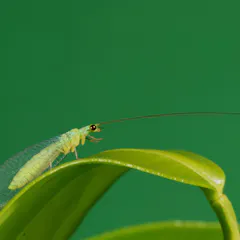
Not all bugs are bad! Put down the pesticides and get to know the predators and parasites hidden around you.
Some conventional vegetable farms in Canada are starting to use organic methods in their operations.
A proposal that all imported vegetable seeds be treated with fungicide has drawn outrage from Australia’s organic producers, who fear losing their certification.

California produces 90 percent of the US strawberry crop, but growers face curbs on toxic chemicals that have helped their industry expand. Can a system centered on mass production become more sustainable?
Organic farming has roots in 20th century fascism, challenging the assumption that environmentalism and progressive politics are symbiotic.
Top contributors
-

Executive Director, Swette Center for Sustainable Food Systems, Arizona State University
-
Professor of Agroecology, University of California, Berkeley
-
Doctoral candidate in Conservation Biology, University of California, Berkeley
-
Professor, Agricultural Biotechnology, Murdoch University
-
Adjunct Professor of Environmental Studies, University of Victoria
-
James Martin Research Fellow, University of Oxford
-
Associate, Sustainability Science, Harvard Kennedy School, Harvard University
-
Professor of Earth and Space Sciences, University of Washington
-
Associate Professor, Department of Plant Sciences, University of Oxford
-
PhD Candidate, Art History, Concordia University
-
Associate Professor, Soil Science & Plant Production at the School of Natural Resource Management, Nelson Mandela University
-
Lecturer in Poultry Nutrition, University of Sydney
-
Professor in Plant Molecular Genetics, The University of Queensland
-
Professor of Social Sciences, University of California, Santa Cruz
-
Assistant professor, Vrije Universiteit Amsterdam