

In both the UK and Japan, people who trusted the government were more willing to pay extra for organic food.
Articles on Organic food
Displaying 1 - 20 of 40 articles

Bouillons are back! What’s behind the French revival of these cheap and cheerful eateries that started out as canteens for Paris’ hungry, blue-collar workers?

While regenerative agriculture might seem like a pioneering new approach, this term isn’t new. Here’s how it differs from organic.

Aquaponics could help feed Martian colonies in the future and offer a sustainable food system on Earth.
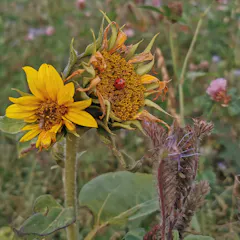
The debate about pesticides often gets polarised, pitching farmers against consumers.
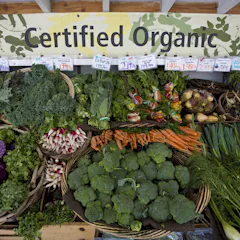
Four out of five Americans regularly buy some kind of organic food. An expert on the industry says more federal support could greatly expand organic farming and its environmental benefits.

‘Local, organic, sustainable’ are common buzzwords on US restaurant menus now, but it wasn’t always that way. Alice Waters and her restaurant, Chez Panisse, helped put them there.

A new study shows high-fibre brown rice also contains more arsenic than white rice – so which is better for you?
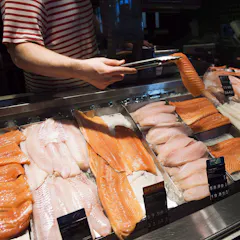
Trust in our global food supply chains remains a concern. For the foreseeable future, much of Canada’s food fraud remains hidden in plain sight, sitting right there on our grocery store shelves.
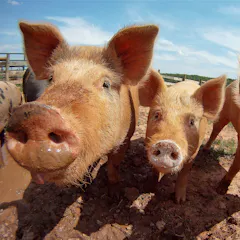
US federal regulations say little about how animals on organic farms should be treated. So if you’re planning to serve an ethical holiday dinner, you’ll have to do some research.

Consumers are increasingly concerned about the sustainability of their fish.
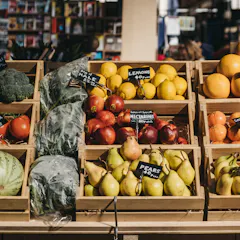
But better diets and less food waste would reduce reliance on imported organic food
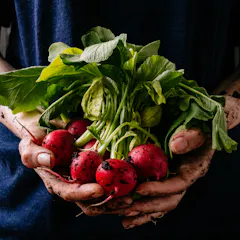
Because of the way scientific studies are conducted, it’s been hard to health benefits from eating organic food. A new study suggests, however, that there are ways to find out.
Organic farmers are entrepreneurs who are sensitive to ecology, yet their convictions can sometimes seem counter-intuitive. New research indicates some surprising motivations.
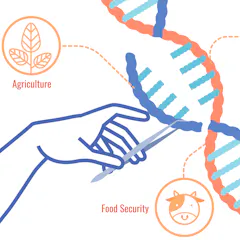
You may not agree with using the gene-editing tool, CRISPR, to alter the DNA of human babies. But what about using it to engineer plants? Or wipe out one of the world’s most dangerous creatures?
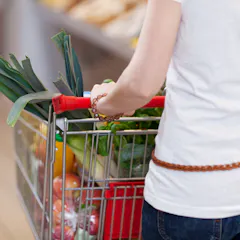
The participants who chose more organically grown foods over 4.5 years had slightly lower rates of cancer. But it doesn’t necessarily mean one thing caused the other.

The halal food sector largely relies on industrially produced meats and produce. But more and more Muslims are using the Quran to interpret halal to mean food that’s wholesome and humanely raised.
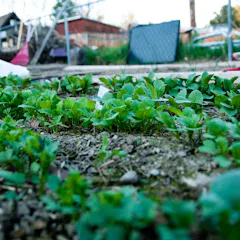
A proposal that all imported vegetable seeds be treated with fungicide has drawn outrage from Australia’s organic producers, who fear losing their certification.

California produces 90 percent of the US strawberry crop, but growers face curbs on toxic chemicals that have helped their industry expand. Can a system centered on mass production become more sustainable?
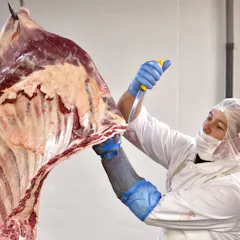
Food fraud is a common problem that technologies such as blockchain and DNA fingerprinting can help to solve.
Top contributors
-

Senior Visiting Fellow, School of Medical Sciences, UNSW
-
Assistant professor, Vrije Universiteit Amsterdam
-
Associate Professor, Deakin University
-
Course co-ordinator (Food as Medicine, Wellness Practices and Perspectives), RMIT University
-
Director, Agri-Food Analytics Lab, Professor in Food Distribution and Policy, Dalhousie University
-
Associate Research Scientist, Michigan State University
-
Professor of History, University of Vermont
-
Professor and Tyson Endowed Chair in Food Policy Economics, University of Arkansas
-
Professor of History, Middlebury College
-
Academic Director, School for International Training, The University of Melbourne
-
Assistant Professor, Advertising and Marketing Communication, University of Canberra
-
Professor of Law, The University of Melbourne
-
Director of AgBioResearch and Assistant Vice President of Research and Innovation, Michigan State University
-
Honorary Fellow, CSIRO
-
Professor, University of British Columbia