

While gene editing offers benefits for animal agriculture, regulatory approvals raise questions about transparency, consumer choice and democratic oversight.
Articles on GMO
Displaying 1 - 20 of 51 articles
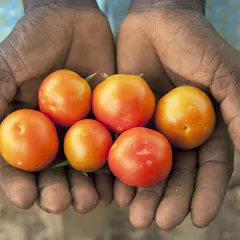
Africa has a hunger crisis: it’s time to change the approach to agriculture.
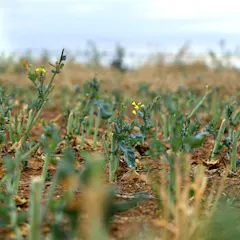
GM proponents say the technology leads to better crop yields and may solve food shortages and reduce pests. Opponents say GM is a threat to the environment and humans. So where does the truth lie?
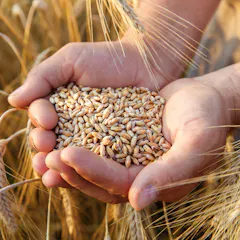
Wholegrains provide us with important protein, fat, vitamins, and minerals.
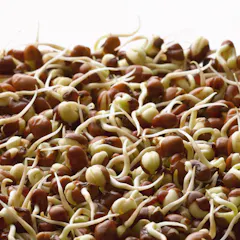
Nigeria recently approved the world’s first GM cowpea, which provides full protection against the pod-borer Maruca, a major problem for this important crop.
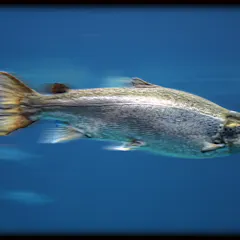
The FDA has given the green light to sell the first genetically engineered animal – farmed salmon –in the US.

Many of the crop plants that feed us waste 20 percent of their energy, especially in hot weather. Plant geneticists prove that capturing this energy could boost crop yields by up to 40 percent.
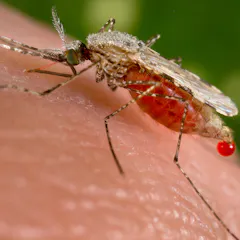
Researchers are exploring genetic forms of population control called gene drives that spread traits faster that happens naturally. The goal is to curb mosquito-borne diseases like malaria.
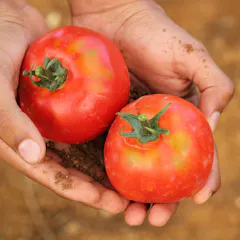
Gene editing of wild plants can help us tap into new sources of food. But we need to make sure it’s safe – and that demands some careful regulation.
Is gene editing compatible with organic farming? A scholar explains the differences between old genetic engineering and CRISPR methods, and why the latter is similar to tradition plant breeding.
There are many reasons why scientists collaborating with artists makes sense, now more than ever.
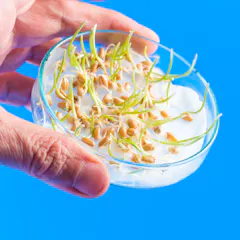
Genetic modification rules now cover gene edited crops but exclude plants bred traditionally with the same properties.
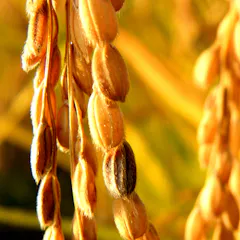
Why are consumers so reluctant to embrace genetically modified foods? A new study suggests agricultural biotech companies are failing to show consumers a personal benefit to buying GM foods.
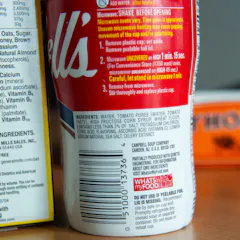
Vermonters’ views on labels for genetically engineered foods shed light on consumers’ views, as the federal government considers mandatory labels.

As the climate changes and the population grows, meeting the demand for food will become more difficult as arable land declines. But an international team of scientists has figured out an innovative solution to dramatically bumping up crop yields.
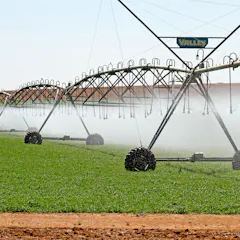
South Africa’s land reform debate must not lose sight of the real issue: how to provide enough food to feed its people.
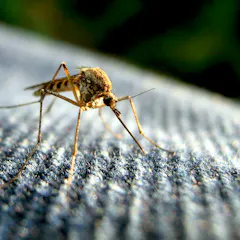
Simple and inexpensive gene-editing technology such as CRISPR has made the creation of genetically modified organisms much easier. But could nature still keep the upper hand?
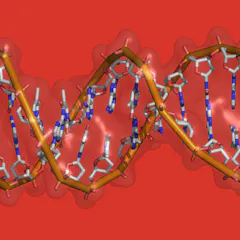
Researchers are starting to harness the potential of this much-hyped gene editing technique – with coming applications in medicine, biology and agriculture.
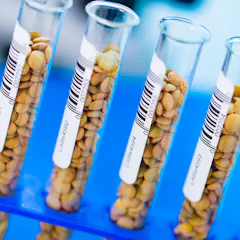
Genome editing and synthetic biology are giving rise to new forms of life. But do these organisms have conservation value as part of earth’s biodiversity?

Public health experts enlist the molecular biology tools that create genetically modified organisms – as well as the GMOs themselves – in the fight against emerging infectious diseases.
Top contributors
-

Professor and Chair Community Development and Applied Economics, University of Vermont
-
Lecturer in Law, Queen's University Belfast
-
Professor of Ocean Leadership, University of Tromsø
-
Senior Lecturer in Food Biotechnology and Microbiology, Agriculture and Food Systems, The University of Melbourne
-
Professor; Dean, Melbourne School of Land and Environment, The University of Melbourne
-
Assistant professor, Louisiana State University
-
Assistant Professor of Science and Risk Communication, Washington State University
-
Professor in Plant Molecular Genetics, The University of Queensland
-
Ph.D. student, Learning Planet Institute (LPI)
-
Associate Professor, International Studies Department, University of San Francisco
-
Special Assistant for Communications, University of Florida
-
Senior Vice President for Agriculture and Natural Resources and Professor of Wildlife Ecology and Conservation, University of Florida
-
Visiting Fellow, Cornell University
-
Doctoral Student in Biochemistry, University of Washington
-
Visiting Professor of Biotechnology, King's College London