
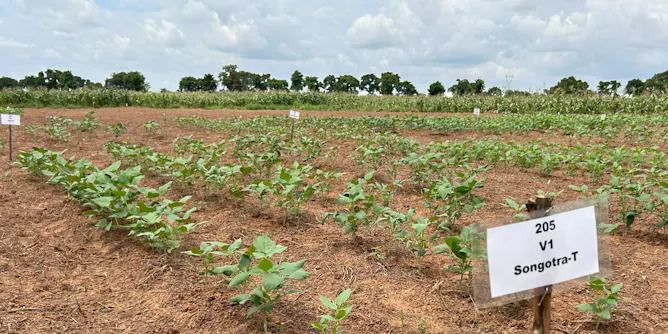
Research results demonstrate the potential of GM cowpea to enhance yields and profitability for resource-poor farmers.
Articles on Genetically modified crops
Displaying 1 - 20 of 47 articles
Genetically modified crops are increasing yield and food security in developed countries, but in Africa, a lack of adoption is limiting success.
Debates about GMOs and gene-edited foods are multifaceted. There’s no evidence they’re not safe to eat, but no room for complacency either.

Lab-grown meat seems green, ethical and quirky – but at industrial scale, it’s likely to cause unforeseen problems.

Gene editing promises everything from treatments for serious conditions like sickle cell disease to the resurrection of the dodo.

The US recently approved the genetically modified fruit, which has enhanced nutritional qualities.
Kenya’s GMO policy about-turn was underpinned by improved safeguards on top of a commitment to review each new application on a case-by-case basis.
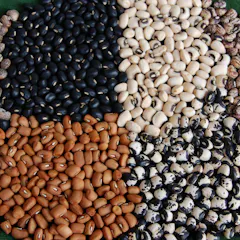
Cowpea is an important crop in Ghana. What will a genetically modified version mean for the country’s farmers?
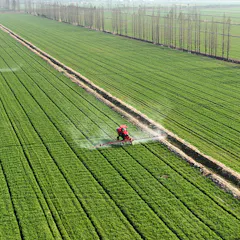
If China progressively increases production and becomes a consistent net exporter of maize, South Africa would have to explore markets elsewhere.
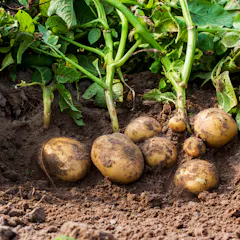
A regulatory approach will place an unnecessary burden on bio-innovators. This will discourage local investment for in-house R&D, as well as projects in the public sector.
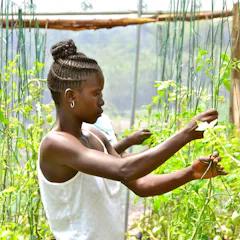
Hardline positions could narrow the options available to farmers and conservation practitioners in a way that can be harmful to both.
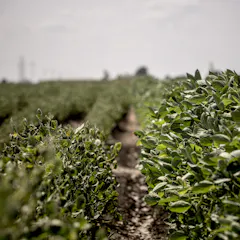
Farmers are stuck in a chemical war against weeds, which have developed resistance to many widely used herbicides. Seed companies’ answer – using more varied herbicides – is causing new problems.
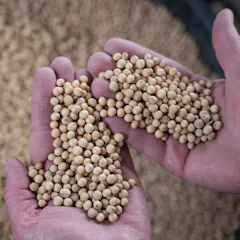
There’s a new label on many US food products – here’s what it means and who pushed to add it.
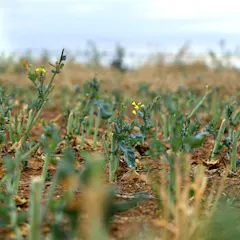
GM proponents say the technology leads to better crop yields and may solve food shortages and reduce pests. Opponents say GM is a threat to the environment and humans. So where does the truth lie?
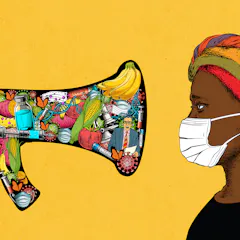
For anyone who has worked on crop improvement in Africa over the last three decades, the flood of misinformation around vaccines evokes an eerie sense of déjà vu.

Genetically modified organisms can help address current agricultural challenges, but public opinion is against them. Maybe the search for delicious decaf coffee could lead to widespread acceptance.
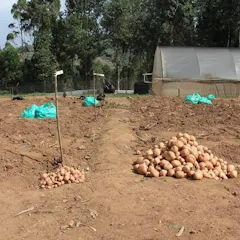
Could bioengineered potatoes play a crucial role in food security?
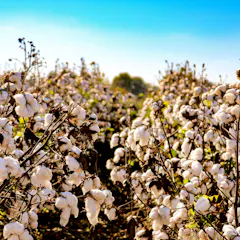
Burkina Faso’s genetically modified cotton success narrative was built on studies with methodological problems.
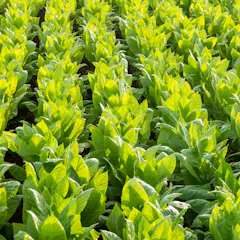
Tobacco has imposed a terrible toll on global health, but it could be used to produce the molecules we need to fight COVID-19.
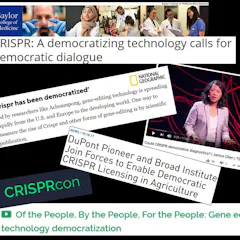
A new biotech regulation allows companies to self-police and decide which crops should be regulated. The new rule is likely to amplify greater distrust of GM crops.
Top contributors
-

Associate Professor, International Studies Department, University of San Francisco
-
Professor and Chair of Philosophy, Wageningen University
-
Professor and Chair Community Development and Applied Economics, University of Vermont
-
PhD candidate, Newcastle University
-
Postdoctoral Scholar, University of California, Berkeley
-
Senior Lecturer in International Relations, University of Bath
-
Professor of Plant Science, Lancaster University
-
Professor of Ocean Leadership, University of Tromsø
-
Professor of Plant Sciences, University of Oxford
-
Professor and DSTI/NRF SARChI Bio-economy Research Chair, University of Cape Town
-
Associate Professor, Hill and Levene Schools of Business, University of Regina
-
Lecturer in Ecology, Evolution and Computational Biology, Newcastle University
-
Senior Lecturer in Medical Microbiology, Edinburgh Napier University
-
CEO, Crops for the Future Research Centre and Professor of Global Food Security, University of Nottingham
-
Professor of Sustainable Agriculture, Nottingham Trent University