
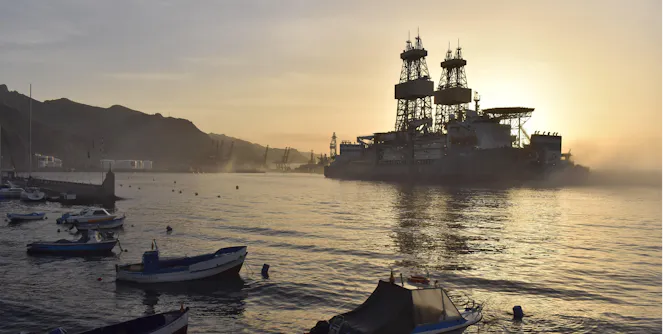
As few as 100 companies produced 60% of revenues in eight ocean industries in 2018.
Articles on Oceans 21
Displaying 41 - 59 of 59 articles
Each bit of plastic takes a unique journey once it reaches the ocean. We’re trying to spot the patterns.
The countries of the ASEAN region have important roles to play in tackling the global problem of marine plastic waste.
As more and more plastic trash permeates the oceans, fragments are making their way into fish and shellfish – and potentially into humans.
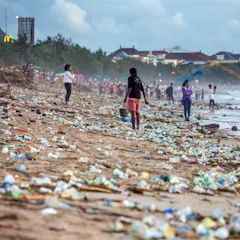
Polluted oceans don’t just harm wildlife, they are a source of ill health for humans too.
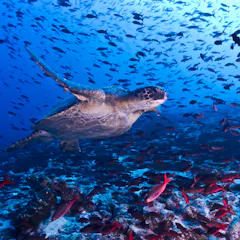
Marine protected areas will be important for achieving the ocean Sustainable Development Goals.
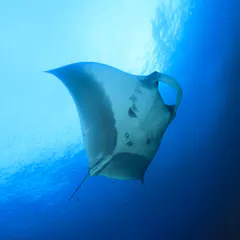
A high seas treaty could help rebuild populations – but time is running out.
There are more viruses in the ocean than stars in the Milky Way – and they’re fundamental to Earth’s biodiversity.
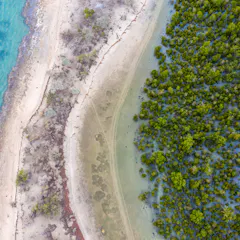
Despite their enormous value, mangroves are being removed at an alarming rate. A new tool aims to help communities reverse mangrove loss and tap into conservation programs and funding.
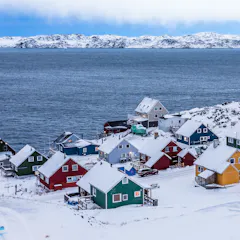
Microplastic pollution is a global issue, but where do they come from and how are they transported across the ocean? A new study finds polyester microfibres are common throughout the Arctic Ocean.

Whales are rediscovering their old haunts in the Arctic and Southern oceans after centuries of hunting.
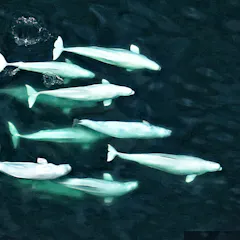
Belugas use sound to communicate, navigate the dark marine environment and find food. But climate change is opening up Arctic waters to more sound, and could affect the health and survival of belugas.
Global leaders pledged to protect 10% of the oceans by 2020. We’re nowhere close and the goal has proven particularly challenging to achieve in international waters.
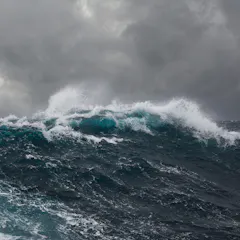
Oceans 21 is a Conversation international series examining the history and future of the world’s ocean.
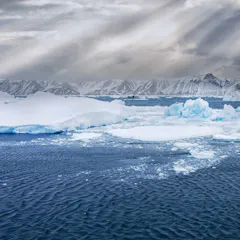
The Southern (Antarctic) Ocean is our planet’s primary storage of heat and carbon, and it’s home to extraordinary life forms, from tiny algae and spineless creatures to penguins, seals and whales.
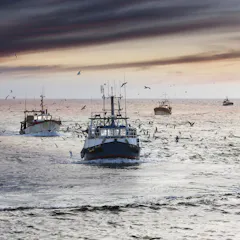
The Atlantic Ocean is still growing physically, but humans are over-harvesting its rich fisheries. The most famous one – North Atlantic cod – has become a textbook example of harmful overfishing.
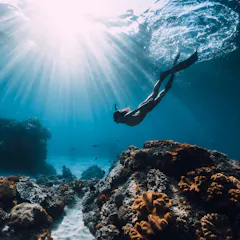
The Pacific Ocean produces oxygen, helps regulates the weather, provides food and livelihoods. It’s a place of fun, solace and spiritual connection. But its delicate ecology is under threat.
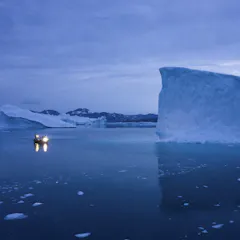
The Arctic has been a remote place for much of its history. But climate change is bringing global problems and opportunities to its door.
The Indian Ocean provides a new way of looking at world history that has been dominated by European accounts.
Top contributors
-

Postdoctoral Researcher in Sustainability Science, Stockholm University
-
ARC Future Fellow in Marine Ecology, The University of Western Australia
-
Professor in Ocean Physics, University of Auckland, Waipapa Taumata Rau; Earth Sciences New Zealand
-
Professor of International Development, Michigan State University
-
Vice Dean for Research, Arctic and Marine Biology, University of Tromsø
-
Professor of Global-Change Ecology, University of the Sunshine Coast
-
Professor and Chair of the Department of Marine Sciences, University of Miami
-
Harold T. Stearns Professor of Earth Science, Wesleyan University
-
Lecturer/researcher, University of Otago
-
Professor of Oceanography, University of Miami
-
Professor of Aquatic Resources Development, University of Stirling
-
Adjunct Senior Research Fellow in Conservation Biology, Charles Darwin University
-
Senior Research Associate in Atmospheric Science, University of Miami
-
Assistant Professor in Marine Geography, Heriot-Watt University
-
PhD Candidate in Biological Oceanography , University of Victoria