
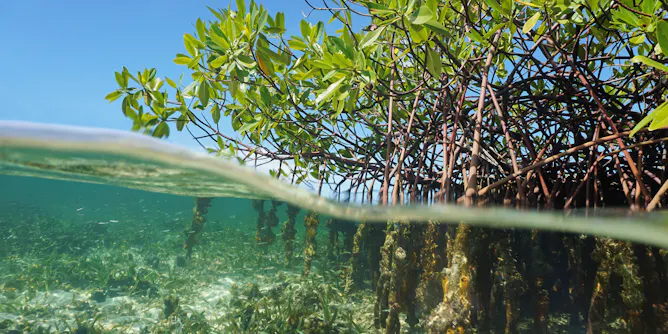
Nitrous oxide is a potent greenhouse gas, 300 times more powerful than carbon dioxide. Global emissions of N2O are on the rise as a result of human activities — and their impact on ocean ecosystems.
Articles on Oceans 21
Displaying 21 - 40 of 59 articles
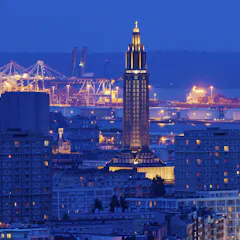
Carbon emissions from maritime shipping and port activities are on the rise. But city ports are finding ways to reduce their carbon footprints and reconnect with nearby cities.
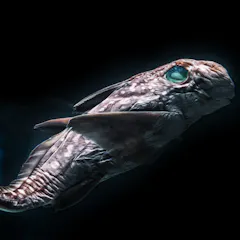
Contracts for exploring the deep sea are due to expire before a safe mining code can be agreed.
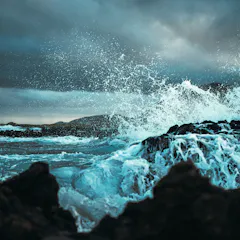
New research looked at wave conditions over the past 40 years, and found wave power has increased since at least the 1980s, mostly in the Southern Hemisphere.
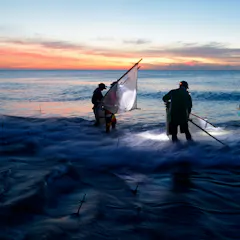
Indigenous marine governance is experiencing a revival throughout Oceania, building on traditional worldviews that acknowledge connections between people and all parts of ocean ecosystems.
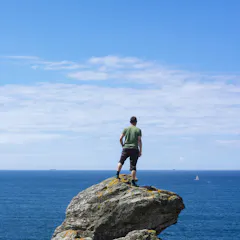
The oceans play a key role in regulating life on Earth. We must shift our view of them from as something to use if we hope to develop them sustainably.
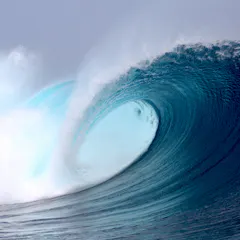
Ocean waves are a massive source of energy, but it’s challenging to design power generators for the harsh environment. Allowing marine organisms to grow on engineered structures could help.
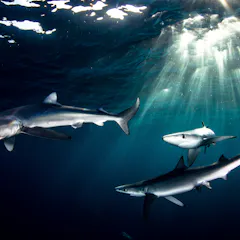
Sharks grow slowly and produce few young compared to bony fishes. In many cases, this means that their populations are fished out faster than can be replenished if not well managed.

Plus, why Brazilian women who lived through Zika are avoiding getting pregnant during the COVID-19 pandemic. Listen to episode 18 of The Conversation Weekly podcast.
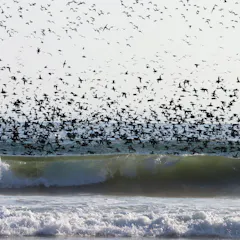
Seabirds journey vast distances across the Earth’s seascapes to find food and to breed. This means their biology, particularly their breeding success, can reveal what’s happening in our oceans.
Join us for a free online discussion about the history and future of the world’s oceans.
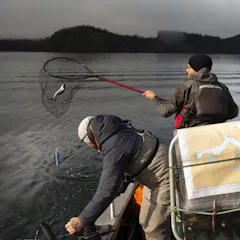
A study of viral variants finds Piscine orthoreovirus continuously spills over from farmed salmon to wild salmon.

Shakuntala Haraksingh Thilsted, a native of Trinidad and Tobago, is the winner of the 2021 World Food Prize for her work identifying small fish as valuable nutrition sources for developing countries.
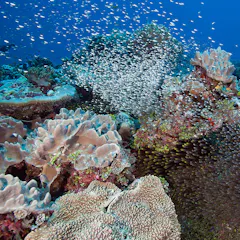
Scientists watched in real time as rising ocean heat transformed the sprawling reef. It was a harbinger for ecosystems everywhere as the planet warms.
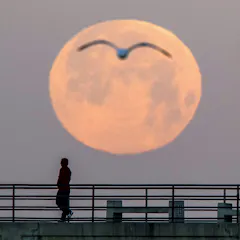
Sea level is still rising, and when that lunar cycle starts upward again, it will mean double trouble for places like Miami.
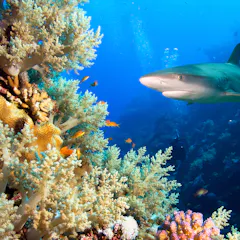
Climate change has already made tropical oceans too hot for some marine species to survive. As they flee towards the poles, the implications for ecosystems and human livelihoods will be profound.

Climate change is strengthening the division between the ocean surface and the abyss.
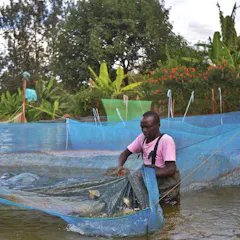
Aquaculture is a growing source of healthy protein for millions of people around the world, but there are big differences between farming fish on land and at sea.
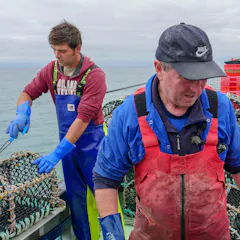
Around 75% of fishermen in the Outer Hebrides speak Gaelic. Their daily use of the language at work helps keep it alive.

Plus, new discoveries about early humans in Tanzania’s Olduvai Gorge. Listen to episode 5 of The Conversation Weekly podcast.
Top contributors
-

Postdoctoral Researcher in Sustainability Science, Stockholm University
-
ARC Future Fellow in Marine Ecology, The University of Western Australia
-
Professor in Ocean Physics, University of Auckland, Waipapa Taumata Rau; Earth Sciences New Zealand
-
Professor of International Development, Michigan State University
-
Vice Dean for Research, Arctic and Marine Biology, University of Tromsø
-
Professor of Global-Change Ecology, University of the Sunshine Coast
-
Professor and Chair of the Department of Marine Sciences, University of Miami
-
Harold T. Stearns Professor of Earth Science, Wesleyan University
-
Lecturer/researcher, University of Otago
-
Professor of Oceanography, University of Miami
-
Professor of Aquatic Resources Development, University of Stirling
-
Adjunct Senior Research Fellow in Conservation Biology, Charles Darwin University
-
Senior Research Associate in Atmospheric Science, University of Miami
-
Assistant Professor in Marine Geography, Heriot-Watt University
-
PhD Candidate in Biological Oceanography , University of Victoria