
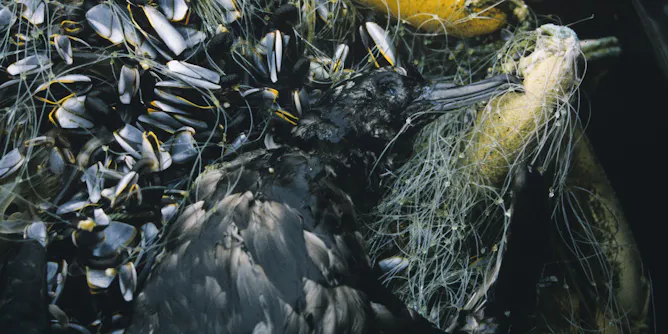
The toll on wildlife from illegal fishing, bycatch and entanglement in fishing gear is likely underestimated, because it doesn’t account for ‘dark’ fishing vessels, a new study finds.
Articles on Oceans
Displaying 241 - 260 of 926 articles
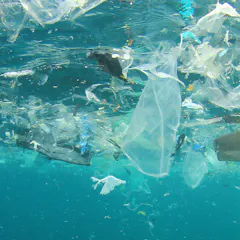
As it travels around the ocean, plastic litter can harm wildlife and marine habitats in many ways. This study highlights five key hotspots where floating plastic poses the biggest risk.

It remains one of the biggest aviation mysteries – the tragic disappearance of passenger flight MH370. But a new, targeted search of the seabed could still yield answers.
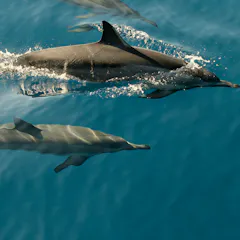
Let’s delve into the three super-senses of dolphins: magnetic perception, electrical perception and echolocation.
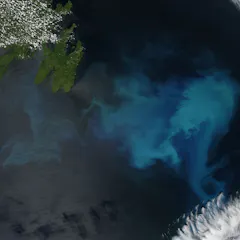
Recent research sheds light on the ocean’s annual ‘biological clock’ and highlights the key dynamics that make it susceptible to climate change.

Deeper ocean habitats (30-150 metres) are a key feeding ground for critically endangered hawksbill turtles.
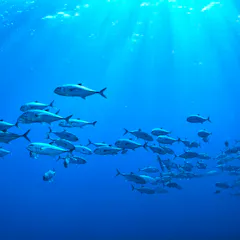
Recent research shows how reducing overfishing is both an ecological imperative and a critical means to addressing climate change.
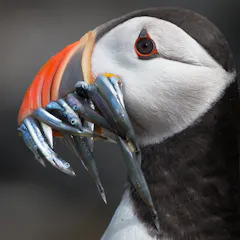
Many seabird colonies around UK coastlines struggle to breed because the sandeels they feed on have been overfished. The upcoming closure of sandeel fisheries will be good news for marine wildlife.
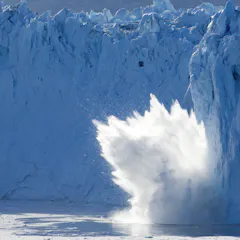
Scientists now have a better understanding of the risks ahead and a new early warning signal to watch for.
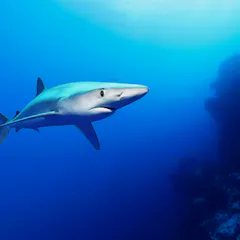
Trophy fishing is a big threat to some of the most threatened species of fish, but there are ways to adapt the sport with marine conservation in mind.
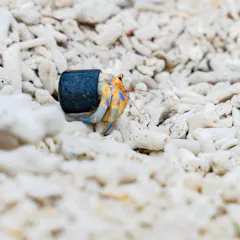
Hermit crabs have been using plastic waste such as bottle tops as homes instead of empty snail shells.
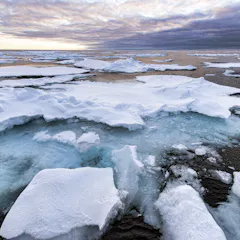
Norway has become the first nation on earth to allow deep-sea mineral exploration. But opening this industry could put Norway in murky legal waters.
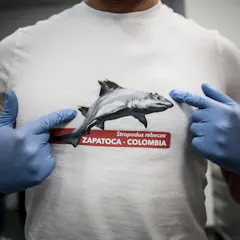
‘Jaws,’ published in 1974, terrified the public of sharks, but it also brought shark research into the scientific mainstream.
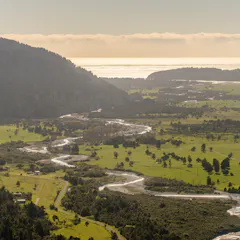
Over 200 million tonnes of sediment are transported by rivers to the sea each year, the most widespread water contaminant in the country. Its devastating impact on marine life has to be reversed.
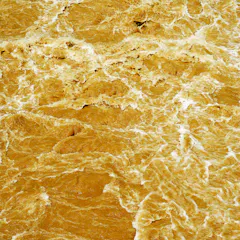
Floodwaters pulsing into the sea normally clear within six days. But the 2022 floods in eastern Australia were different.
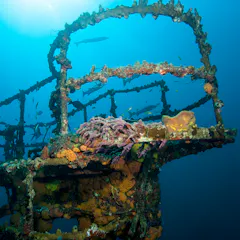
Artificial reefs are structures that humans put in place underwater that create habitat for sea life. A new study shows for the first time how much of the US ocean floor they cover.

The combination of the source of the CO₂ and its end use determines its environmental and economic benefits or consequences.
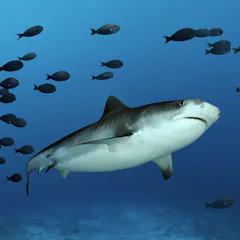
A new initiative is pinpointing areas in the world’s oceans that are key habitats for sharks and their relatives, so that governments can consider protecting these areas.

Anchovies cause a stir as they mate – getting the oceans moving.
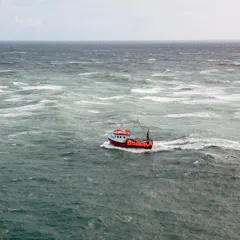
A new study reveals that 75% of the world’s industrial fishing vessels are hidden from public view.
Top contributors
-

Professor, School of the Environment, The University of Queensland
-
Harold T. Stearns Professor of Earth Science, Wesleyan University
-
Distinguished Scholar, National Center for Atmospheric Research; Affiliate Faculty, University of Auckland, Waipapa Taumata Rau
-
Director of the ARC Centre of Excellence for Our Future Oceans and Scientia Professor in Oceanography, UNSW
-
Distinguished Professor of Marine Science, King Abdullah University of Science and Technology
-
Research Scientist, Stanford University
-
Senior Principal Research Scientist, Environment, CSIRO
-
Faculty Research Associate in Marine Biology, Arizona State University
-
Professor of Marine Botany, The University of Western Australia
-
Chief Research Scientist - Environment, CSIRO
-
Professor of Biology, Department of Biology, University of Victoria
-
Professor and Deputy Vice-Chancellor (Research), University of Sydney
-
CSIRO Fellow, CSIRO
-
Professor of Complex Systems and Environmental Policy, Bournemouth University
-
Associate Professor in Marine Biology, Swansea University