
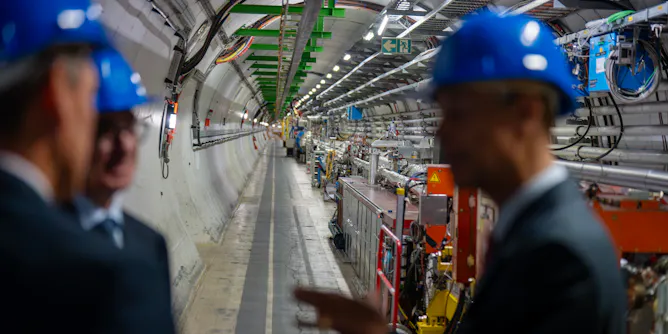
Particle accelerators aren’t just for testing the Standard Model. They’re also used to diagnose and treat disease and study world history.
Articles on Nobel Prize
Displaying 1 - 20 of 267 articles

When a chemist wrote a book about vitamin C curing the common cold, the world took note. How wrong we all were.
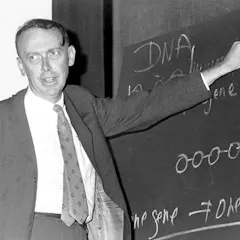
James Dewey Watson is best known for his Nobel Prize-winning discovery of the structure of DNA. Controversy around who should be credited highlights the challenges of scientific collaboration.
At the same time Australia has inked a deal with the US on critical minerals, it’s proposing cuts to facilities that underpin its clean energy ambitions.
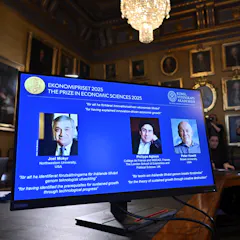
A better understanding of growth could help to improve living standards in the world’s poorest countries.
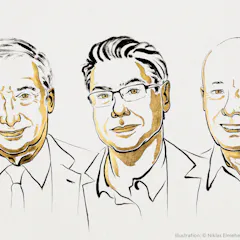
Collectively, the trio’s work has examined what drives sustainable economic growth over time, including scientific innovation and the birth and death of firms.
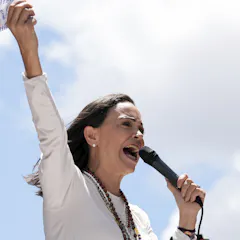
With the world’s traditional champion of democratic governance in retrenchment, other pro-democracy forces are stepping into the breach — including the Nobel Committee.

2025’s Nobel Prize in Physics is a tribute to the scientists who first discovered quantum behaviors in a macroscopic electrical circuit.
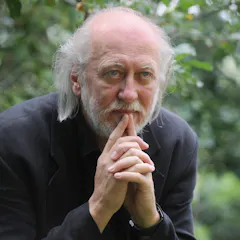
It took over a decade for the Hungarian novelist to be recognised in English-speaking countries.

By trapping different molecules, metal-organic frameworks could make for efficient breath sensors that predict lung disease, cancer or diabetes.
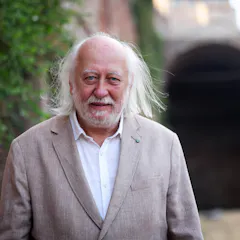
Krasznahorkai’s language is the mad scream of a godless universe at our inexcusable squandering of every good thing given to us by chance.
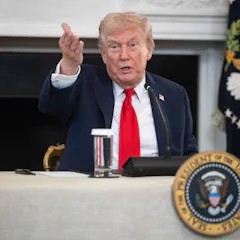
Donald Trump might seem like an unlikely candidate, but previous winners have come in for criticism too.
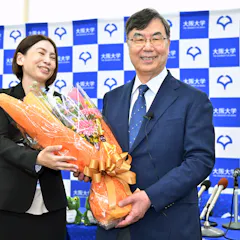
Listen to Shimon Sakaguchi, one of the 2025 Nobel laureates in medicine, talk about his research on The Conversation Weekly podcast.
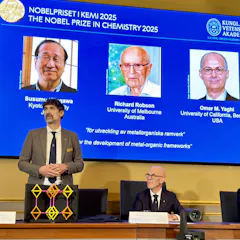
Just a gram of these tiny crystals can have an internal surface area as big as a soccer field. A materials expert explains the almost magical chemistry of MOFs.
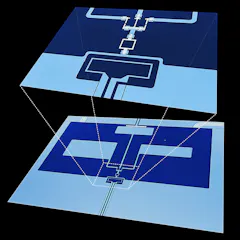
The discovery that superconducting circuits can behave like quantum particles was a revolutionary development in the field of quantum technologies.
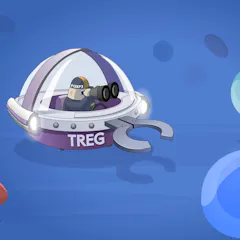
How this year’s Nobel-winning research could make cancer immunotherapy even smarter.
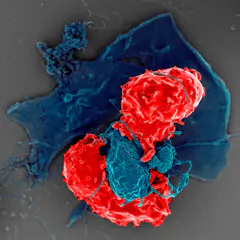
Regulatory T cells help your immune system distinguish between ‘self’ and ‘nonself’ – and can open doors to better treatments for cancer, autoimmune disease and transplant rejection.
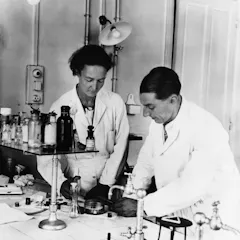
Marie Curie’s daughter Irene continued her family’s Nobel legacy by discovering artificial radioactivity.

From rising global temperatures to the fast-warming Arctic, early climate models predicted the changes half a century ago.

Eventually, I found his famous novels in a souvenir shop in his home town that mostly sold skin-care products.
Top contributors
-

Emeritus Robert Reford Professor and Professor of Medicine, McGill University
-
Professor of Nuclear Physics, Michigan State University
-
Laureate Professor Emeritus, The Peter Doherty Institute for Infection and Immunity
-
Professor and Lincoln Professor of Ethics in Public Affairs, Arizona State University
-
Chancellor's Professor of Medicine, Liberal Arts, and Philanthropy, Indiana University
-
Professor of Chemistry, Connecticut College
-
Professor of Science Communication and Chemistry, University of Hull
-
Professor of Writing and Literature, Deakin University
-
Professor, Monash University
-
Lecturer in African and African Diasporan Literature, University of Lagos
-
Senior Lecturer in Economics, Cardiff University
-
Head of School for Physics, University of Sydney
-
Emeritus Professor, Brunel University of London
-
Professor at Division of History of Ideas and Sciences, Lund University
-
Distinguished Professor Emerita of Creative Practice, Faculty of Arts and Design, University of Canberra