
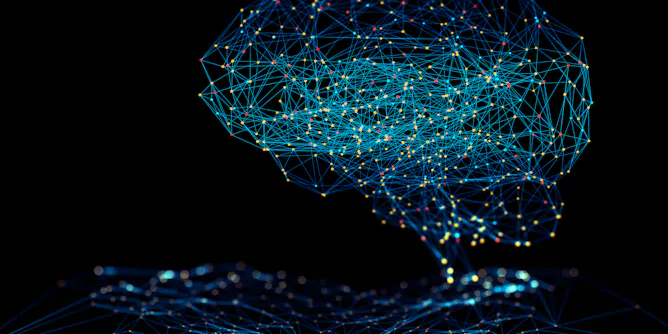
Neural networks today do everything from cameras to translations. A professor of computer science provides a basic explanation of how neural networks work.
Articles on Neural networks
Displaying 41 - 60 of 68 articles

Text generators like GPT-3 can produce remarkably convincing writing, but they can’t do away with human supervision just yet.

The most interesting thing is how free Gertrude is to move around while the implanted chip collects the data.
A bioengineer explains how a clearer picture of brain structure and function may fine-tune the ways brain surgery attempts to correct structure and medication tries to correct function.

The internet has allowed pseudoscience to flourish. Artificial intelligence could help steer people away from the bad information.
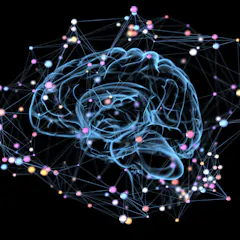
Sections in the brain called “senders” and “receivers” are responsible for directing neural traffic, and we are now a step closer to understanding how they work.
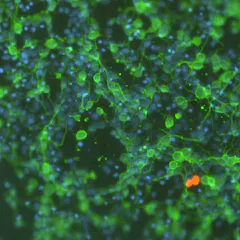
Finding out more about how the brain works could help programmers translate thinking from the wet and squishy world of biology into all-new forms of machine learning in the digital world.

Robots for tutoring? The desire to keep pace with technological change should not eclipse larger questions about how children’s development is impacted.

Because a host of artists and programmers can leave their stamp on a final product, disagreements and claims of theft have ensued.

Artificially intelligent drug design programs could discover new therapies for conditions that are difficult or prohibitively expensive to cure.
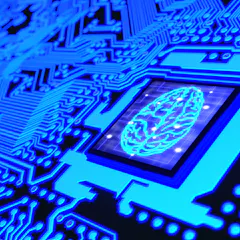
Combining quantum computing with neural networks could produce AI that can make very complex decisions quickly.
Beware of the blind use of artificial intelligence: used as a “magic wand”, for example in an autonomous car, it presents risks.
The dangers of AI solutionism need to be addressed.

Google’s latest AI promises to help arrange your life by making appointment for you over the phone, but it’s limited by its rote learning of the simple tasks of everyday life.

AI seems able to answer questions at the heart of humanitarianism – questions such as who we should save, and how to be effective at scale.

The chatbot industry sees more data as the answer to building a truly conversational system. But the industry may be teaching chatbots the wrong thing.

The current push towards AI categorisation of people is in danger of embedding a binary view of society.
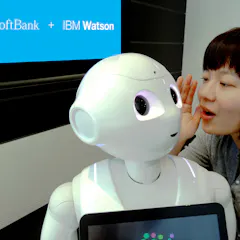
Robots have a lot to learn from humans when it comes to memory.
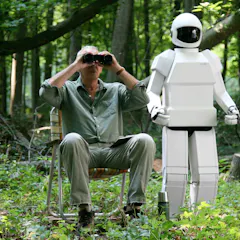
How can you prepare for the coming AI revolution? Here’s a handy survival guide.
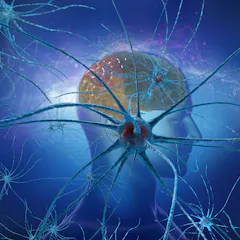
Fresh hope for sufferers of mental illness.
Top contributors
-

Senior Research Fellow in AI Accountability, Queensland University of Technology
-
Principal Research Fellow at AI and Cyber Futures Institute, Charles Sturt University
-
University Distinguished Professor of Astronomy, University of Arizona
-
Assistant professor, University of Chicago
-
Professor of Mathematics, Electrical and Computer Engineering, Biochemistry and Molecular Biology, Michigan State University
-
Senior Clinical Research Fellow, Department of Psychiatry and Faculty of Philosophy, University of Oxford
-
Postdoctoral Research Fellow, The University of Queensland
-
Assistant Professor of Geography, Michigan State University
-
Research Fellow, Robotics & AI, Queensland University of Technology
-
Researcher, Human-Machine Interaction, The MARCS Institute, Western Sydney University
-
Distinguished professor, Texas A&M University
-
Professor of Physical Chemistry & Director of Centre for Computational Science, UCL
-
Lecturer, Public Policy and Law, Monash University
-
Professor of Artificial Intelligence, University of Hertfordshire
-
Senior Research Fellow, Horizon Digital Economy, UnBias, University of Nottingham