
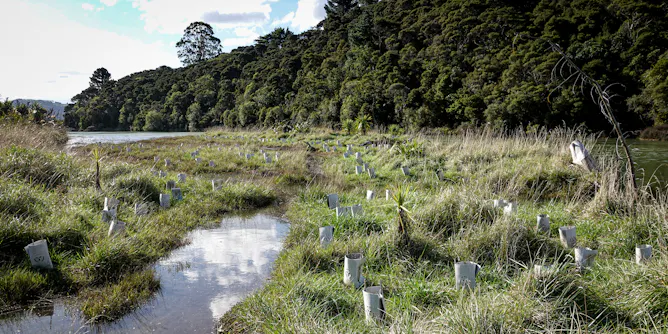
For nature-based climate adaptation, better data is only one part of the full system required to determine where to act, who decides and how action will be funded.
Articles on Nature restoration
Displaying 1 - 20 of 28 articles

New research measures the effectiveness of peat restoration on wildfire risk.

From oyster reefs to bandicoot grasslands, many Australian ecosystems no longer exist. Restoring nature is a good goal – but we cannot return to the past.
Europe is rethinking security: as geopolitical tensions rise, Russia looms and climate risks intensify, can restoring nature help defend both nations and the planet?
People are central to conservation.
It can be hard for governments to prioritise the risks of ecosystem collapse above conflict, energy poverty and food supply chain issues
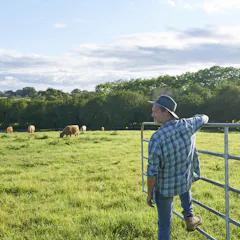
Nature and agriculture are often at odds. But an Australian study suggests farmers who plant more trees are better off – financially and environmentally.
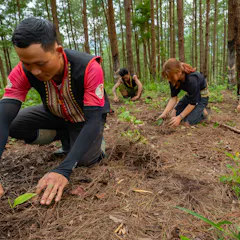
Restoring the ability of local communities to act as guardians of nature is a promising approach to both ecological and social recovery.
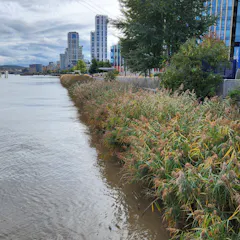
From concrete walls to living edges, the Thames is being reshaped to support fish, wildlife, and a healthier urban river.

Australia is among many countries working to protect and restore nature at scale. But long-awaited environmental law reforms won’t help much as they stand.
Natural infrastructure can be restored in ways that reduce both flood risk and the effects of drought.

Bringing nature back to our cities doesn’t just mean plants and birds. We can bring native animals back too.

Sharing the stories of progress and innovation that show how our patches of the sea are recovering can show what’s possible and inspire further positive action.

New research found regrowth in Queensland provided valuable habitat after 15 years, on average, with some species benefiting from trees as young as 3 years of age.
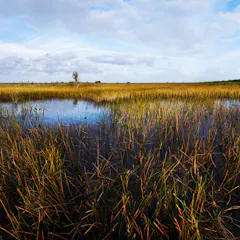
Changes to the landscape and pollution have harmed this vital ecosystem known as the ‘river of grass.’
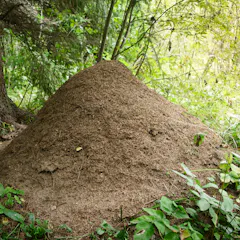
Many animals change landscapes by acting as ‘ecosystem engineers’. Protecting and restoring nature can help us become more climate resilient.
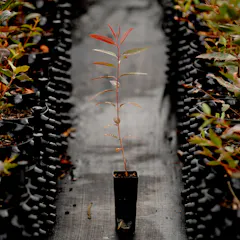
Nature can provide solutions to problems such as biodiversity loss and climate change. But the best nature-based solutions are resilient to disturbance such as fire or drought and future change.

By listening to the “heartbeat” or soundscape of soil, we can learn more about its condition. Think of poor soil as a lifeless party. Healthy soil is where you’ll find the good vibes and chatter.
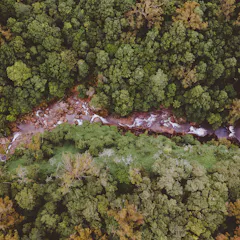
Koalas in trouble, land clearing at speed – nature in New South Wales is not well. Now the government is proposing significant changes to its ineffective biodiversity laws.
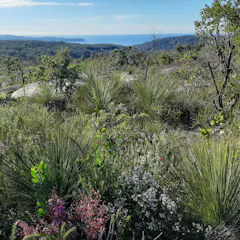
The need to restore native vegetation is clear, but we can’t properly repair nature without good, diverse supplies of native seeds.
Top contributors
-

Professor of Environmental Management, The University of Queensland
-
Professor and ARC Future Fellow, Hawkesbury Institute for the Environment, Western Sydney University
-
Postdoctoral Research Fellow, Hawkesbury Institute for the Environment, Western Sydney University
-
Professor of Biodiversity & Conservation and Co-Lead, Australasian Wildlife Genomics Group, University of Sydney
-
Senior Research Fellow, School of Geography, Earth and Atmospheric Sciences, The University of Melbourne
-
University Fellow in Biodiversity, Charles Darwin University
-
Professor in marine ecology, UNSW
-
Professor, Conservation Biology, Zoological Society of London
-
Professor in Natural Resource Economics, Adelaide University
-
Research Fellow at The International Institute for Applied Systems Analysis (IIASA) and Melbourne Climate Futures, The University of Melbourne
-
Tasso Leventis Professor of Biodiversity, University of Oxford
-
Postdoctoral Researcher, Department of Biology, Aarhus University
-
Professor of Environment and Development, University of East Anglia
-
Professor in Environment and Development, University of East Anglia
-
Postdoctoral research fellow, UNSW