
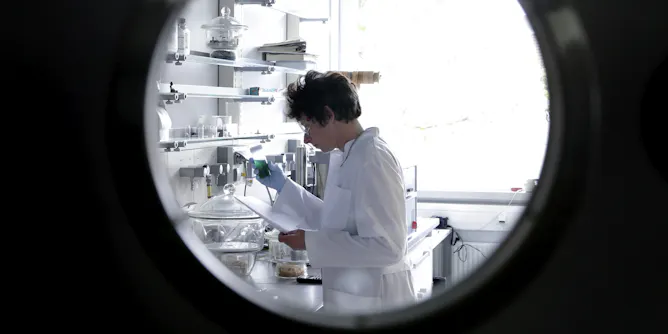
US science lost a great deal in 2025, including tens of billions of dollars of federal funding, entire research agencies and programs, and a generation of researchers.
Articles on National Institutes of Health (NIH)
Displaying 1 - 20 of 30 articles

The agency’s budget has grown steadily since the 1960s, fueling an industry that creates lifesaving medicines and attracts billions of dollars in investment.

Taxpayer-funded investment supports basic research that can yield crucial medical advancements down the line and make lifesaving drugs and technologies affordable for everyday people.

The losses include millions of dollars the NIH has already spent on research that will no longer generate results, and the next generation of scientists whose work has been cut short.

A scholar reveals the ins and outs of how research gets funded, including the checks and balances that ensure high scientific standards and financial integrity at every stage of a grant’s lifecycle.

The US cuts in research funding are devastating to the fight against HIV/Aids. It’s going to be very hard to recover.
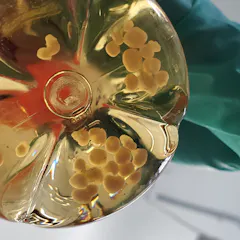
There are several steps between research on seemingly esoteric subjects and breakthrough medical treatments. Ethical oversight at every stage ensures science and society ultimately benefit.
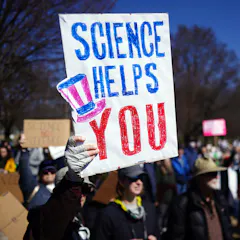
Stories from the front line of the US government’s attack on federal science funding. Listen to The Conversation Weekly podcast.
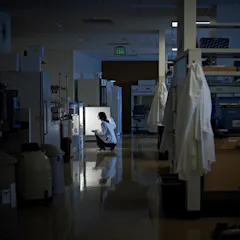
Since 1971, the US has led the world in funding cancer research and developing new treatments that have driven down death rates. This may soon no longer be the case.

Health Secretary Robert F. Kennedy Jr.’s new vision for US health policy prioritizes deregulation and leaves Americans with fewer benefits, services and protections.

The National Institutes of Health has been integral to scientific progress in treating countless human diseases. Without its support, patients will ultimately pay the price.
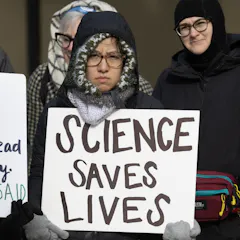
The majority of the 23 states disproportionately affected by the cuts are red states.

It costs money to maintain the various facilities, utilities and personnel that allow scientists to conduct research in the first place. Without federal support, institutions are left scrambling.

Attacks on scientific expertise have been increasing, especially in politics. Health and Human Services nominee Robert F. Kennedy Jr. is among the more prominent people who have done that.
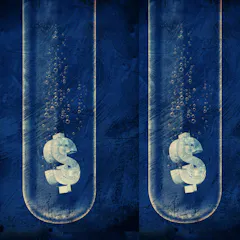
A member of a grant review panel explains the ins and outs of applying for research funding – and the consequences of when the process suddenly stops.

Overseeing the FDA, NIH and several other public health and medical research divisions, the HHS secretary is a powerful force in how the nation accesses health care.
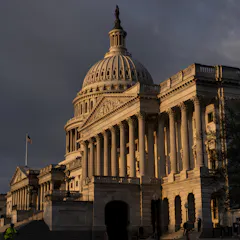
Research funding is down in recent years despite promises made with the CHIPS and Science Act.

Renee Wegrzyn will lead the new Advanced Research Projects Agency for Health, which is tasked with speeding up how fast basic science is translated into real-world applications.

Starting in 2023, all research proposals funded by the NIH will need to include a data sharing and management plan. An expert on open science explains the requirements and how they might improve science.
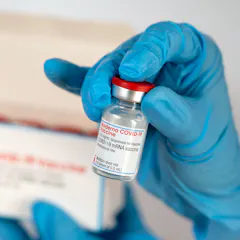
Moderna claims its scientists alone invented the mRNA sequence used to produce its COVID-19 vaccine. The US government, which helped fund the drug, disagrees.
Top contributors
-

Professor of Pharmaceutical Sciences, University of Iowa
-
Distinguished Professor, Infectious Disease and Oncology Research Institute, Faculty of Heath Sciences, University of the Witwatersrand, Executive Director Perinatal HIV Research Unit, Chief Scientific Officer, South African Medical Research Council
-
Professor of Economics, The Ohio State University
-
Director, Center for Integration of Science and Industry, Bentley University
-
Professor of Philosophy and Environmental Studies and Sciences, Gonzaga University
-
Associate Professor of Obstetrics, Gynecology and Reproductive Biology, Michigan State University
-
Associate Professor of Chemistry, Carnegie Mellon University
-
Associate Professor of Sociology and Co-Director of the Center for Gender in Global Context, Michigan State University
-
Assistant Professor of Health Policy and Administration, University of Illinois Chicago
-
Professor of Neurological Surgery, UMass Chan Medical School
-
Interim Director and Professor of the School for the Future of Innovation in Society, Arizona State University
-
Postdoctoral Research Fellow in Neuroscience, National Institutes of Health
-
Professor of Interactive Games and Media, Rochester Institute of Technology
-
Professor, Abell Chair in Synthetic Biology, Colorado State University
-
University Distinguished Professor of Astronomy, University of Arizona