
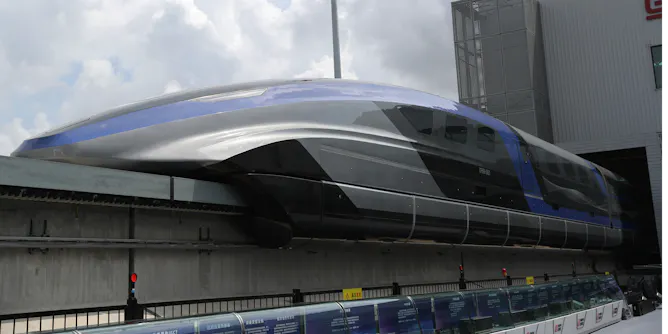
Superconductors make highly efficient electronics, but the ultralow temperatures and ultrahigh pressures make them costly and difficult to use. Room-temperature superconductors promise to change that.
Articles on MRI
Displaying 21 - 40 of 67 articles

A panel of experts has deemed the digital rectal examination to be inferior to MRI in monitoring prostate cancer in men.

How do you determine whether one brand is similar enough to another to infringe on its trademark? Researchers propose that comparing brain scans could be an option.

AI algorithm that detects brain abnormalities could help cure epilepsy.
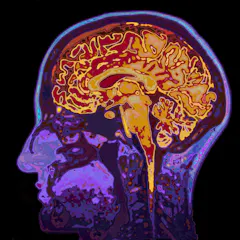
Our new research reveals that how unique a young person’s brain is could alert us to the likelihood of future psychological distress.

The growth and decline of the human brain mapped in an ambitious global project.

Health researchers hope a new regulation requiring hospitals to post their prices will tame soaring health care costs, but compliance and standardization are hurdles.

Rather than distinctly male or female, the human brain is much more like the heart, kidneys and lungs – basically the same no matter the sex of the body it’s in.
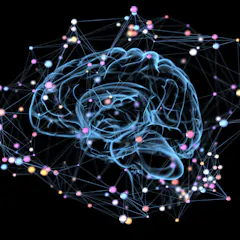
Sections in the brain called “senders” and “receivers” are responsible for directing neural traffic, and we are now a step closer to understanding how they work.
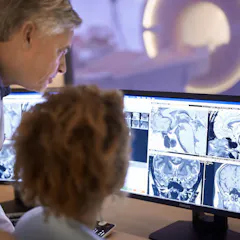
Automated decision making has been around in healthcare since the 1970s, and now radiology is the new frontline where AI is being deployed.

Researchers get their first glimpse into what happens in the brain when we consciously relinquish control over our actions and go with the flow.
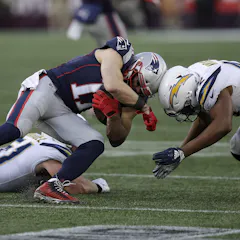
A standard clinical MRI is not sensitive to the distributed and microscopic injuries in a concussed brain. But new discoveries are in the pipeline.
Leaders in private and public organizations should seek creative problem-solving skills to better innovate. Design thinking may be the answer.

Helium lifts balloons and makes our voices squeak. But its supply on Earth is finite and is critical for modern industrial processes and medical imaging in hospitals. How worried should we be?

With artificial intelligence, machines can now examine thousands of medical images for signs of disease. Will this technology replace doctors – or work side by side with them?

All parents should understand the symptoms of concussion, whether their child plays sports or not.
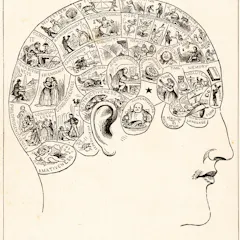
The Victorians believed that the shape and size of the skull could reveal details about a person’s demeanour. Now it’s been put to the test.
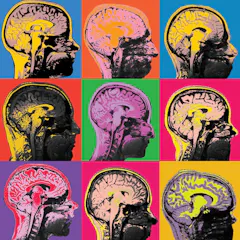
Take a look at some of the amazing neuroscience images out of the Queensland Brain Institute this year.
From cheap prosthetic arms for landmine victims in Sudan to the promise of surgery on astronauts in space — 3D printing is sparking a healthcare revolution.
Epilepsy affects around 70 million people globally, 80% live in developing countries. A shortage of specialists, equipment and drugs complicates effective treatment and management.
Top contributors
-

Senior Research Fellow, The Perron Institute for Neurological and Translational Science, and Faculty of Health Sciences, Curtin University
-
Associate professor, Florey Institute of Neuroscience and Mental Health
-
Postdoctoral Research Fellow, The University of Queensland
-
Professor of Biomedical Engineering, Case Western Reserve University
-
Bradley Distinguished Professor, Adelaide University
-
Professor of Geoenergy, Carbon Capture and Storage, Durham University
-
Postdoctoral Researcher in Cognitive Neurosciences, The University of Queensland
-
Professor of Surgery and Director of the Virtual Health Hub and the Remote Presence Robotic Program at the University of Saskatchewan, University of Saskatchewan
-
Professorial Research Fellow, University of Sydney
-
Chancellor's Professor of Medicine, Liberal Arts, and Philanthropy, Indiana University
-
Scientia Lecturer, UNSW
-
Postdoctoral research student, KEMRI-Wellcome Trust Research Programme, Kenya Medical Research Institute
-
Professor and Head of the Epilepsy Neuroinformatics Laboratory, Florey Institute of Neuroscience and Mental Health
-
Professor, Monash University
-
Postdoctoral Researcher, The University of Queensland