

An MRI study zeroes in on the brain networks that underline collective appreciation of art.
Articles on MRI
Displaying 1 - 20 of 67 articles
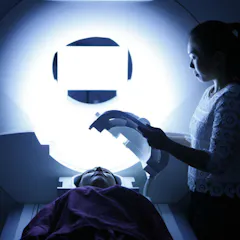
A new technique can reveal cellular changes linked to the disease that were previously visible only in brain tissue after death.
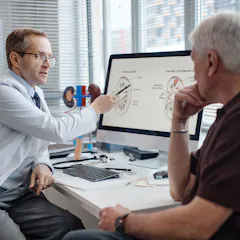
Kidney disease is often associated with dialysis or transplants, but it also affects memory and concentration, and increases stroke risk.

This little-known brain disorder is currently one of the biggest challenges facing medicine where age-related diseases are concerned.
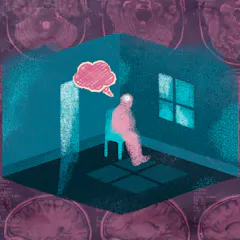
Therapies aimed at reframing negative thoughts may not work for some people with PTSD. New research shows it may be because their brains work differently after trauma.

Here’s what these brain ‘holes’ and the scans that found them really mean.
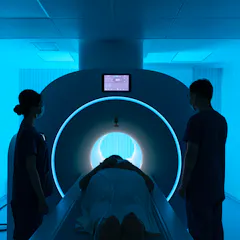
One big risk is overdiagnosis: the more you test, the more you’ll find. Much of this may be clinically irrelevant, meaning unnecessary follow-ups, costs and anxiety.
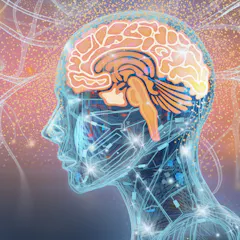
Science has done many things that seem miraculous. Why not transfer your consciousness to a machine?
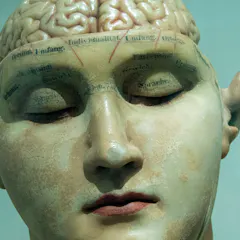
Having a word “on the tip of the tongue” has happened to all of us. Behind this everyday phenomenon lie complex brain mechanisms.

Social isolation can have serious adverse effects on young people’s brain development – effects that are long lasting.

The world’s largest genetic study on the size of specific brain parts has revealed hundreds of clues about how some health conditions develop.
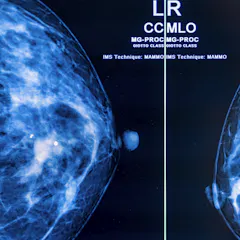
The FDA’s rule change requires that all women in the US be informed about breast density and options for supplemental screening.

Oral contraceptives modify the menstrual cycle. What’s less well known is that they also reach the brain, particularly the regions important for regulating emotions.

With the fourth significant shortage of helium in a decade continuing, companies and researchers are looking for alternative sources.
Research suggests AI could diagnose depression from health records or even social media posts. And it could overcome GP bias when it comes to prescribing medications.

New research shows that rugby players’ hamstrings are stiffer than active people who don’t play rugby.

Doctors weren’t happy when celebrity Kim Kardashian promoted whole-body MRI scans recently. But that doesn’t mean they don’t hold promise for understanding ageing on a grander scale.

While there is no guarantee of warding off cognitive decline, encouraging people to be physically, mentally and socially active could potentially keep a significant number of dementia cases at bay.

Brain scans have been used to interpret thoughts, but how far can this technology go?
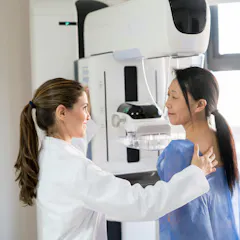
Dense breast tissue is common and normal, but it can make cancer more difficult to detect. FDA requirements going into effect in September 2024 will dictate that patients be better informed about it.
Top contributors
-

Senior Research Fellow, The Perron Institute for Neurological and Translational Science, and Faculty of Health Sciences, Curtin University
-
Associate professor, Florey Institute of Neuroscience and Mental Health
-
Postdoctoral Research Fellow, The University of Queensland
-
Professor of Biomedical Engineering, Case Western Reserve University
-
Bradley Distinguished Professor, Adelaide University
-
Professor of Geoenergy, Carbon Capture and Storage, Durham University
-
Postdoctoral Researcher in Cognitive Neurosciences, The University of Queensland
-
Professor of Surgery and Director of the Virtual Health Hub and the Remote Presence Robotic Program at the University of Saskatchewan, University of Saskatchewan
-
Professorial Research Fellow, University of Sydney
-
Chancellor's Professor of Medicine, Liberal Arts, and Philanthropy, Indiana University
-
Scientia Lecturer, UNSW
-
Postdoctoral research student, KEMRI-Wellcome Trust Research Programme, Kenya Medical Research Institute
-
Professor and Head of the Epilepsy Neuroinformatics Laboratory, Florey Institute of Neuroscience and Mental Health
-
Professor, Monash University
-
Postdoctoral Researcher, The University of Queensland