
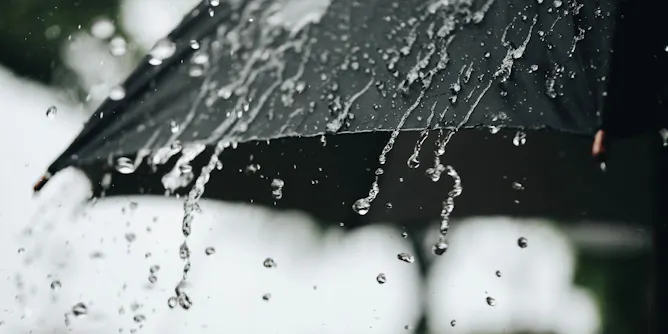
Extended periods of rain are most likely found in locations where mountains are near oceans.
Articles on Mountains
Displaying 61 - 80 of 93 articles
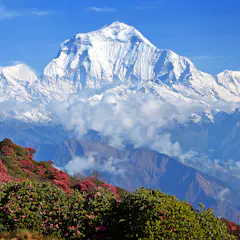
Mountains can’t be created without lubricant, and 2 billion years ago that lubricant was graphite produced by the carbon broken down from layers of dead plankton on the ocean floor.
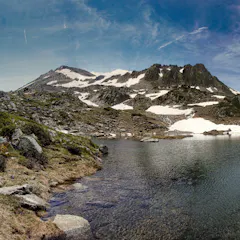
Mountain ecosystems are not as pristine as we may think – and climate change could trigger devastating transformations that will affect us all.
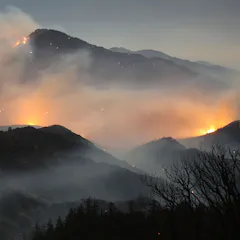
As the risk of fires rises in areas once considered too wet to burn, it creates hazards for mountain communities and for downstream water supplies.
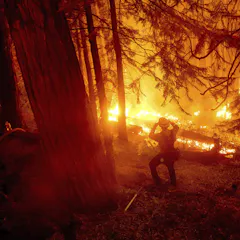
Not all forests respond to hotter and drier conditions in the same way.
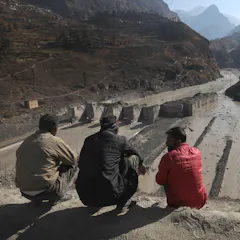
Dams built in an earlier age are suddenly vulnerable as the climate shifts.
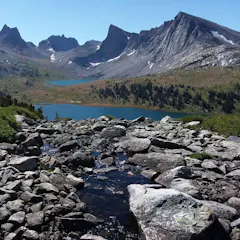
The area’s iconic national parks are home to grizzlies, elk and mountain snowfall that feeds some of the country’s most important rivers. A new report show the changes underway as temperatures rise.
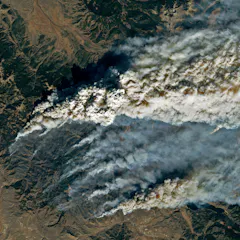
Scientists studied charcoal layers in the sediment of lake beds across the Rockies to track fires over time. They found increasing fire activity as the climate warmed.
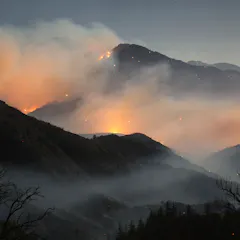
As the risk of fires rises in areas once considered too wet to burn, it creates hazards for mountain communities and for downstream water supplies.
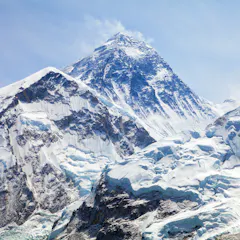
Everest didn’t become the highest mountain overnight. This process was excruciatingly slow; a result of complex interactions between the solid earth, the atmosphere and the biosphere.

Glaciers support a unique community of plants, many of which are found nowhere else.
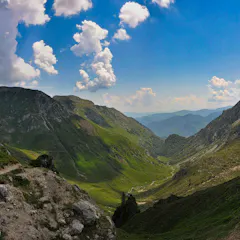
We think of mountains as remote and little affected by human activity. Unfortunately, the negative impacts of what we do has important implications for nature, wildlife and human society.
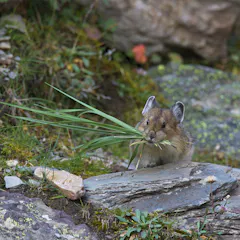
Pikas – small cousins of rabbits – live mainly in the mountainous US west. They’ve been called a climate change poster species, but they’re more adaptable than many people think.
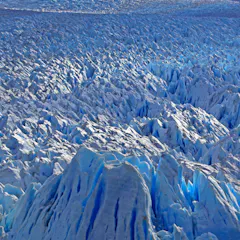
The parable of the dragons underlines the need to apprehend glacier disappearance in a transdisciplinary way, to create a dialogue between the physical, ecological and philosophical sciences.
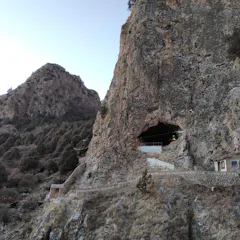
Early humans called Denisovans lived in a remote mountain cave between 100,000 and 60,000 years ago, and possibly longer still, raising intriguing questions about their relationship to modern humans.
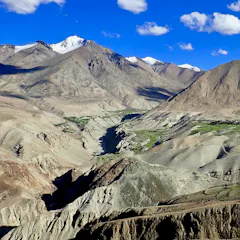
Earth’s magnetic field locks information into lava as it cools into rock. Millions of years later, scientists can decipher this magnetic data to build geologic timelines and maps.

In the Catalan Pyrenees, women shepherds and cattle ranchers try to valorise the ancestral agropastoral culture to save the mountains from climate change.
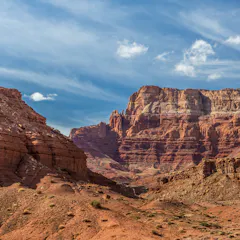
As strange as it sounds, rocks are made from stardust.

A new report predicts that one-third of the ice in the Himalayas will melt, even if we contain global warming to 1.5C. So what does that mean for the flood-prone valleys below?
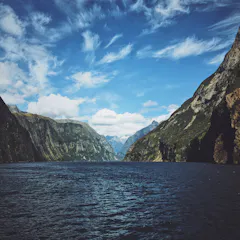
When I was little, geologists worked out Earth’s surface was made of pieces, like a giant puzzle. Those pieces, called “tectonic plates”, move and bump into each other and mountains form.
Top contributors
-

Research Associate in Climate Science, Massachusetts Institute of Technology (MIT)
-
Associate Professor of Civil Engineering, Boise State University; United Nations University
-
Directeur de recherche CNRS, Expert for Conservation Biology, Axa Chair for Functional Mountain Ecology at the École Nationale Supérieure Agronomique de Toulouse, Centre national de la recherche scientifique (CNRS)
-
Professor of Paleoclimatology and Paleoecology, University of Wyoming
-
Professor of Physical Geography, University of the Witwatersrand
-
Research Scientist in Ecological Transformation, University of Colorado Boulder
-
Associate Professor of Environmental Management, University of Waterloo
-
Professor of Fire Ecology, University of Montana
-
Chair in Global Tectonics and Paleogeography, Utrecht University
-
Professor of Engineering, University of California, Merced
-
Professor of Sustainability, Bangor University
-
Emeritus Professor, Griffith University
-
ARC Future Fellow, Fenner School of Environment and Society, Australian National University
-
Professor of Earth Sciences, University of Oxford
-
Professor of Biogeochemistry, University of Wollongong