

Mozzies are causing Buruli ulcers in more parts of Australia. New research suggests a mosquito control can help reduce risks in future.
Articles on Mosquito-borne diseases
Displaying 1 - 20 of 80 articles

Genomics-based surveillance can help us identify the prevalence of mosquito-borne viruses across the country.

Teach mozzies to link the smell of DEET with food, and they might seek it out. So what does this mean?

Once-lethal insecticides now require concerningly high concentrations to effectively kill mosquitoes. Some mosquitoes are already immune to all classes of insecticides used to control malaria.
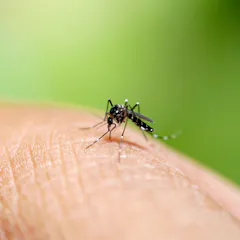
The main symptoms include fever, joint pain and joint swelling. Here’s what else to know.
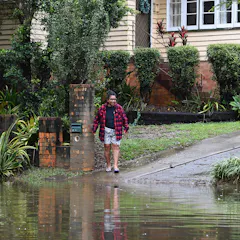
Flood waters boost mosquito numbers. Disease outbreaks don’t always follow but it’s important to remove stagnant water from your property to reduce the disease risk.

Health authorities in Victoria and NSW are warning of an increased risk of potentially life threatening mosquito-borne disease. What can you do to protect yourself and your family?
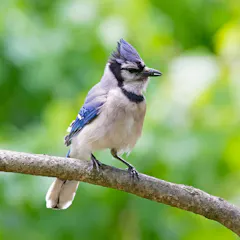
With warm weather in Australia, should we be worried too?
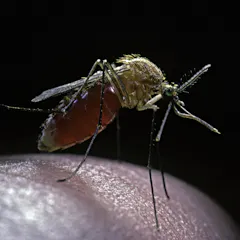
Most people who get infected with West Nile virus have mild symptoms, but in certain cases the illness can become serious or even deadly.

If you’re traveling to a tropical destination to escape the Australian winter, make sure to take steps to protect yourself from mosquito-borne disease such as dengue.

France is ready for the Olympics. It also needs to be ready for this virus.
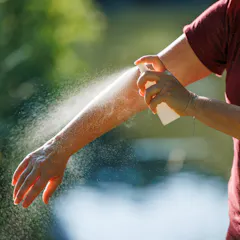
Authorities have issued warnings for people in parts of Western Australia to avoid mosquito bites after Murray Valley encephalitis virus was detected in local mosquitoes. Here’s what you need to know.
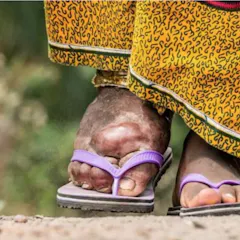
In rural Ghana, only 18% of patients believe elephantiasis is a disease. Some others think it is caused by curses or even rain. Only by understanding local beliefs can it be treated effectively.
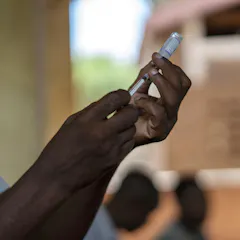
Currently we see more than 600,000 deaths from this mosquito-borne disease each year. This new vaccine – the second approved to treat malaria – could change things.
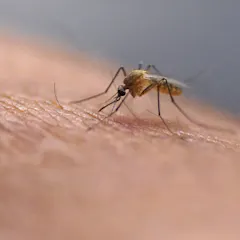
West Nile virus arrived in North America in 1999 and spread across the continent by 2005. Here’s what you need to know about this mosquito-borne pathogen.

France experienced its largest outbreak of ‘native’ dengue this summer. Thanks to climate change, Europe can expect more of the same.
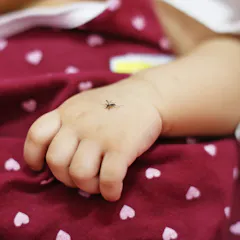
Not all cases of La Crosse disease affect the neurological system, but those that do can be severe and sometimes fatal – especially in children.
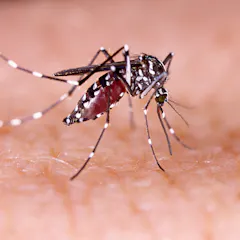
It is estimated that half of world’s population is at risk of being infected by an arbovirus.
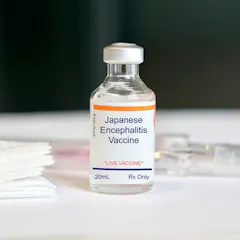
Until now, access to the vaccines has been limited. But that’s expected to change.
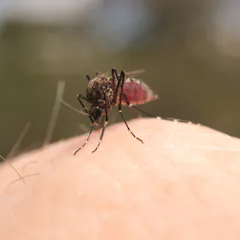
Mosquitoes love water and with floodwater set to remain for some time, expect mosquito numbers to increase. Here’s how to avoid mozzie bites and the diseases they bring.
Top contributors
-

Clinical Associate Professor, School of Medical Science & Sydney Infectious Diseases Institute; Principal Hospital Scientist, University of Sydney
-
Medical Entomologist at the School of Biological Sciences, University of Nairobi
-
Medical Entomologist, The University of Queensland
-
Professorial Research Fellow, James Cook University
-
Senior Lecturer in Parasite Epidemiology, School of Natural and Environmental Sciences, Newcastle University
-
Lecturer (University of Tasmania), University of Tasmania
-
Clinical Research Fellow, Liverpool School of Tropical Medicine
-
Professor of Advanced Technology Transitions, Arizona State University
-
Research Associate, focus on health rights, laws and policies, Simon Fraser University
-
Professor of Medicinal Chemistry, University of Dundee
-
Director Biosecurity Flagship, CSIRO
-
Sternberg Family Distinguished University Professor, Northeastern University
-
Associate Professor of Human Rights, University of Winnipeg
-
Associate Professor, Ecology, Northumbria University, Newcastle
-
Professor of Philosophy and Integrative Biology, The University of Texas at Austin