
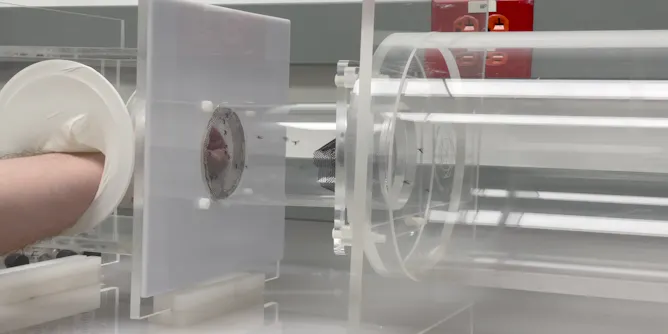
A new study shows what microbes and odors on human skin appeal to different species of mosquitoes.
Articles on Chikungunya
Displaying 1 - 20 of 39 articles
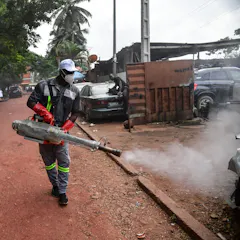
Climate-caused heat and floods help disease-carrying insects spread to new places.
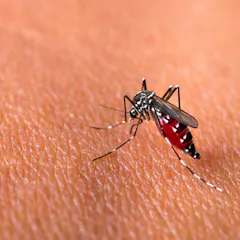
The first discovery of Aedes aegypti eggs in the UK shows how climate change and global travel are helping mosquitoes that spread dengue and Zika expand northwards.
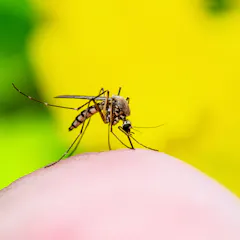
Chikungunya is a viral infection spread by the Aedes mosquito.
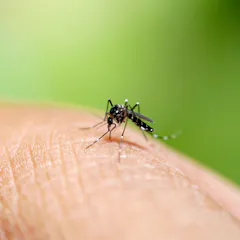
The main symptoms include fever, joint pain and joint swelling. Here’s what else to know.
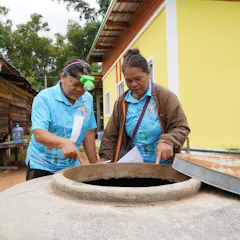
The fight against neglected tropical diseases is a fight for equity, productivity and long-term security. South-east Asia can lead the way.
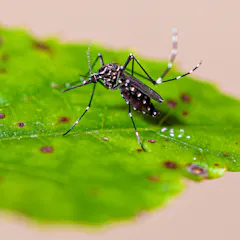
Female mosquitoes don’t want to lay their eggs alone, but they don’t want sites that are too crowded either. Understanding what guides their choice could inform new control strategies.
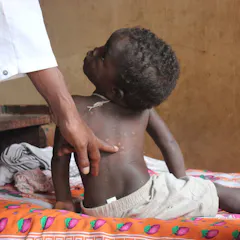
Neglected tropical diseases are often associated with social exclusion as well as physical suffering. One billion people around the world suffer from these diseases.

Authorities have been warned about five virus families that could cause future pandemics. Here are snapshots of the diseases each can cause and why we should be worried.
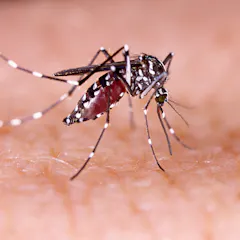
It is estimated that half of world’s population is at risk of being infected by an arbovirus.
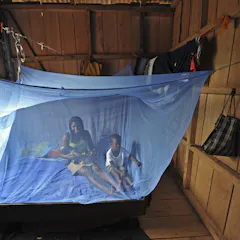
The pandemic coincides with the long rainy season in Kenya. Rain increases mosquito breeding sites, vector density and thus transmission of mosquito-borne diseases.
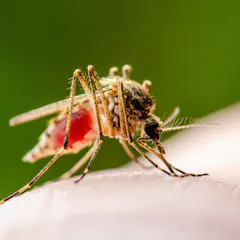
Prolonged rains increase the amount of stagnant water in the environment in which mosquitoes breed. This increases the risk of mosquito-borne diseases.

Nuisance-biting and mosquito-borne disease are ongoing concerns for health authorities. But an effective citizen science program is now showing how all of us can help beat the bite of mozzies.

While no deaths have been reported in Ethiopia so far, outbreaks of the mosquito-borne disease spread rapidly and have severe impacts on public health.
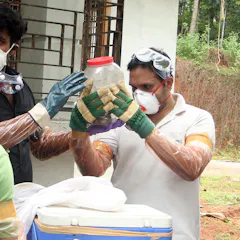
It doesn’t just seem like the world is experiencing more viral infections than before – it’s a reality. And the way humans live today helps viruses thrive.
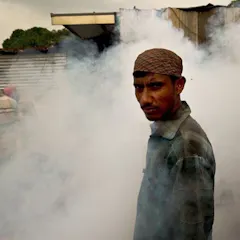
The spread of infectious diseases such as chikungunya is closely linked to urban mobility, yet small Indian cities could play a crucial role in the resilience process.
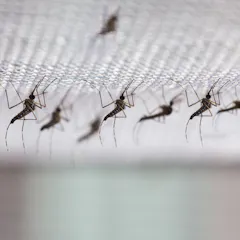
Kenya must establish policies to tackle dengue fever and chikungunya, like it did for malaria.
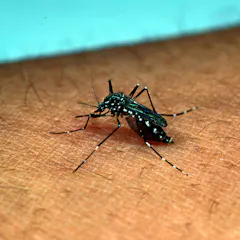
In the future, traps for mosquito that spread the dengue and chikungunya virus could be made from the carbon dioxide in human breathe as well as body odour.
The World Health Organisation has pledged a long-term response to controlling the Zika virus because the threat is far from over
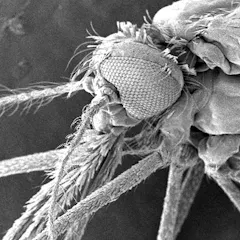
Several sites in the US are releasing bacteria-infected mosquitoes as a way to fight mosquito-borne viruses that threaten people. What’s the science – and how well will it work?
Top contributors
-

Clinical Associate Professor, School of Medical Science & Sydney Infectious Diseases Institute; Principal Hospital Scientist, University of Sydney
-
Medical Entomologist at the School of Biological Sciences, University of Nairobi
-
Dean Students, College of Health, Adelaide University
-
Post-doctoral Research Assistant, University of Glasgow
-
Associate Professor of Biological Sciences, Florida International University
-
Ph.D. Student and Transdisiplinary Biomolecular and Biomedical Sciences Fellow, Florida International University
-
Professor, The University of Queensland
-
Medical Entomologist, The University of Queensland
-
Professor, College of Medicine and Public Health, Flinders University
-
Lecturer (University of Tasmania), University of Tasmania
-
Associate Professor, Molecular Engineering, University of the Sunshine Coast
-
Postdoctoral Research Scientist, University of Glasgow
-
PhD Candidate and Research Assistant, Durham University
-
Professor, Yale University
-
Graduate Student in Biology, Boston University